The Hoist Failure That Was Not the Gear’s Fault — and Why That Makes It Worse
In 2022, a Korean construction company experienced a tooth fracture failure on a material hoist worm gear drive eight months into service at a high-rise building project in Incheon. The investigation established the immediate mechanical cause quickly: the worm shaft material was C45 induction-hardened, not the 40Cr through-hardened specified in the procurement document. The supplier had substituted materials without notification. The C45 shaft at 48 HRC versus the 40Cr at 54 HRC produced an inadequate hardness differential against the tin bronze wheel under the impact loading of 15-20 starts per day under full load.
But the more important finding was the specification itself. The procurement document specified D2 medium duty. The actual load profile — starts under full load multiple times per shift, shock loads when concrete buckets swung into the hoist, occasional overload from jammed bucket catches — was D3 heavy duty at minimum, with impact factors reaching 2.5x in the bucket impact events. The gear was specified and purchased as D2. It operated as D3. The material substitution accelerated the failure, but the correct D2 specification on this hoist would have failed too — just slower.
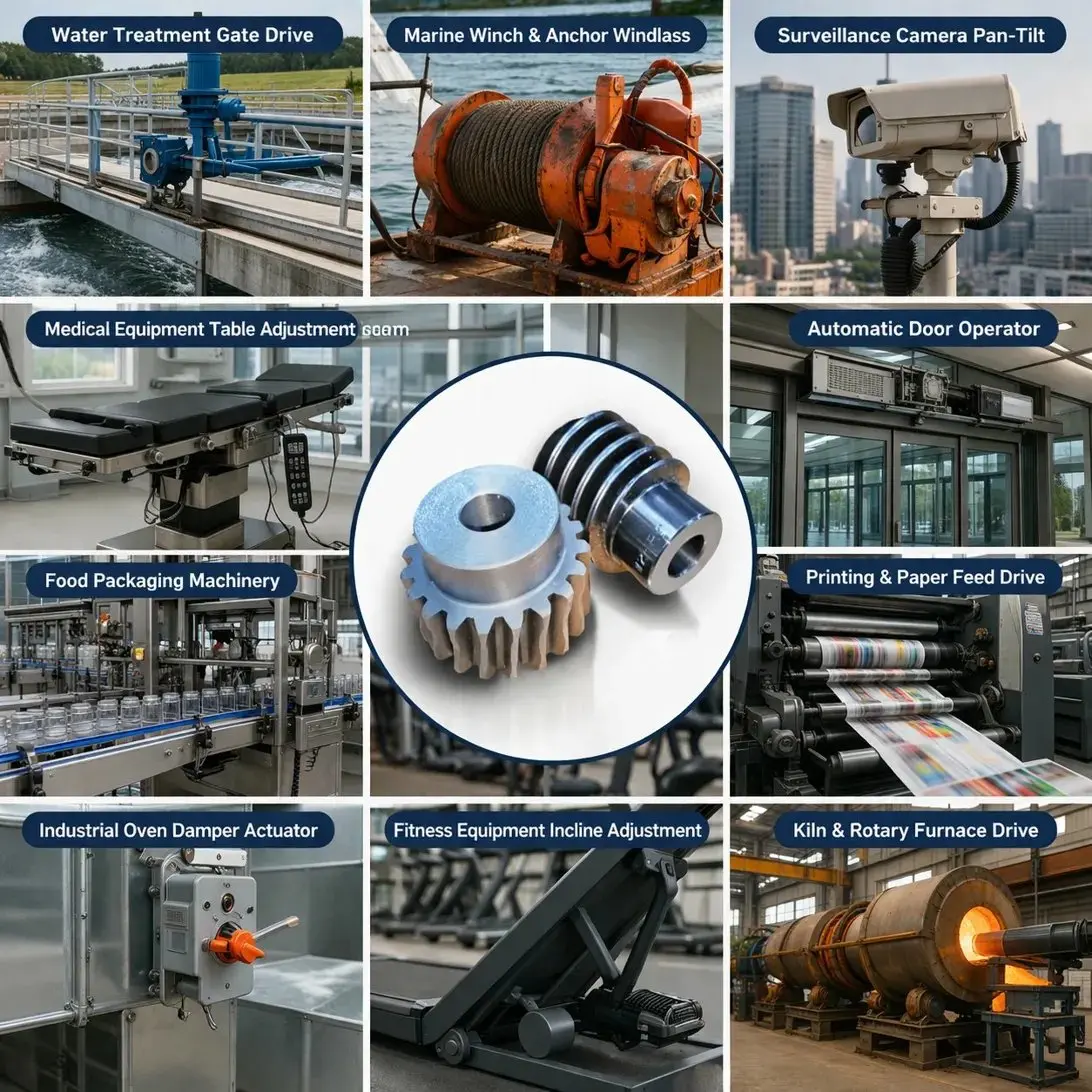
The construction and mining specification challenge: Load profiles in heavy industry are rarely steady. A concrete mixer drive is smooth at 40% rated torque for 20 minutes, then encounters a stone aggregate jam at 2.8x rated torque for 0.3 seconds. A mining conveyor runs at 65% load factor for hours, then experiences sudden load spikes when a rock falls onto the belt. Specifying for the average load is the wrong approach. Specifying for the peak load with appropriate service factor is the only approach that produces reliable service life.
Five Factors That Separate Construction Duty from Industrial Duty
Impact Loading
Construction and mining equipment experiences sudden, high-amplitude torque spikes from material jams, sudden stops under load, and shock from dumping operations. Impact factors of 2.0-3.0x running torque are common. Industrial conveyors typically see 1.25-1.5x. The difference requires a fundamentally different approach to material selection: ZCuAl10Fe3 aluminum-iron bronze (tensile strength 550 MPa) instead of ZCuSn10Pb1 tin bronze (220 MPa) for impact-critical applications.
Extreme Temperature Range
Korean construction sites operate year-round: -15 degrees C in Gangwon province winters, +40 degrees C housing temperature in July on a sun-exposed machine. This 55-degree swing is too wide for standard mineral oil viscosity to maintain adequate film thickness across the range. PAO synthetic oil with VI above 150 is mandatory for equipment that operates in cold winter conditions.
Abrasive Contamination
Concrete dust, coal dust, rock particles, and drilling mud are omnipresent on construction and mining sites. They enter through worn shaft seals, inadequate breather filters, and housing joint failures. A single 50-micrometre rock particle circulating in a worm gear mesh causes abrasive wear on both thread and tooth flanks that is orders of magnitude faster than normal tribological wear.
Duty Cycle Variability
Industrial production drives typically run at consistent load. Construction equipment is inherently variable: a crane hoist is idle for minutes then lifts maximum load, then sits idle again. This intermittent loading means thermal equilibrium is rarely reached, but the gear mesh sees proportionally more high-load cycles than the average load figure suggests.
Documentation Requirements
Construction hoists and lifting equipment in Korea require compliance with the Safety and Health at Work Act and related KCS (Korean Construction Standards). For any gear drive in a hoisting or lifting application with a personnel zone below, documented self-locking verification and material certification are not optional — they are the basis for the machine’s safety certification.
D3 and D4 Duty Class — What the Specification Actually Changes
The jump from D2 medium duty to D3 heavy duty is not just a service factor increase. It changes the required shaft material, the wheel alloy, the heat treatment specification, and the case depth verification requirement. Each change addresses a specific failure mode that D2 specification does not protect against.
| Specification Parameter | D2 Medium Duty | D3 Heavy Duty | D4 Severe Duty |
|---|---|---|---|
| Load factor | 40-70% of rated | 70-90% of rated | 90-100% continuous |
| Maximum impact factor | 1.50 | 2.0 | 3.0 |
| Worm shaft material | 40Cr through-hardened | SCM415 carburized | SCM415 or 42CrMo carburized |
| Shaft surface hardness | 50-56 HRC | 58-62 HRC | 58-62 HRC + case depth verified |
| Case depth at root fillet | N/A — through-hardened | Min. 0.8 mm (verified by Vickers test) | Min. 1.0 mm (documented in cert.) |
| Wheel alloy | ZCuSn10Pb1 tin bronze | ZCuAl10Fe3 al-iron bronze | ZCuAl10Fe3 + GGG40 hub (large module) |
| Wheel tensile strength | ~220 MPa | ~550 MPa | ~550 MPa + hub bending verified |
| Bore fit standard | H7/n6 standard | H7/p6 (interference) | H7/p6 with full interference calculation |
| Seal specification | NBR lip seal, IP54+ | FKM lip seal, IP65 minimum | FKM dual-lip, IP67 minimum |
| Temperature range | 0 to +80 degrees C housing | Mineral or PAO per temp. | PAO synthetic mandatory |
| Self-locking documentation | Standard CMM only | Self-locking calculation provided | Full safety documentation package |
| Korea Ever-Power documentation | Material cert + CMM | Material cert + CMM + case depth record | Full engineering package |
Construction and Mining Applications — Specific Gear Requirements
Concrete Mixer Drum Drive
Continuous rotation, abrasive environment. Concrete penetrates any inadequate seal. Material: D2-D3, 40Cr shaft, ZCuSn10Pb1 or ZCuAl10Fe3 wheel. IP65 minimum. Service factor 1.75 for occasional aggregate jams.
Material Hoist (Personnel Zone Below)
Self-locking mandatory with safety documentation. D3 minimum. SCM415 shaft, single-start worm. Self-locking verified at -10 degrees C (winter operating temperature) with specified oil. Korea Ever-Power provides full self-locking documentation package for KCS compliance.
Mining Ore Conveyor Corner Drive
D3-D4 duty, 70-100% load factor. ZCuAl10Fe3 wheel essential for impact from ore impact loading. IP67 for below-surface mining. Coal dust: filtered breather and positive-pressure housing or sealed-for-life design.
Road Paving and Compaction Equipment
Continuous vibration from engine, compactor, and road surface. Vibration accelerates fretting at housing joints and bore interfaces. Specify interference fit H7/p6 for bore. Check housing joint sealant compatibility with vibration environment.
Tunnel Boring and Drilling Equipment
Below-water-table sealing: IP68 minimum. Temperature stable: drilling equipment generates heat. PAO ISO VG 460 essential. Stainless steel shaft for wet tunneling environments.
Crane Slewing and Positioning
Intermittent duty, high starting torque. D3 specification for slewing ring drive worm gear. Moment load from off-centre crane loads creates combined radial and axial stress at worm shaft. Verify bearing selection for combined loading.
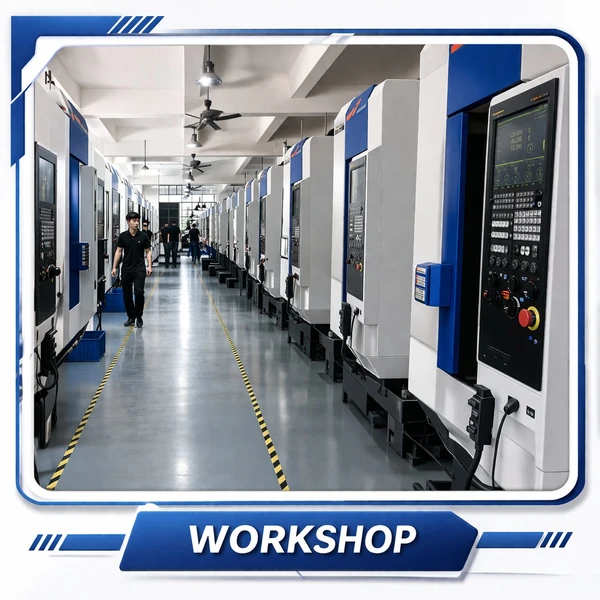
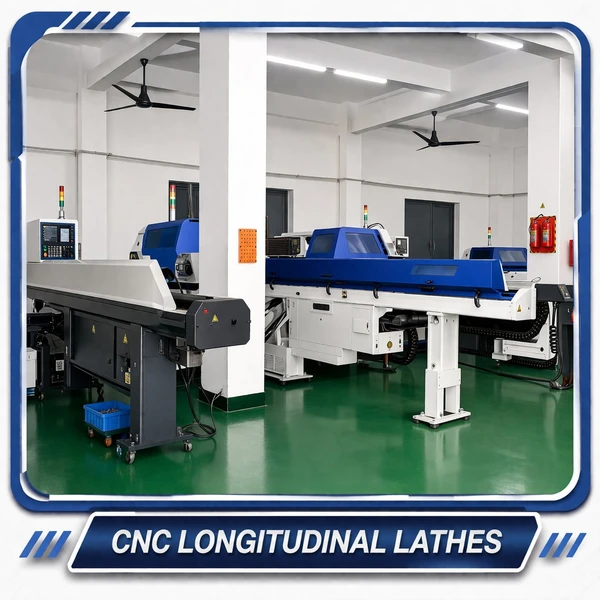
D3 and D4 Gear Set Production at Korea Ever-Power
 |
 |
 |
 |
 |
 |
Heavy Duty Field Engineering
Four Construction and Mining Worm Gear Cases — Specification, Failure, and Resolution
Situation: A high-rise construction project in Incheon used a worm gear material hoist specified to D2 standard (medium duty). The actual load profile included 15-20 starts per load cycle under full load, occasional impact from concrete bucket swings, and operation at -8 degrees C in January. The C45 shaft material failure was the immediate cause, but the D2 specification was inadequate for D3 operating conditions regardless of shaft material.
Resolution: Complete specification upgrade: SCM415 carburized shaft (58-62 HRC, case depth 0.9mm verified at root fillet), ZCuAl10Fe3 wheel (550 MPa tensile vs 220 MPa original), PAO ISO VG 460 (cold-start viscosity adequate at -15 degrees C), IP65 FKM seals, soft-start motor controller to limit start torque to 1.4x rated. Full self-locking documentation package provided for site safety documentation.
Situation: A ready-mix concrete plant was replacing worm gear drives on mixer drum drives every 9-11 months. Inspection of failed drives showed severe abrasive wear — both shaft thread flanks and wheel tooth faces scored with fine parallel scratches in the sliding direction. Oil analysis confirmed silica contamination at 1,200 ppm. The housing shaft seals had been standard NBR — inadequate for continuous concrete slurry exposure.
Resolution: Dual-lip FKM shaft seals with concrete scraper ring at the shaft exit. Housing resealed with silicone gasket compound (compatible with concrete alkalinity). Quarterly seal inspection added to maintenance schedule. Magnetic drain plug added with monthly visual check. Mixer drive gear sets otherwise to D2 specification — the failure cause was contamination, not under-specification of duty class.
Situation: A Gangwon open-cast mine’s ore transfer conveyor corner drives were experiencing two seasonal problems: motor overcurrent at start-up in January (-18 degrees C), and accelerated wear in summer from coal dust ingress through inadequate breathers. Both problems were attributable to lubricant specification: mineral ISO VG 460 (too viscous at -18 degrees C for cold start) and unsealed housings drawing coal dust through the vent.
Resolution: PAO synthetic ISO VG 220 (pour point -40 degrees C, adequate viscosity at -18 degrees C for normal motor starting). Sealed housing with 10-micrometre filtered breathers. FKM shaft seals to replace NBR originals. D3 specification (SCM415 shaft + ZCuAl10Fe3 wheel) for the conveyor shock loading from ore impact.
Situation: Urban tunnel construction under the Han River required worm gear drives on tunnel boring auxiliary equipment operating in a fully saturated soil environment. The drives experienced water ingress within weeks of installation — the standard IP65 specification was inadequate for the actual operating conditions: intermittent immersion in river silt and groundwater.
Resolution: IP68 specification: dual-lip FKM shaft seals with additional labyrinth seal, housing joints sealed with two-component epoxy gasket compound (not anaerobic — anaerobic compounds lose adhesion in prolonged immersion), PAO ISO VG 460 with corrosion inhibitor package. SS316 shaft for all drives in the saturated zone. Quarterly housing inspection and seal replacement scheduled.
Korea Ever-Power
D3 and D4 Heavy Duty Worm Gear Products


Heavy Duty FAQ
Construction and Mining Worm Gear — Questions from Site Engineers and Equipment Managers
Specify Your Heavy Duty Worm Gear Drive
Provide application type, duty class (D3 or D4), ambient temperature range, IP requirement, shock load conditions, and documentation requirements (KCS, CE, or standard). Korea Ever-Power returns a confirmed D3/D4 specification with case depth documentation and self-locking calculation within one working day.
Editor: Cxm