Det slidte udstyr som et diagnostisk instrument
Et defekt bronzesnekkehjul er ikke blot en beskadiget komponent, der skal udskiftes. Det er en detaljeret registrering af alt, hvad der er sket ved kontaktfladen i løbet af dets levetid – smørekvaliteten, belastningshistorikken, tilstedeværelsen eller fraværet af kontaminering, justeringsnøjagtigheden og den temperatur, det oplevede. At kassere det defekte gear, før man aflæser dets overflade, er at smide det diagnostiske bevis væk, der fortæller dig, hvorfor det svigtede, og hvad der vil ske med udskiftningen.
Forskellen mellem en vedligeholdelsesingeniør, der aflæser fejlfladen, og en, der ikke gør, er forskellen mellem et snekkegear, der repareres én gang og fungerer pålideligt i årevis, versus et, der modtager et nyt gear hver sjette måned, hvor den samme fejl gentager sig til tiden. Denne vejledning dækker de syv fejltilstande, der tegner sig for langt de fleste servicefejl på snekkegear, med den visuelle overfladesignatur af hver enkelt, dens grundlæggende årsag og den korrigerende handling, der forhindrer den i at gentage sig.
Udskiftning af Korea Ever-Power-forsyninger snekkegearsæt med de materiale- og specifikationsanbefalinger, der matcher diagnosen af fejltilstand — ikke en generisk katalogudskiftning, der gentager den samme fejl.
De syv fejltilstande — med overfladesignaturer
Fejltilstand 1 — Slidskade
Visuel signatur på tandoverfladen: Glat, ensartet mat overflade på tværs af tandfladen. Ingen diskrete huller eller rifter. Tandprofilen forkortes gradvist — tandspidserne er let afrundede, og tandrodsfileten kan i alvorlige tilfælde knap være synlig. Under forstørrelse (10×–20× lup) er fine parallelle ridser synlige i glideretningen, ligesom en børstet metalfinish.
Grundårsag: Slibepartikler i smøremidlet skærer mikroskopiske riller i bronzetandoverfladen ved hver indgrebscyklus. Partiklerne stammer typisk fra: (1) indkøringsaffald fra de første driftstimer, som aldrig blev fjernet ved et olieskift; (2) ekstern forurening fra en defekt huspakning; (3) metalliske partikler fra et leje, der begyndte at svigte, før gearet blev sat i; (4) slidprodukter fra en tidligere gearudskiftning, som ikke blev helt skyllet ud af huset. Partiklerne er for små til at se uden forstørrelse, men deres tilstedeværelse bekræftes af den retningsbestemte ridsetekstur på tandoverfladen.
Korrigerende handling: Udskift det defekte hjul, og inspicer snekkegevindets overflade for lignende ridseskader. Tøm huset helt, skyl med rent opløsningsmiddel, og inspicer alle husets tætninger og udluftningspropper. Udskift alle tætninger på huset. Genopfyld med frisk olie, som er bekræftet fri for kontaminering. Etabler en olieskiftplan – mindst efter 50-100 timer (indkøringsskift) og derefter med intervaller på højst 2.000 timer eller 12 måneder. Hvis der identificeres lejeslid som partikelkilde, skal lejerne udskiftes, før det nye gearsæt monteres.
Fejltilstand 2 — Adhæsivt slid (afskrabninger/rivning)
Visuel signatur: Ru, iturevet eller udtværet overfladetekstur. Områder med materialeoverførsel — bronzemateriale trukket fra tanden og aflejret i tilstødende zoner, eller stålmateriale fra snekken overført til tandens bronzeoverflade. Kontaktzonen har et ru, mat udseende med retningsbestemte rivemærker. I alvorlige tilfælde har tandoverfladerne synlige furer eller kamme fra materialeoverførsel. Et karakteristisk træk: Snekkegevindets overflade viser ofte bronzeudtværing i den tilsvarende kontaktzone.
Grundårsag: Smøremiddelfilmen ved netkontakten er brudt ned, hvilket muliggør metal-mod-metal-kontakt mellem bronzetanden og det hærdede stålsnekkegevind. Kontakttrykket og temperaturen ved metalkontaktpunktet svejser kortvarigt de to overflader sammen; efterhånden som glidningen fortsætter, river bindingen og trækker materiale fra den ene overflade til den anden. De mest almindelige årsager til filmnedbrydning i snekkedrev er: (1) vedvarende drift over drevets termiske klassificering, hvilket får olietemperaturen til at stige over smøremidlets viskositetsstabilitetsgrænse; (2) brug af EP-gearolie, hvis svovladditiver kemisk har angrebet bronzetandens overflade, hvilket reducerer dens hårdhed og øger dens reaktivitet; (3) kørsel af drevet uden smøring efter en tætningsfejl eller smøremiddeltab; (4) start under tung belastning, før smøremidlet har nået driftstemperaturen under kolde forhold.
Korrigerende handling: Udskift både snekkeakslen (som også vil vise klæbeskader i kontaktzonen) og snekkehjulet — klæbende beskadigede snekkegevindoverflader beskadiger udskiftningshjulene i samme grad som originalen. Bekræft, at udskiftningssmøremidlet er fri for svovl-EP-additiver. Hvis drevet kørte over den termiske kapacitet, skal du tilføje tvungen køling (ventilator eller oliekøler) eller reducere applikationsbelastningen. Hvis koldstartsadhæsion er årsagen, skal du specificere en oliekvalitet med lavere viskositet til vinterdrift eller installere et forvarmeelement i huset til kolde klimaer.
Fejltilstand 3 — Grubetæring og afskalning (overfladekontaktudmattelse)
Visuel signatur: Små, omtrent halvkugleformede kratere på tandkontaktfladen, koncentreret i den midterste tredjedel af tandhøjden (pitchzonen), hvor kontaktspændingen er højest. Tidlig stadie af grubetæring viser et par isolerede huller med glatte, afrundede kanter - dette er den indledende grubetæringsfase. Destruktiv grubetæring (afskalning) viser større, uregelmæssige hulrum med skarpe kanter og løse fragmenter af tandmateriale, der er delvist løsnet. Den omgivende overflade mellem hullerne kan være glat og normalt udseende i den tidlige fase.
Grundårsag: Cyklisk kontaktspænding på tandoverfladen overstiger bronzematerialets udmattelsesgrænse. Hver gang en tand kommer ind i og forlader kontaktzonen, cykler det underliggende spændingsfelt fra nul til en topværdi og tilbage. Over millioner af cyklusser starter en revne ved en underliggende spændingskoncentration - en indeslutning, en pore i den støbte bronze eller et bearbejdningsmærke, der ikke blev fjernet under indkøring. Revnen forplanter sig til overfladen, og der dannes en grop, når revnen når overfladen på to flader, og det indesluttede volumen splintrer ud. De primære årsager til for tidlig gropdannelse er: vedvarende drift over modulets nominelle drejningsmoment, punktkontaktnet på grund af et hjul, der er skåret med den forkerte hobtype (ingen linjekontakt) og for høj driftshastighed, der forhindrer smøremiddelfilmen i at dannes fuldstændigt.
Korrigerende handling: Udskift hjulet, og inspicer snekkegevindet for matchende udmattelsesmærker. Verificer det faktiske driftsmoment i forhold til det nominelle kontinuerlige moment for det eksisterende modul — hvis drevet er konstant overbelastet, skal modulet øges. Verificer, at udskiftningshjulet blev skåret med en snekkeprofil-hob (bekræfter linjekontakt) ved at inspicere kontaktmønsteret under markeringsmidlet ved samling. Hvis overbelastningen er lejlighedsvis (opstartsmomentstigninger), skal du kontrollere, om en softstart-drevcontroller kan reducere spidsbelastningen.
Fejltilstand 4 — Korrosivt slid
Visuel signatur: Ru, ætset overfladetekstur på tandfladen — ikke det glatte, polerede udseende af mekanisk slibende slid, men en kemisk angrebet overflade med et kornet, mat udseende og mulig misfarvning (grønlig eller mørkebrun for bronze, rustfarvet for stål). Angrebet kan være koncentreret i sprækkeområder — tandroden, boringens notgang eller enhver overfladefordybning, hvor ætsende væske ophobes. I alvorlige tilfælde mangler materiale synligt fra korroderede områder, der er opløst i stedet for slidt væk mekanisk.
Grundårsag: Kemisk angreb på tandoverfladen, enten fra: (1) svovl- eller klor-EP-additiver i gearolien, der reagerer med kobber- og tinindholdet i bronzehjulet - dette er den mest almindelige korrosionsmekanisme i bronzesnekkehjul og kan fuldstændig forebygges ved valg af smøremiddel; (2) vandforurening af gearolien fra en defekt pakning i et fugtigt eller vådt miljø - vand bærer opløst ilt, der forårsager direkte metalkorrosion; (3) sure eller alkaliske procesvæsker, der kommer i kontakt med gearet i fødevare-, kemikalie- eller landbrugsudstyr. EP-olies korrosionsangreb på bronze er særligt snigende, fordi det udvikler sig langsomt og usynligt - tandoverfladen bliver gradvist ru, slibende slid accelererer, og drevet svigter til sidst på grund af det, der ser ud til at være standard slibende slid, men som stammer fra kemisk blødgøring af tandoverfladen.
Korrigerende handling: Udskift hjulet, og skift straks til et smøremiddel, der er bekræftet fri for svovl- og klor-EP-tilsætningsstoffer. I våde eller nedspulede miljøer skal alle hustætninger udskiftes, og det skal bekræftes, at husets IP-klassificering er passende for miljøet. For kontakt med procesvæsker skal der specificeres SS316 snekkegearkomponenter og fødevaregodkendt smøremiddel. Når det nye drev er installeret, skal en første olieanalyse planlægges efter 500 driftstimer for at bekræfte, at der ikke forekommer ætsende kontaminering med det nye smøremiddel.
Fejltilstand 5 — Tandbrud
Visuel signatur: En eller flere tænder er brækket af, hvilket efterlader en ren brudflade ved tandroden. Brudfladekarakteristikken identificerer belastningsmekanismen: en mat, fibrøs brudflade med synlig deformation i kanterne indikerer duktil overbelastning - tanden bøjede og revnede under en enkelt ekstrem belastningshændelse. En lys, kornet, krystallinsk brudflade uden deformation indikerer sprødt brud - tanden adskilte sig rent uden at bøjning, typisk i et materiale, der er blevet sprødt på grund af forkert varmebehandling eller drift ved ekstremt lav temperatur. Strandmærker, der udstråler fra et startpunkt ved tandrodsfileten, indikerer udmattelsesbrud - tanden revnede progressivt over mange belastningscyklusser før det endelige brud.
Grundårsag: For tandbrud i bronzehjul: duktil overbelastning fra en pludselig stødbelastning, der overstiger tandens ultimative styrke — maskinblokering, stød fra forhindring eller startchok. Udmattelsesbrud i bronze indikerer, at tandrodsspændingen har ligget i en cyklisk cykling over materialets udmattelsesgrænse, typisk fra et lille kontaktjusteringsproblem, der koncentrerer belastningen ved tandroden snarere end tandfladen. For gevindbrud på hærdet stålsnekkeaksel: sprødbrud ved induktionshærdningskernegrænsen under stødbelastning (skift til gennemhærdet 40Cr-materiale) eller udmattelsesbrud fra gentagen overbelastningscykling.
Korrigerende handling: Udskift begge komponenter — et tandfragment fra et brækket hjul vil typisk beskadige snekkegevindet, før det stødes ud, og beskadigelsen af snekkegevindet vil hurtigt ødelægge udskiftningshjulet. Ved duktil overbelastning: Identificér og fjern overbelastningskilden — tilføj momentbegrænsende kobling, reducer slagbelastningen, eller opskaler modulet. Ved udmattelsesbrud fra justering: Verificér snekkeakslens aksiale slør, kontroller slid på husets lejer, og bekræft, at kontaktmønsteret er centreret på tandfladen. Ved brud på sprødt stålaksel i slagapplikationer: Skift til 40Cr gennemhærdet snekkemateriale — se afsnittet om landbrugsmaskiner for dette specifikke fejlmønster.
Fejltilstand 6 — Forskydning og kantbelastning
Visuel signatur: Kontaktmønsteret er forskudt til den ene side af tandfladen eller koncentreret ved tandspidsen eller roden i stedet for centreret omkring midterfladen. Den slidte zone strækker sig ikke over hele det teoretiske kontaktområde - den ene kant af tandfladen viser kraftigt slid eller grubetæring, mens den modsatte kant næsten ikke berøres. Ved alvorlig skævhed producerer kantbelastning en linje af kraftigt slidt eller grubet materiale, der løber parallelt med tandbredden i den ene ende af fladen, mens den modsatte ende slet ikke viser nogen kontaktmærker.
Grundårsag: Centerafstanden eller vinkeljusteringen mellem snekke- og hjulakslerne er ikke korrekt. De mest almindelige årsager i felten er: slidte huslejer, der tillader snekkeakslen at afbøje under belastning (hvilket øger centerafstanden dynamisk), et hus, der er blevet beskadiget og derefter repareret med forkert lejeboringsposition, korrosion af lejesæderne, der har forskudt akslens centerlinjer en smule, eller en installationsfejl, hvor huset blev samlet igen med forkerte shims eller lejeforspændingsindstillinger. Bemærk, at en lille forskydning af kontaktmønsteret (10-20% excentrisk) er normalt og ikke indikerer et problem - kun kontakt, der er helt fraværende fra den ene side af tandfladen, berettiger til undersøgelse.
Korrigerende handling: Udskift det slidte tandhjul, og udfør en kontrol af kontaktmønsteret med markeringsmiddel ved montering, inden huset monteres endeligt. Juster centerafstanden og snekkeakslens aksiale position, indtil kontaktmønsteret dækker mindst 50-60% af tandfladebredden, centreret på tandfladen. Udskift alle huslejer, der viser målbart slør. Hvis husets lejeboringer er blevet beskadiget eller korroderet uopretteligt, skal huset udskiftes - montering af et nyt tandhjul i et deformeret hus vil forårsage den samme kantbelastningsfejl inden for få måneder.
Fejltilstand 7 — Pakningsfejl og tab af smøremiddel
Visuel signatur: Selve gearet kan udvise en af ovenstående fejltilstande - især klæbende slid fra tørløb eller korrosionsangreb fra vandindtrængning. Den kendetegnende diagnose er husets og akslens tilstand: oliepletter på husets ydre overflade omkring udgangsakslen eller indgangsakseltætningerne, hvid emulgeret olie, hvis der er trængt vand ind, eller et hus, der er næsten helt tørt for olie, når det åbnes, på trods af at det blev fyldt ved sidste serviceinterval. Gearfejlen er sekundær - den primære fejl er i tætningssystemet.
Grundårsag: Fejl i læbetætningen på snekkeakslen eller hjulakslen er den hyppigste tætningsfejltilstand i snekkegeardrev. Læbetætningerne svigter på grund af: slid på akseloverfladen i tætningens kontaktzone (hvilket skaber en omkredsrille, som den nye tætning ikke kan tætne, selvom den gamle tætning udskiftes), monteringsskader på tætninglæben under montering, olietemperatur over tætningens nominelle grænse, der forårsager nedbrydning af gummiblandingen, eller akselkast, der får tætninglæben til at miste kontakten under hver omdrejning. Blokerede udluftningspropper i huset forårsager intern trykopbygning, der tvinger smøremiddel forbi tætningerne hurtigere end normalt slid på læbetætningen ville tillade - kontroller altid udluftningsproppens tilstand, når du undersøger tætningslækage.
Korrigerende handling: Undersøg akseloverfladen i tætningens kontaktzone, før du monterer den nye tætning – hvis en synlig rille er slidt ind i akslen af den gamle tætning, vil den nye tætning ikke tætne korrekt på samme akselposition. Installer enten den nye tætning i en lidt anderledes aksial position ved hjælp af en tætningsmuffe, eller udskift akselsektionen. Udskift alle tætninger under gearudskiftningsproceduren – forsøg ikke at genmontere de gamle tætninger, selvom de ser intakte ud. Kontroller udluftningsproppens tilstand, og udskift den, hvis den er blokeret. Bekræft, at den nye olies viskositetsgrad er inden for tætningens nominelle temperaturområde.
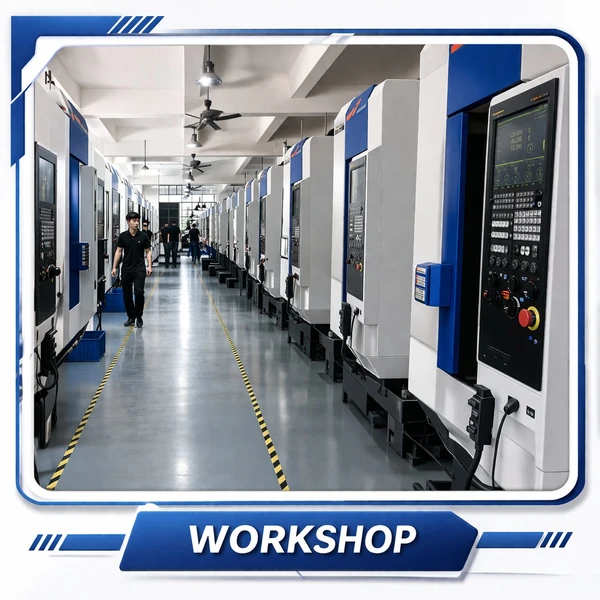
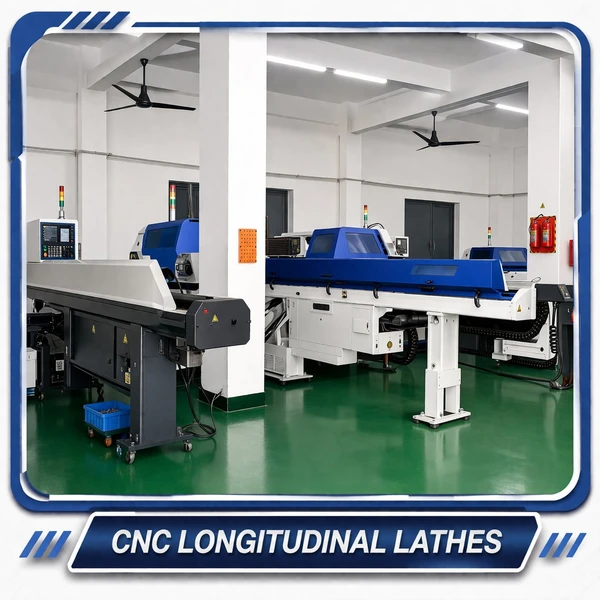
Produktion hos Korea Ever-Power
Tabel til hurtig diagnose — Fra observerbart symptom til roden på 30 sekunder
| Observerbart symptom |
Mest sandsynlige fejltilstand |
Første korrigerende handling |
| Ensartet, glat afslibning af tandfladen, fine, retningsbestemte ridser |
Slidpåvirkning (partikler i olie) |
Fuld olieaftapning og skylning; udskift pakninger; bekræft olieskiftplanen |
| Iturevet, udtværet overflade; bronze overført til ormetråd |
Slid/afskrabninger på klæbemidlet |
Udskift begge komponenter; skift til ikke-EP-bronzekompatibel olie; kontroller den termiske klassificering |
| Små halvkugleformede kratere i midten af tandhøjden |
Kontaktudmattelsesgruber |
Verificér modulet i forhold til det faktiske driftsmoment; bekræft ledningskontakt med markeringsmiddeltest |
| Ru kornet overflade; grøn eller mørk misfarvning; ætset udseende |
Korrosivt slid (indtrængning af EP-olie eller vand) |
Bekræft, at oliemærket siger, at det er bronzekompatibelt; udskift alle pakninger; hvis det er udendørs, skal du kontrollere husets IP-klassificering |
| En eller flere tænder er knækket |
Tandbrud (overbelastning eller træthed) |
Aflæs brudoverfladen for duktilt/skørt/udmattelseskarakter; identificer og eliminer overbelastningskilden. |
| Kontaktslid koncentreret kun på den ene side af tandfladen |
Forskydning / kantbelastning |
Kontaktmønstertest ved montering; kontroller lejerhuset for slid og udskiftning |
| Kør gradvist højere; oliestanden falder mellem serviceeftersyn |
Pakningsfejl og tab af smøremiddel |
Inspicer akseltætningens kontaktzone; udskift alle tætninger; kontroller udluftningsskruen; kontroller akselkast |
| Normalt slid, men hurtigere udskiftningsinterval sammenlignet med andre identiske maskiner |
Systematisk overbelastning på dette drev; eller forskel i smøremiddelspecifikationen |
Sammenlign den faktiske belastning på denne maskine med de andre; bekræft at smøremiddelmærke og -kvalitet er ensartet |
| Hvid, emulgeret olie fundet på husets afløb |
Vandindtrængning gennem defekt tætning eller kondens fra blokeret udluftning |
Udskift alle pakninger; rens udluftningsproppen; identificer vandkilden før påfyldning med ren olie |
Tjekliste for forebyggende vedligeholdelse — Hvad skal kontrolleres ved hvert serviceinterval
Snekkegear i kontinuerlig industriel drift kræver periodisk inspektion og vedligeholdelse for at nå deres designlevetid. Tjeklisten nedenfor dækker tre inspektionsintervaller: daglig (visuel observation), månedlig (driftskontrol) og årlig (intern inspektion).
Daglig/pr. vagt visuel inspektion
◆ Kontroller husets yderside for olieudsivning omkring akseltætningerne
◆ Kontroller oliestanden eller oliepinden — niveauet skal være inden for det markerede område
◆ Lyt efter ændringer i støjens karakter — nyt tonalt indhold eller øget amplitude indikerer udvikling af tandskade
◆ Kontroller husets temperatur manuelt — ubehagelig varme (over ca. 60 °C) indikerer smøreproblem eller overbelastning
◆ Kontroller, at udluftningsproppen er fri – indsæt en nål, hvis du er i tvivl.
Månedlig driftskontrol
◆ Tøm en lille olieprøve af — tjek farven (mørkebrun eller sort = overophedet, mælkehvid = vand), lugten (sur eller brændende) og partikelindholdet (kør en ren hvid klud hen over aftapningsstudsen)
◆ Kontroller udgangsakslens slør — marker en position og mål vinkelsløret med en måleur ved en kendt radius
◆ Kontroller udgangsakslens radiale kast — indikerer lejeslid
◆ Bekræft, at motorens strømforbrug er inden for det normale område — stigende strøm ved samme belastning indikerer stigende friktion fra gearslid eller olieforringelse.
Årlig intern inspektion
◆ Tøm og inspicer olie — metalliske partikler evalueres (bronze eller jern), partikelmængden estimeres i forhold til foregående år.
◆ Åbn inspektionsdækslet (hvis det findes) eller mål udgangsakslens drejningsmoment i forhold til basislinjen for at estimere gearets slidtilstand
◆ Udskift alle læbetætninger og udluftningsprop — behandl som planlagte udskiftningsdele, ikke dele til inspektion og genbrug
◆ Kontroller lejets endeslør og radialslør — udskift lejer, der nærmer sig grænserne
◆ Genopfyld med frisk olie af bekræftet bronzekompatibel kvalitet — noter oliemærke og kvalitet i vedligeholdelsesjournalen

Til komplette lukkede drivenheder, hvor gearkassen og huset udskiftes sammen som en vedligeholdelsesenhed, fabriksfyldt snekkegearreduktionsgear med bronzekompatibelt smøremiddel og alle pakninger er korrekt installeret. Det fulde udvalg af udskiftningsprodukter komponenter til snekkegear i materialer, der matcher fejldiagnosen, er på lager og fremstillet på bestilling fra Korea Ever-Power.
Ofte stillede spørgsmål
Mit snekkedrev laver en højfrekvent tone ved en bestemt motorhastighed. Hvad indikerer det?
En tonal lyd ved en bestemt hastighed indikerer en resonans mellem tandhjulets indgrebsfrekvens (hjulets omdrejningstal × tandantal = indgrebsfrekvens i Hz) og en strukturel resonans i huset, akslen eller maskinstellet. Dette er ikke primært en indikation af tandhjulsfejl - det er et dynamisk problem. Tandhjulets tænder er sandsynligvis i normal stand. For at bekræfte: Kontroller, om tonen forsvinder, hvis hastigheden ændres en smule (±5-10%); hvis ja, er det resonans. Den korrigerende handling er ikke at udskifte tandhjulene, men at afstemme resonansen - tilføj masse til huset, skift lejeforspænding, tilføj vibrationsdæmpende ophæng, eller betjen et lidt andet hastighedspunkt. Hvis tonen er til stede ved alle hastigheder og ledsages af øget motorstrøm og højere hustemperatur, er det en tandhjulsfejl, ikke resonans.
Hvordan ved jeg, om min olie rent faktisk er bronzekompatibel? Etiketten nævner ikke bronze.
Kontakt smøremiddelleverandøren med et specifikt spørgsmål: "Indeholder denne olie svovlbaserede eller klorbaserede ekstremtrykstilsætningsstoffer (EP)?" Et ja-svar betyder, at olien ikke er egnet til snekkehjul af bronze. Et nej-svar eller "askefri EP"-tilsætningsstoffer betyder, at den sandsynligvis er kompatibel. Se også efter etiketter, der angiver "egnet til brug med kobberlegeringer", "kompatibel med gulmetal" eller "ikke-ætsende over for bronze". Industrielle gearolier, der er specielt formuleret til snekkegearapplikationer (markedsført som "snekkegearolie" i stedet for "EP-gearolie"), er næsten altid bronzekompatible - snekkegearapplikationen er defineret af bronzehjulskravet, og smøremiddelleverandører ved dette. Hvis du er i tvivl, så spørg os - vi specificerer smøremiddelkvaliteter med hvert tilbud på snekkegearsæt til vores standardapplikationer og vil bekræfte kompatibiliteten for dit specifikke mærke.
Det samme snekkehjul går i stykker hver 8. måned, men snekkeaksler fra samme parti holder meget længere. Hvad sker der?
8-måneders fejlintervallet fortæller dig, at fejlen er systematisk – ikke tilfældig komponentvariation. Systematiske fejl på hjulet med akseloverlevelse betyder, at hjulet er slidelementet (hvilket er designet i et korrekt specificeret drev), og slidhastigheden er omtrent korrekt for driftsbelastningen. Spørgsmålet er, om 8 måneder er den forventede levetid for din belastning og smøreforhold, eller om den bør være længere. Beregn kontaktspændingen på hjulet ved dit faktiske driftsmoment ved hjælp af Hertz-standardkontaktformlen, og sammenlign den med materialets udmattelsesgrænse. Hvis den beregnede spænding er over 80% af udmattelsesgrænsen, kører drevet med en høj andel af sin kapacitet, og 8-måneders intervallet kan være tæt på korrekt. Hvis spændingen er under 50% af udmattelsesgrænsen, og 8 måneder stadig er intervallet, er der et problem med oliekvaliteten eller driftsforholdene, der accelererer slid ud over den mekaniske forudsigelse.
Efter at have monteret et nyt gearsæt, bemærker jeg, at huset kører varmere end før. Er det normalt?
Et nyt gearsæt kører typisk lidt varmere end et slidt sæt i indkøringsperioden – tandoverfladerne har fuld bearbejdet højde, hvilket genererer lidt mere glidefriktion end slidte tænder, der har en smule reduceret kontaktflade. Efter 50-100 timers indkøring bør temperaturen stabilisere sig på eller under det forrige niveau. Hvis temperaturen efter indkøring er højere end før udskiftningen, er der tre mulige årsager: udskiftningsolien er mere tyktflydende end den forrige olie (kontroller kvaliteter); det nye hjul har en lidt anderledes stigningsdiameter end originalen (bekræft modul- og centerafstand); eller den nye tætning har højere modstand end den gamle slidte tætning (normalt for nye tætninger – dette reduceres en smule i løbet af de første 100 timer). Hvis huset er for varmt til at holde din hånd komfortabelt på i mere end 2 sekunder (ca. 65°C+), skal du undersøge det, før du fortsætter driften – forlænget overtemperatur ødelægger ny olie hurtigere end gammel olie og kan indikere en installationsfejl.
Kan et snekkegear repareres ved at omlappe snekken og hjulet sammen?
Lapning (at køre det parrede par sammen med slibemiddel) kan forbedre kontaktmønsteret for et nyt eller let slidt par ved at polere høje punkter, der forhindrer fuld tandkontakt i at dannes. Det bruges undertiden som en indkøringsprocedure for præcisionssnekkedrev for at forbedre kontaktmønsteret, før drevet tages i brug. Lapning af et stærkt slidt par genopretter dog ikke tandgeometrien - det fjerner materiale fra tænderne, hvilket gør dem tyndere og reducerer belastningskapaciteten yderligere. For et par, der er slidt ud over tolerancen for korrekt kontakt, er udskiftning den korrekte handling, ikke lapning. Lapning er heller ikke passende efter enhver fejltilstand, der involverer klæbende slid, korrosion eller grubetæring - den beskadigede overflademorfologi kan ikke repareres ved lapning, kun fjernes ved at bearbejde en frisk tandoverflade.
Hvor længe skal et korrekt specificeret og smurt snekkegear holde i kontinuerlig industriel drift?
Levetiden afhænger af fire variabler: kontaktspændingsniveau (brøkdel af nominel kapacitet), glidehastighed ved indgrebet, smøremiddelkvalitet og -skiftinterval samt driftscyklus. Et korrekt dimensioneret snekkehjul af tinbronze, der kører ved 50% nominelt kontinuerligt drejningsmoment med kvartalsvise olieskift og bronzekompatibelt smøremiddel, bør holde i mere end 20.000 timer, før tandprofilslid når udskiftningstærsklen - cirka 10 år ved 2.000 timers drift om året. Konsekvent drift ved 80-90% nominelt drejningsmoment med sjældne olieskift forkorter dette til 4.000-8.000 timer. Den vedligeholdelseshandling, der har den største effekt for at forlænge snekkehjulets levetid, er det første olieskift 50-100 timer efter installation eller udskiftning af gearet - fjernelse af indkøringsrester, før det bliver et slibende reservoir i olien. Derefter opretholder planlagte olieskift med intervaller på 2.000 timer eller 12 måneder (alt efter hvad der kommer først) den smøremiddelkvalitet, der adskiller en levetid på 5 år fra en levetid på 10 år for det samme gearsæt.
Identificer din fejltilstand — Få den rigtige udskiftningsspecifikation
Send fotografier af den defekte tandoverflade og en beskrivelse af driftsforholdene. Vores ingeniørteam vil identificere fejltilstanden, bekræfte, om det er et materiale-, smørings- eller installationsproblem, og anbefale den korrekte udskiftningsspecifikation for at forhindre gentagelse. Der er ingen gebyr for fejlanalyse ved forespørgsler, der fører til en udskiftningsordre.