Product Description
Silicone Rubber Plastic Injection Moulding Worm Gear
Product Description
Our service
We provide comprehensive turn-key solution based on our indutry clients needs
which including:product design,prototyping,mold making,mass production,assembly,
packing and shipping service.
| Product Name | Plastic Injection Molding | ||
| Material | PP/PE/PS/ABS/PA/PA with GF/POM | ||
| Color | Customize | ||
| Standard | ISO9001:2015 | ||
| Mould material | P20/718/738/NAK80/S136 | ||
| Mould base | LKM Mould Base | ||
| ription | ODM plastic injection molding | ||
| Plastic Materials: | PS, ABS, PP, PVC, PBT, PC, POM, PA66, PA6, PBT+GF, PC/ABS, PEEK, HDPE, TPU, PET, PPO,…etc. | ||
| Standard: | ISO9001:2015 | ||
| Other materials: | Rubber, Slilconce rubber, LSR,Aluminum, Zinc,Copper…Metal…etc. | ||
| Quality: | RoSH and SGS standard | ||
| Feature: | Non marking and Non flash | ||
| Size: | According to your 2D, 3D Drawing | ||
| Color,Quantity,Unit price,Tooling cost,Tooling size: | To be discussed | ||
| Package: | Standard exported Wooden box packed, Fumigation process(upon required) | ||
| Mold Building Lead Time: | T1, 4-5 weeks, Part measurement report (upon required). | ||
| Export Country: | Europe, Japan, America, Australian, UK, Canada, France, Germany, Italy…etc.: | ||
| Experience: | 13 years experience in plastic injection mold making and plastic prouducts produce. | ||
| To be discussed | In-Mold Decoration, Injection Mould, Plastic Mold, Overmould, 2K Mould, Die-Casting Mould, Thermoset Mold, Stack Mold, Interchangeable Mold,Collapsible Core Mold, Die Sets, Compression Mold, Cold Runner System LSR Mold,…etc. | ||
| Mould Base: | Hasco Standard, European Standard, World Standard | ||
| Mould Base Material: | LKM, FUTA, HASCO, DME,…etc. Or as per Customer’s Requirment. | ||
| Surface Finish: | Texture(MT standard), High gloss polishing | ||
| Cavity/Core Steel: | P20, 2311, H13, 2344, Starvax 420, 236, AdC3, S136, 2312, 2379, 2316, 2083, Nak80, 2767 …etc. | ||
| Hot/ Cold Runner | HUSKY, INCOE, YDDO, HASCO, DME, MoldMaster, Masterflow, Mastip, ZheJiang made brand…etc. | ||
| Mould Life: | 5,000 to 1,000,000 Shots. (According to your working environment.) | ||
| Design & Program Softwares: | CAD, CAM, CAE, Pro-E, UG, Soild works, Moldflow, CATIA….etc. | ||
| Equipments: | High speed CNC, Standard CNC, EDM, Wire Cutting, WEDM, Grinder, Plastic Injection Molding Machine for trial out mold from 50-3000T available. | ||
| Product Type | Plastic Injection | ||
| Our Services | CNC Machining,Plastic Injection,Stamping,Die Casting,Silicone And Rubber,Aluminum Extrusion,Mould Making,etc | ||
| Material | Aluminum,Brass,Stainless Steel,Copper,Plastic,Wood,Silicone,Rubber,,Or as per the customers’ requirements | ||
| Surface Treatment | Anodizing,Sandblasting,Painting,Powder coating,Plating,Silk Printing,Brushing,Polishing,Laser Engraving | ||
| Drawing Format | .jpg/.pdf/.dxf/.dwg/.igs./.stp/x_t. etc | ||
| Service Project | To provide production design, production and technical service, mould development and processing, etc | ||
| Testing Machine | Digital Height Gauge, caliper, Coordinate measuring machine, projection machine, roughness tester, hardness tester and so on | ||
| Packing | Foam, Carton, Wooden boxes, or as per the customer’s requirements | ||
| Payment Terms | T/T,Western Union,Paypal | ||
Quality assurance
We have digital altimeters, calipers, coordinate measuring machines, projectors, roughness
testers, hardness testers, etc. to escort your quality.
We provide you with consumable parts for free.
Mold product details
| Mould Type | China Top Tool Maker MIM injection Multi-Cavity Moulding Mold |
| Design Software | UG, ProE, Auto CAD, Solidworks, etc. |
| Mould Material | 718H, P20, NAK80, S316H, SKD61, etc. |
| Hardness of the steel | 20~60 HRC |
| Mould Base | HASCO, DME, LKM, etc. |
| Runner | Hot runner, Cold runner, as per customers requirement and part structure. |
| Mould Cavity | Single-cavity or Multi-cavit, as per customers requirement and part structure. |
| Ejection Techniques | Pin ejection, sleeve ejection, bar ejection, blade ejection, etc. |
| Gate Type | Edge gate, sub-gate, pin gate, side gate, etc. |
| Mould hot treatment | Quencher, Nitridation, Tempering, etc. |
| Mould Cooling System | Water cooling or Beryllium bronze cooling, etc. |
| Mould Surface | EDM, texture, high gloss polishing |
| Mould Life | >500,000 shots |
| Equipments | High speed CNC, standard CNC, EDM, Wire cutting, Grinder, Lathe, Milling machine, plastic injection machine |
| Raw material of metal injection | 316L,17-4ph,420,440c,al203,zr02,si02,fe,ndfeb,smco5,fe-si,wc-co,fe-2ni,fe-8ni,ti,ti-6al-4v, etc. |
| Lead time | 25~60 days |
Packaging & Shipping
FAQ
1. Q: Why choose CHINAMFG product?
A: We CHINAMFG have our own plant– HangZhou CHINAMFG machinery Co., Ltd, therefore,
we can surely promise the quality of every product and provide you comparable price.
2. Q: Do you provide OEM Service?
A: Yes, we provide OEM Service.
3. Q: Do you provide customized plastic products?
A: Yes. Customers give us drawings and specifications, and we will manufacture accordingly.
4. Q: What is your payment term?
A: We provide kinds of payment terms such as L/C, T/T, Paypal, Escrow, etc.
If there’s anything we can help, please feel free to contact with us.
/* January 22, 2571 19:08:37 */!function(){function s(e,r){var a,o={};try{e&&e.split(“,”).forEach(function(e,t){e&&(a=e.match(/(.*?):(.*)$/))&&1
| Material: | ABS |
|---|---|
| Application: | Medical, Household, Electronics, Automotive, Agricultural |
| Certification: | RoHS, ISO |
| Samples: |
US$ 1/Piece
1 Piece(Min.Order) | Order Sample plastic gear
|
|---|
| Customization: |
Available
| Customized Request |
|---|
.shipping-cost-tm .tm-status-off{background: none;padding:0;color: #1470cc}
|
Shipping Cost:
Estimated freight per unit. |
about shipping cost and estimated delivery time. |
|---|
| Payment Method: |
|
|---|---|
|
Initial Payment Full Payment |
| Currency: | US$ |
|---|
| Return&refunds: | You can apply for a refund up to 30 days after receipt of the products. |
|---|
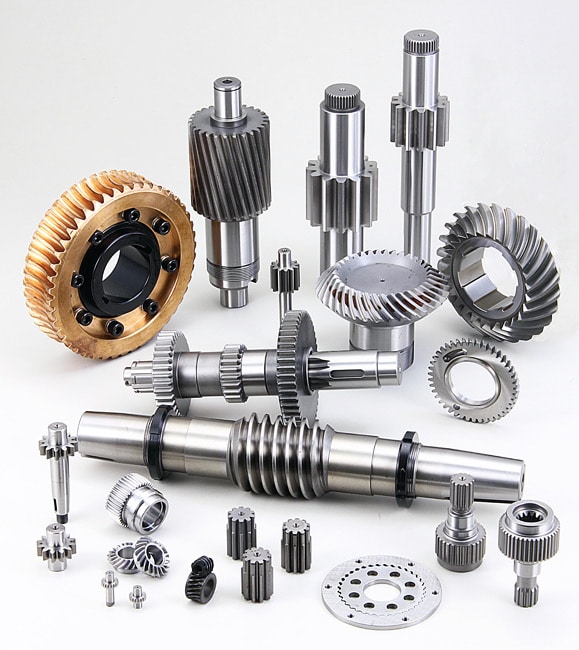
What lubrication is required for a worm gear?
The lubrication requirements for a worm gear system are crucial to ensure smooth operation, reduce friction, prevent wear, and extend the lifespan of the gears. The specific lubrication needed may vary depending on factors such as the application, operating conditions, gear materials, and manufacturer recommendations. Here are some key considerations regarding lubrication for a worm gear:
- Lubricant selection: Choose a lubricant specifically designed for gear applications, taking into account factors such as load, speed, temperature, and environment. Common lubricant types for worm gears include mineral oils, synthetic oils, and greases. Consult the gear manufacturer’s recommendations or industry standards to determine the appropriate lubricant type and viscosity grade.
- Viscosity: The lubricant viscosity is critical for effective lubrication. The viscosity should be selected based on the operating conditions and gear design parameters. Higher loads and slower speeds typically require higher viscosity lubricants to ensure sufficient film thickness and protection. Conversely, lower viscosity lubricants may be suitable for lighter loads and higher speeds to minimize power losses.
- Lubrication method: The lubrication method can vary depending on the gear system design. Some worm gears have oil sumps or reservoirs that allow for oil bath lubrication, where the gears are partially submerged in a lubricant pool. Other systems may require periodic oil application or greasing. Follow the gear manufacturer’s guidelines for the appropriate lubrication method, frequency, and quantity.
- Temperature considerations: Worm gear systems may encounter a wide range of temperatures during operation. Ensure that the selected lubricant can withstand the anticipated temperature extremes without significant degradation or viscosity changes. Extreme temperatures may require specialized high-temperature or low-temperature lubricants to maintain proper lubrication performance.
- Maintenance and monitoring: Regular maintenance and monitoring of the lubrication are essential for optimal gear performance. Periodically inspect the lubricant condition, including its cleanliness, viscosity, and contamination levels. Monitor operating temperatures and perform oil analysis if necessary. Replace the lubricant at recommended intervals or if signs of degradation or contamination are observed.
It’s important to note that the lubrication requirements may vary for different worm gear applications, such as automotive, industrial machinery, or marine systems. Additionally, environmental factors such as dust, moisture, or chemical exposure should be considered when selecting a lubricant and establishing a lubrication maintenance plan.
Always refer to the gear manufacturer’s recommendations and guidelines for the specific lubrication requirements of your worm gear system. Adhering to proper lubrication practices helps ensure smooth and reliable operation, minimizes wear, and maximizes the gear system’s longevity.
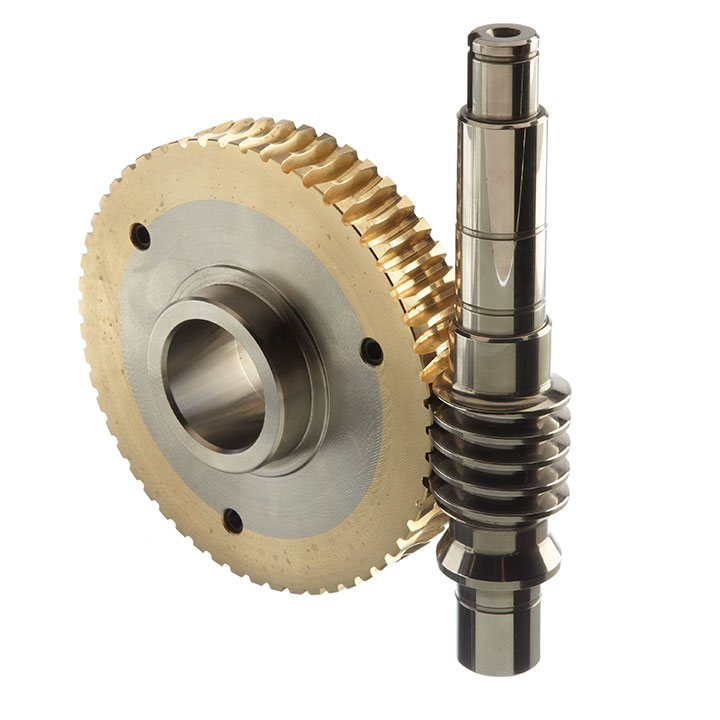
How do you address noise and vibration issues in a worm gear system?
Noise and vibration issues can arise in a worm gear system due to various factors such as misalignment, improper lubrication, gear wear, or resonance. Addressing these issues is important to ensure smooth and quiet operation of the system. Here’s a detailed explanation of how to address noise and vibration issues in a worm gear system:
1. Misalignment correction: Misalignment between the worm and the worm wheel can cause noise and vibration. Ensuring proper alignment of the gears by adjusting their positions and alignment tolerances can help reduce these issues. Precise alignment minimizes tooth contact errors and improves the meshing efficiency, resulting in reduced noise and vibration levels.
2. Lubrication optimization: Inadequate or improper lubrication can lead to increased friction and wear, resulting in noise and vibration. Using the correct lubricant with the appropriate viscosity and additives, and ensuring proper lubrication intervals, can help reduce friction and dampen vibrations. Regular lubricant analysis and replenishment can also prevent excessive wear and maintain optimal performance.
3. Gear inspection and replacement: Wear and damage to the gear teeth can contribute to noise and vibration problems. Regular inspection of the worm gear system allows for early detection of any worn or damaged teeth. Timely replacement of worn gears or damaged components helps maintain the integrity of the gear mesh and reduces noise and vibration levels.
4. Noise reduction measures: Various noise reduction measures can be implemented to minimize noise in a worm gear system. These include using noise-dampening materials or coatings, adding sound insulation or vibration-absorbing pads to the housing, and incorporating noise-reducing features in the gear design, such as profile modifications or helical teeth. These measures help attenuate noise and vibration transmission and improve overall system performance.
5. Resonance mitigation: Resonance, which occurs when the natural frequency of the system matches the excitation frequency, can amplify noise and vibration. To mitigate resonance, design modifications such as changing gear stiffness, altering the system’s natural frequencies, or adding damping elements can be considered. Analytical tools like finite element analysis (FEA) can help identify resonant frequencies and guide the design changes to reduce vibration and noise.
6. Isolation and damping: Isolation and damping techniques can be employed to minimize noise and vibration transmission to the surrounding structures. This can involve using resilient mounts or isolators to separate the gear system from the rest of the equipment or incorporating damping materials or devices within the gear housing to absorb vibrations and reduce noise propagation.
7. Tightening and securing: Loose or improperly tightened components can generate noise and vibration. Ensuring that all fasteners, bearings, and other components are properly tightened and secured eliminates sources of vibration and reduces noise. Regular inspections and maintenance should include checking for loose or worn-out parts and addressing them promptly.
Addressing noise and vibration issues in a worm gear system often requires a systematic approach that considers multiple factors. The specific measures employed may vary depending on the nature of the problem, the operating conditions, and the desired performance objectives. Collaborating with experts in gear design, vibration analysis, or noise control can be beneficial in identifying and implementing effective solutions.
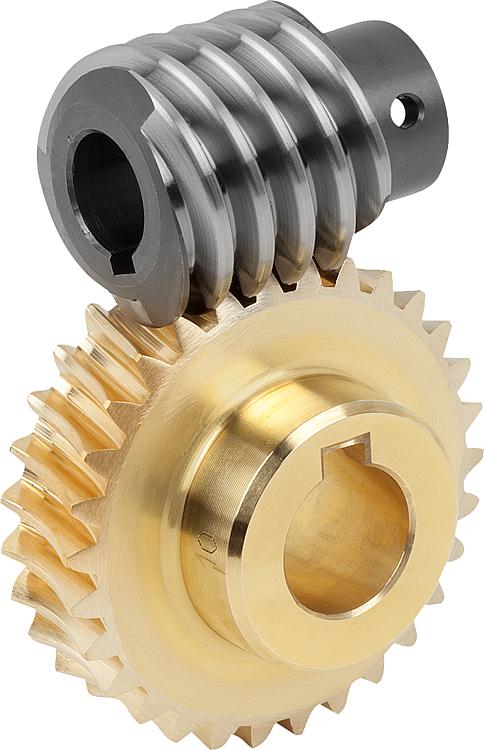
What are the benefits of using a worm gear mechanism?
Using a worm gear mechanism offers several benefits in various applications. Here are some of the advantages:
- High Gear Reduction: Worm gears provide high gear reduction ratios, allowing for significant speed reduction and torque multiplication. This makes them suitable for applications where a small input speed or high torque output is required.
- Compact Design: Worm gears have a compact design, with the worm and worm wheel positioned at right angles to each other. This makes them space-efficient and suitable for applications where size and weight limitations exist.
- Self-Locking: Worm gears exhibit a self-locking characteristic due to the angle of the worm’s helical thread. This means that the worm can drive the worm wheel, but the reverse is not true. The self-locking feature allows worm gears to hold position without additional braking mechanisms, making them suitable for applications that require mechanical holding or braking capabilities.
- Quiet Operation: Worm gear mechanisms are known for their quiet operation. The helical nature of the worm’s thread and the meshing with the worm wheel teeth help reduce noise and vibration, resulting in smoother and quieter performance.
- Shock Load Resistance: Worm gears are capable of handling moderate to high shock loads due to their inherent design. The sliding action between the worm and worm wheel allows the gear system to absorb and distribute sudden impacts and loads effectively.
- Versatile Mounting Options: Worm gears can be mounted in various orientations, including horizontal, vertical, and inclined positions, providing flexibility in design and installation.
- High Torque Transmission: The design of worm gears allows for efficient transmission of high torque. This makes them suitable for applications that require heavy-duty torque requirements, such as lifting mechanisms, conveyor systems, and machine tools.
- Simple Lubrication: Worm gears typically require lubrication to reduce friction and wear. However, compared to some other gear types, worm gears have relatively simple lubrication requirements due to the sliding action between the worm and worm wheel. Proper lubrication helps extend the lifespan of the gear system and maintain its performance.
These benefits make worm gear mechanisms well-suited for a wide range of applications, including automotive systems, industrial machinery, elevators, robotics, and more. However, it’s important to consider the specific requirements and limitations of each application to ensure the optimal use of worm gears.


editor by CX 2024-04-11