Ürün Açıklaması
SWL series skillful manufacture screw reducer:
1.Convenient to adjust
2.Wide range of ratio
3.Easy to install
4.high torque
Application Industries:
Our SWL series screw jacks are widely used in the industries such as metallurgy,mining,hoisting and transportation, electrical power,energy source,constrction and building material,light industry and traffice industry
Ürün Parametreleri
|
Tip |
Model |
Vida diş boyutu |
Maksimum |
Maksimum |
Vuruşsuz ağırlık |
Vida ağırlığı |
|
SWL kriko |
SWL2.5 |
Tr30*6 |
25 |
25 |
7.3 |
0.45 |
|
SWL5 |
Tr40*7 |
50 |
50 |
16.2 |
0.82 |
|
|
SWL10/15 |
Tr58*12 |
100/150 |
99 |
25 |
1.67 |
|
|
SWL20 |
Tr65*12 |
200 |
166 |
36 |
2.15 |
|
|
SWL25 |
Tr90*16 |
250 |
250 |
70.5 |
4.15 |
|
|
SWL35 |
Tr100*18 |
350 |
350 |
87 |
5.20 |
|
|
SWL50 |
Tr120*20 |
500 |
500 |
420 |
7.45 |
|
|
SWL100 |
Tr160*23 |
1000 |
1000 |
1571 |
13.6 |
|
|
SWL120 |
Tr180*25 |
1200 |
1200 |
1350 |
17.3 |
|
1. Kompakt yapı, küçük boyut. Kolay montaj, çeşitli tipler. Tek ünite veya çoklu ünite olarak kullanılabilir. |
||||
|
2. Yüksek güvenilirlik. Uzun hizmet ömrü; Yükselme, alçalma, itme ve devirme fonksiyonlarına sahip. |
||||
|
3. Geniş hareket kabiliyeti. Elektrik motoru ve manuel kuvvetle çalıştırılabilir. |
||||
|
4. Genellikle düşük hız durumlarında kullanılır ve aşağıdaki alanlarda yaygın olarak kullanılır: |
Detaylı Fotoğraflar
PRODUCT SPECIFICATIONS
SWL Series
Swl series worm screw lift is a kind of basic lifting component, which can lift, lower, propel, turn and other functions through the worm drive screw.
Screw jack can be widely used in machinery, metallurgy, construction, chemical, medical, cultural and health, and other industries. Can according to a certain procedure to accurately control the adjustment of the height of ascension or propulsion, can be directly driven by motor or other power, can also be manually. This series of worm screw lift can be self-locking, with the bearing capacity ranging from 2.5 tons to 120 tons, the maximum input speed of 1500 r/min, and the max lifting speed of 2.7 m/min.
Özellikler:
1. Suitable for heavy load, low speed and low frequency;
2. Main components: precision trapezoid screw pair and high precision worm gear pair.
3. Compact design, small volume, light weight, wide drive sources, low noise, easy operation, convenient
maintenance.
4. The trapezoid screw has self-locking function, it can hold up load without braking device when screw stops traveling.
5. The lifting height can be adjusted according to customer requirements.
6. Widely applied in industries such as machinery, metellurgy, construction and hydraulic equipment.
7. Top End: top plate, clevis end, threaded end, plain end, forked head and rod end.
|
1. vida çubuğu |
2. somun cıvata |
3. kapak |
4. İskelet yağ keçesi |
5.Rulman |
|
6. Sonsuz dişli |
7. Yağ doldurma deliği |
8.Vaka |
9. İskelet yağ keçesi |
10. Kapak |
|
11. somun cıvata |
12.Rulman |
13. İskelet yağ keçesi |
14.Rulman |
15.solucan |
|
16.Düz tuş |
17.Rulman |
18. İskelet yağ keçesi |
19. Kapak |
20. Somun cıvata |
Ürün Açıklaması
|
MODEL |
|
SWL2.5 |
SWL5 |
SWL10 |
SWL15 |
SWL20 |
SWL25 |
SWL35 |
|
Maximum lifting force (kN) |
|
25 |
50 |
100 |
150 |
200 |
250 |
350 |
|
Vida diş boyutu |
|
Tr30*6 |
Tr40*7 |
Tr58*12 |
Tr58*12 |
Tr65*12 |
Tr90*16 |
Tr100*20 |
|
Maximum tension (kN) |
|
25 |
50 |
99 |
166 |
250 |
350 |
|
|
Worm gear ratio (mm) |
P |
1/6 |
1/8 |
3/23 |
1/8 |
3/32 |
3/32 |
|
|
|
M |
1/24 |
1/24 |
1/24 |
1/24 |
1/32 |
1/32 |
|
|
Worm non rotating stroke (mm) |
P |
1.0 |
0.875 |
1.565 |
1.56 |
1.5 |
1.875 |
|
|
M |
0.250 |
0.292 |
0.5 |
0.5 |
0.5 |
0.625 |
||
|
Maximum elongation of screw rod under tensile load (mm) |
|
1500 |
2000 |
2500 |
3000 |
3500 |
4000 |
|
|
Maximum lifting height at maximum pressure load (mm) |
The head of the screw rod is not guided |
250 |
385 |
500 |
400 |
490 |
850 |
820 |
|
Lead screw head guide |
400 |
770 |
1000 |
800 |
980 |
1700 |
1640 |
|
|
Worm torque at full load(N.m) |
P |
18 |
39.5 |
119 |
179 |
240 |
366 |
464 |
|
M |
8.86 |
19.8 |
60 |
90 |
122 |
217 |
253 |
|
|
efficiency(%) |
P |
22 |
23 |
20.5 |
|
19.5 |
16 |
18 |
|
M |
11 |
11.5 |
13 |
|
12.8 |
9 |
11 |
|
|
Weight without stroke(kg) |
|
7.3 |
16.2 |
25 |
|
36 |
70.5 |
87 |
|
Weight of screw rod per 100mm(kg) |
|
0.45 |
0.82 |
1.67 |
|
2.15 |
4.15 |
5.20 |
SWL Worm Gear Screw Jack Mounting Dimensions
| Standart veya Standart Dışı: | Standart dışı |
|---|---|
| Başvuru: | Tekstil Makineleri, Konfeksiyon Makineleri, Konveyör Ekipmanları, Elektrikli Otomobiller, Motosiklet, Gıda Makineleri, Denizcilik, Madencilik Ekipmanları, Tarım Makineleri, Otomobil, Güç Aktarımı |
| Giriş Hızı: | 8-360rpm |
| Gear Material: | Low Carbon High Alloy Steel |
| Gearing Arrangement: | Solucan |
| Mounting Position: | Horizontal (Foot Mounted) or Vertical (Flange Moun |
| Örnekler: |
US$ 50/Adet
1 Adet (Minimum Sipariş) | |
|---|
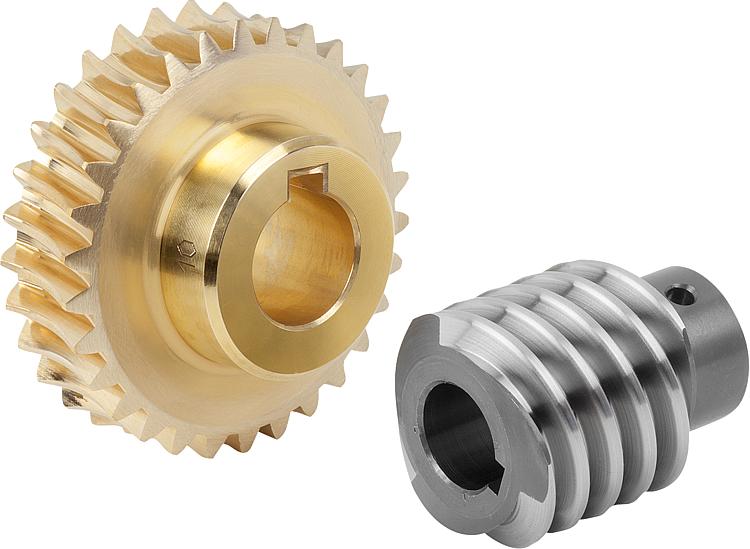
Sonsuz dişli çarklar hassas üretim ekipmanlarında kullanılabilir mi?
Evet, sonsuz dişli çarklar hassas imalat ekipmanlarında kullanılabilir. İşte hassas imalatta kullanımlarına dair detaylı bir açıklama:
1. Hassas Hareket Kontrolü: Sonsuz dişliler, imalat ekipmanlarında hassas hareket kontrolü sağlayabilir. Tasarımları, yüksek dişli oranlarına olanak tanıyarak ince ayarlamalar ve hassas konumlandırma imkanı sunar. Bu özellik, CNC makineleri, robot kolları ve koordinat ölçüm makineleri (CMM'ler) gibi doğru ve tekrarlanabilir hareketin gerekli olduğu uygulamalarda özellikle kullanışlıdır.
2. Yük Tutma ve Geri Sürüşün Önlenmesi: Sonsuz dişli çarklar, kendiliğinden kilitlenme özelliğine sahiptir; bu da ek fren veya kavrama gerektirmeden yükleri yerinde tutabilecekleri anlamına gelir. Bu özellik, pozisyonun sabit tutulmasının kritik olduğu hassas üretim ekipmanlarında avantajlıdır. Kendiliğinden kilitlenme özelliği ayrıca geri sürüşü önlemeye yardımcı olarak çalışma sırasında stabilite ve doğruluk sağlar.
3. Kompakt Tasarım: Sonsuz dişli çarklar, alan kısıtlaması olan üretim ekipmanlarında faydalı olabilen kompakt bir tasarıma sahiptir. Sonsuz vida ve sonsuz dişli çark konfigürasyonu, kompakt bir alan kaplamasına olanak tanıyarak, boyut sınırlamalarının olduğu uygulamalar için uygun hale getirir.
4. Yüksek Torklu Şanzıman: Sonsuz dişliler yüksek tork iletebilme özelliği sayesinde ağır hizmet tipi hassas imalat ekipmanları için uygundur. Sonsuz dişli ve sonsuz dişli çarkın birbirine geçmesi geniş bir temas alanı oluşturarak verimli güç aktarımı ve yük taşıma kapasitesi sağlar.
5. Azaltılmış Gürültü ve Titreşim: Sonsuz dişli çarklar, yuvarlanma hareketi yerine kayma hareketiyle çalışır; bu da gürültü ve titreşim seviyelerinin azalmasına neden olur. Bu özellik, hassas üretim ekipmanlarında avantajlıdır, çünkü daha sessiz bir çalışma ortamının korunmasına yardımcı olur ve üretim sürecinin hassasiyetini etkileyebilecek potansiyel rahatsızlıkları en aza indirir.
6. Yağlama ve Bakım: Hassas imalat ekipmanlarında sonsuz dişlilerin verimli ve güvenilir çalışması için uygun yağlama çok önemlidir. Yağlayıcılar, dişliler arasındaki sürtünmeyi ve aşınmayı azaltarak düzgün ve doğru hareket sağlar. Dişli performansını optimize etmek ve kullanım ömrünü uzatmak için düzenli bakım ve yağlama programlarına uyulmalıdır.
Sonsuz dişliler hassas imalat ekipmanlarında çeşitli avantajlar sunarken, uygulamanın özel gereksinimlerini dikkate almak önemlidir. Dişli oranı, verimlilik, boşluk ve çalışma koşulları gibi faktörler, istenen hassasiyet ve performansı elde etmek için sonsuz dişlilerin uygun seçim olduğundan emin olmak için dikkatlice değerlendirilmelidir.
Genel olarak, sonsuz dişliler hassas imalat ekipmanlarında başarıyla kullanılabilir ve hassas hareket kontrolü, yük tutma kapasitesi, kompaktlık ve yüksek tork iletimi sağlayabilir. Doğru seçildiğinde, monte edildiğinde ve bakımı yapıldığında, sonsuz dişliler hassas imalat süreçlerinin doğruluğuna, güvenilirliğine ve verimliliğine katkıda bulunabilir.
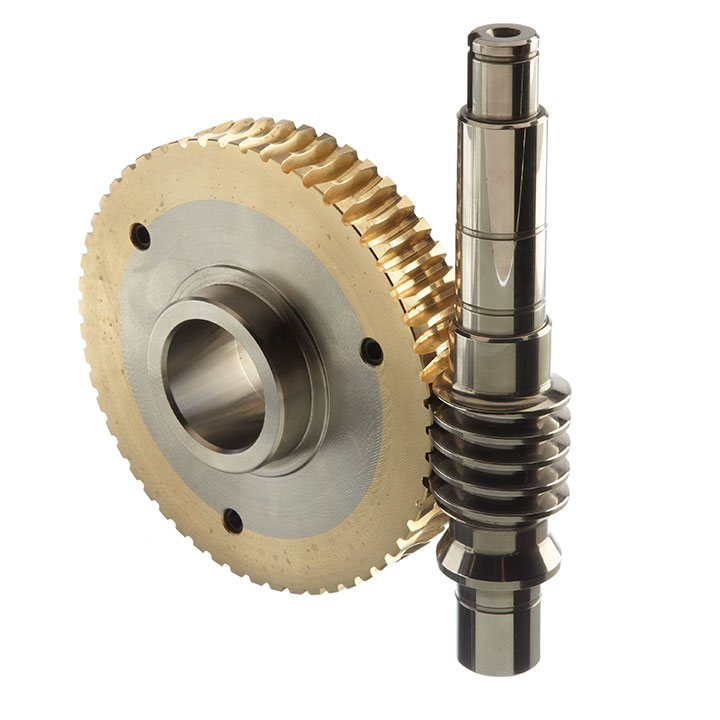
How do you address noise and vibration issues in a worm gear system?
Noise and vibration issues can arise in a worm gear system due to various factors such as misalignment, improper lubrication, gear wear, or resonance. Addressing these issues is important to ensure smooth and quiet operation of the system. Here’s a detailed explanation of how to address noise and vibration issues in a worm gear system:
1. Misalignment correction: Misalignment between the worm and the worm wheel can cause noise and vibration. Ensuring proper alignment of the gears by adjusting their positions and alignment tolerances can help reduce these issues. Precise alignment minimizes tooth contact errors and improves the meshing efficiency, resulting in reduced noise and vibration levels.
2. Lubrication optimization: Inadequate or improper lubrication can lead to increased friction and wear, resulting in noise and vibration. Using the correct lubricant with the appropriate viscosity and additives, and ensuring proper lubrication intervals, can help reduce friction and dampen vibrations. Regular lubricant analysis and replenishment can also prevent excessive wear and maintain optimal performance.
3. Gear inspection and replacement: Wear and damage to the gear teeth can contribute to noise and vibration problems. Regular inspection of the worm gear system allows for early detection of any worn or damaged teeth. Timely replacement of worn gears or damaged components helps maintain the integrity of the gear mesh and reduces noise and vibration levels.
4. Noise reduction measures: Various noise reduction measures can be implemented to minimize noise in a worm gear system. These include using noise-dampening materials or coatings, adding sound insulation or vibration-absorbing pads to the housing, and incorporating noise-reducing features in the gear design, such as profile modifications or helical teeth. These measures help attenuate noise and vibration transmission and improve overall system performance.
5. Resonance mitigation: Resonance, which occurs when the natural frequency of the system matches the excitation frequency, can amplify noise and vibration. To mitigate resonance, design modifications such as changing gear stiffness, altering the system’s natural frequencies, or adding damping elements can be considered. Analytical tools like finite element analysis (FEA) can help identify resonant frequencies and guide the design changes to reduce vibration and noise.
6. Isolation and damping: Isolation and damping techniques can be employed to minimize noise and vibration transmission to the surrounding structures. This can involve using resilient mounts or isolators to separate the gear system from the rest of the equipment or incorporating damping materials or devices within the gear housing to absorb vibrations and reduce noise propagation.
7. Tightening and securing: Loose or improperly tightened components can generate noise and vibration. Ensuring that all fasteners, bearings, and other components are properly tightened and secured eliminates sources of vibration and reduces noise. Regular inspections and maintenance should include checking for loose or worn-out parts and addressing them promptly.
Addressing noise and vibration issues in a worm gear system often requires a systematic approach that considers multiple factors. The specific measures employed may vary depending on the nature of the problem, the operating conditions, and the desired performance objectives. Collaborating with experts in gear design, vibration analysis, or noise control can be beneficial in identifying and implementing effective solutions.
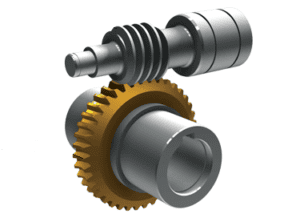
Sonsuz Dişli Çarkların ve Çalışma Prensiplerinin Anlaşılması
Sonsuz dişli, vida benzeri bir bileşenden (sonsuz dişli olarak adlandırılır) ve dişli bir çarktan (sonsuz dişli olarak adlandırılır) oluşan bir tür mekanik dişlidir. Birbirini kesmeyen ve dik miller arasında hareket iletmek için kullanılır. İşte çalışma prensibi:
Genellikle helisel dişli silindirik bir çubuk şeklinde olan sonsuz vida, sonsuz dişli çarkın dişleriyle kenetlenir. Sonsuz vida döndürüldüğünde, dişleri sonsuz dişli çarkın dişleriyle temas ederek dişlinin dönmesine neden olur. Sonsuz dişli çarkın dönüş yönü, sonsuz vidanın eksenine diktir.
Sonsuz dişli çarkların önemli özelliklerinden biri, yüksek dişli küçültme oranları sağlayabilmeleridir. Sonsuz dişli çark üzerindeki diş sayısı, sonsuz vida üzerindeki diş sayısına göre küçültme oranını belirler. Bu da sonsuz dişli çarkları, yüksek tork ve düşük hızda dönüş gerektiren uygulamalar için uygun hale getirir.
Sonsuz dişli çarklar, konveyör sistemleri, asansörler, otomotiv direksiyon mekanizmaları ve daha birçok mekanik sistemde yaygın olarak kullanılır. Benzersiz tasarımları ayrıca kendiliğinden kilitlenme özelliği de sağlar: Sistem sonsuz dişliyi aktif olarak döndürmediğinde, dişli çark, dişlerin açısı nedeniyle sonsuz dişliyi kolayca geri döndüremez, bu da mekanik avantaj sağlar ve ters hareketi önler.


editor by CX 2023-09-13