คำอธิบายผลิตภัณฑ์
สกรูทดรอบ SWL ซีรีส์ ผลิตด้วยฝีมือประณีต:
1. ปรับแต่งได้สะดวก
2. อัตราส่วนที่หลากหลาย
3. ติดตั้งง่าย
4.แรงบิดสูง
อุตสาหกรรมที่นำไปใช้:
แม่แรงสกรูซีรีส์ SWL ของเรามีการใช้งานอย่างแพร่หลายในอุตสาหกรรมต่างๆ เช่น โลหะวิทยา เหมืองแร่ การยกและการขนส่ง พลังงานไฟฟ้า แหล่งพลังงาน การก่อสร้างและวัสดุก่อสร้าง อุตสาหกรรมเบา และอุตสาหกรรมจราจร
พารามิเตอร์ผลิตภัณฑ์
|
พิมพ์ |
แบบอย่าง |
ขนาดเกลียวสกรู |
แม็กซ์ |
แม็กซ์ |
น้ำหนักโดยไม่เกิดภาวะหัวใจหยุดเต้น |
น้ำหนักสกรู |
|
เอสดับบลิวแอล แม่แรงสกรู |
สว.ล.2.5 |
ท.30*6 |
25 |
25 |
7.3 |
0.45 |
|
สว.ล.5 |
ทอาร์40*7 |
50 |
50 |
16.2 |
0.82 |
|
|
SWL10/15 |
ทอาร์58*12 |
100/150 |
99 |
25 |
1.67 |
|
|
SWL20 |
ทอาร์65*12 |
200 |
166 |
36 |
2.15 |
|
|
SWL25 |
ทอาร์90*16 |
250 |
250 |
70.5 |
4.15 |
|
|
SWL35 |
ทอาร์100*18 |
350 |
350 |
87 |
5.20 |
|
|
SWL50 |
ท.120*20 |
500 |
500 |
420 |
7.45 |
|
|
SWL100 |
ตร.160*23 |
1000 |
1000 |
1571 |
13.6 |
|
|
SWL120 |
ตร.180*25 |
1200 |
1200 |
1350 |
17.3 |
|
1. โครงสร้างกะทัดรัด ขนาดเล็ก ติดตั้งง่าย มีหลากหลายรูปแบบ สามารถใช้งานได้ทั้งแบบหน่วยเดียวหรือหลายหน่วย |
||||
|
2. มีความน่าเชื่อถือสูง อายุการใช้งานยาวนาน มีฟังก์ชันการขึ้นลง การผลัก และการพลิกคว่ำ |
||||
|
3. ใช้งานได้หลากหลาย สามารถขับเคลื่อนได้ทั้งด้วยมอเตอร์ไฟฟ้าและแรงคน |
||||
|
4. โดยทั่วไปจะใช้ในสถานการณ์ความเร็วต่ำ และใช้กันอย่างแพร่หลายในสาขาต่างๆ |
ภาพถ่ายโดยละเอียด
ข้อมูลจำเพาะของผลิตภัณฑ์
ซีรี่ส์ SWL
ลิฟต์แบบสกรูหนอนซีรีส์ SWL เป็นชิ้นส่วนยกพื้นฐานชนิดหนึ่ง ซึ่งสามารถยก ลดระดับ ขับเคลื่อน หมุน และทำหน้าที่อื่นๆ ได้โดยใช้สกรูหนอนเป็นตัวขับ
แม่แรงเกลียวสามารถใช้งานได้อย่างกว้างขวางในอุตสาหกรรมเครื่องจักรกล โลหะวิทยา การก่อสร้าง เคมี การแพทย์ วัฒนธรรมและสุขภาพ และอุตสาหกรรมอื่นๆ สามารถควบคุมการปรับความสูงในการยกหรือการขับเคลื่อนได้อย่างแม่นยำตามขั้นตอนที่กำหนด สามารถขับเคลื่อนโดยตรงด้วยมอเตอร์หรือแหล่งพลังงานอื่นๆ หรือสามารถควบคุมด้วยมือได้เช่นกัน แม่แรงเกลียวรุ่นนี้สามารถล็อคตัวเองได้ มีความสามารถในการรับน้ำหนักตั้งแต่ 2.5 ตันถึง 120 ตัน ความเร็วรอบสูงสุด 1500 รอบ/นาที และความเร็วในการยกสูงสุด 2.7 เมตร/นาที
คุณสมบัติ:
1. เหมาะสำหรับงานหนัก ความเร็วต่ำ และความถี่ต่ำ
2. ส่วนประกอบหลัก: ชุดสกรูรูปทรงสี่เหลี่ยมคางหมูความแม่นยำสูง และชุดเฟืองตัวหนอนความแม่นยำสูง
3. ดีไซน์กะทัดรัด ขนาดเล็ก น้ำหนักเบา รองรับแหล่งพลังงานหลากหลาย เสียงรบกวนต่ำ ใช้งานง่าย สะดวก
การซ่อมบำรุง.
4. สกรูรูปทรงสี่เหลี่ยมคางหมูมีคุณสมบัติล็อคตัวเองได้ สามารถรับน้ำหนักได้โดยไม่ต้องใช้อุปกรณ์เบรกเมื่อสกรูหยุดเคลื่อนที่
5. สามารถปรับความสูงในการยกได้ตามความต้องการของลูกค้า
6. นำไปประยุกต์ใช้อย่างกว้างขวางในอุตสาหกรรมต่างๆ เช่น เครื่องจักรกล โลหะวิทยา การก่อสร้าง และอุปกรณ์ไฮดรอลิก
7. ปลายด้านบน: แผ่นปิดด้านบน, ปลายแบบก้ามปู, ปลายแบบเกลียว, ปลายเรียบ, หัวง่าม และปลายแบบก้าน
|
1. แกนเกลียว |
2. น็อต สลักเกลียว |
3. ปก |
4. ซีลกันน้ำมันแบบโครงกระดูก |
5. ตลับลูกปืน |
|
6.เฟืองตัวหนอน |
7. ช่องเติมน้ำมัน |
8.กรณี |
9. ซีลกันน้ำมันแบบโครงกระดูก |
10.ปก |
|
11. น็อต สลักเกลียว |
12. ตลับลูกปืน |
13. ซีลน้ำมันแบบโครงกระดูก |
14. ตลับลูกปืน |
15.หนอน |
|
16. กุญแจแบน |
17. ตลับลูกปืน |
18. ซีลกันน้ำมันแบบโครงกระดูก |
19.ปก |
20.น็อตและสลักเกลียว |
คำอธิบายผลิตภัณฑ์
|
แบบอย่าง |
|
สว.ล.2.5 |
สว.ล.5 |
สวีแอล10 |
SWL15 |
SWL20 |
SWL25 |
SWL35 |
|
แรงยกสูงสุด (กิโลนิวตัน) |
|
25 |
50 |
100 |
150 |
200 |
250 |
350 |
|
ขนาดเกลียวสกรู |
|
ท.30*6 |
ทอาร์40*7 |
ทอาร์58*12 |
ทอาร์58*12 |
ทอาร์65*12 |
ทอาร์90*16 |
ทอาร์100*20 |
|
แรงดึงสูงสุด (กิโลนิวตัน) |
|
25 |
50 |
99 |
166 |
250 |
350 |
|
|
อัตราทดเกียร์หนอน (มม.) |
พี |
1/6 |
1/8 |
3/23 |
1/8 |
3/32 |
3/32 |
|
|
|
เอ็ม |
1/24 |
1/24 |
1/24 |
1/24 |
1/32 |
1/32 |
|
|
ระยะชักของเฟืองตัวหนอนที่ไม่หมุน (มม.) |
พี |
1.0 |
0.875 |
1.565 |
1.56 |
1.5 |
1.875 |
|
|
เอ็ม |
0.250 |
0.292 |
0.5 |
0.5 |
0.5 |
0.625 |
||
|
การยืดตัวสูงสุดของแกนสกรูภายใต้แรงดึง (มม.) |
|
1500 |
2000 |
2500 |
3000 |
3500 |
4000 |
|
|
ความสูงในการยกสูงสุดที่แรงดันสูงสุด (มม.) |
หัวของแกนสกรูไม่มีตัวนำทาง |
250 |
385 |
500 |
400 |
490 |
850 |
820 |
|
ตัวนำหัวสกรูนำ |
400 |
770 |
1000 |
800 |
980 |
1700 |
1640 |
|
|
แรงบิดของเฟืองตัวหนอนที่โหลดเต็มที่ (นิวตันเมตร) |
พี |
18 |
39.5 |
119 |
179 |
240 |
366 |
464 |
|
เอ็ม |
8.86 |
19.8 |
60 |
90 |
122 |
217 |
253 |
|
|
ประสิทธิภาพ (%) |
พี |
22 |
23 |
20.5 |
|
19.5 |
16 |
18 |
|
เอ็ม |
11 |
11.5 |
13 |
|
12.8 |
9 |
11 |
|
|
น้ำหนักก่อนการชัก (กก.) |
|
7.3 |
16.2 |
25 |
|
36 |
70.5 |
87 |
|
น้ำหนักของแกนสกรูต่อ 100 มม. (กก.) |
|
0.45 |
0.82 |
1.67 |
|
2.15 |
4.15 |
5.20 |
ขนาดการติดตั้งแม่แรงสกรูเฟืองตัวหนอน SWL
| มาตรฐานหรือไม่มาตรฐาน: | ไม่เป็นไปตามมาตรฐาน |
|---|---|
| แอปพลิเคชัน: | เครื่องจักรสิ่งทอ, เครื่องจักรตัดเย็บเสื้อผ้า, อุปกรณ์ลำเลียง, รถยนต์ไฟฟ้า, รถจักรยานยนต์, เครื่องจักรอาหาร, อุปกรณ์ทางทะเล, อุปกรณ์เหมืองแร่, เครื่องจักรกลการเกษตร, รถยนต์, ระบบส่งกำลัง |
| ความเร็วอินพุต: | 8-360 รอบต่อนาที |
| วัสดุของเฟือง: | เหล็กกล้าคาร์บอนต่ำผสมสูง |
| การจัดเรียงอัตราทดเกียร์: | หนอน |
| ตำแหน่งการติดตั้ง: | แนวนอน (ติดตั้งบนฐาน) หรือแนวตั้ง (ติดตั้งบนหน้าแปลน) |
| ตัวอย่าง: |
US$ 50 ชิ้น/ชิ้น
1 ชิ้น (สั่งขั้นต่ำ) | |
|---|
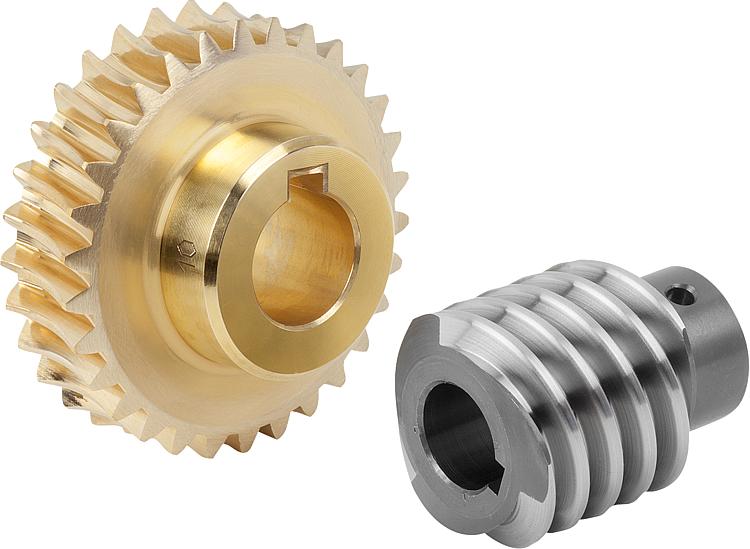
เฟืองตัวหนอนสามารถใช้ในอุปกรณ์การผลิตที่ต้องการความแม่นยำสูงได้หรือไม่?
ใช่แล้ว เฟืองตัวหนอนสามารถใช้ในอุปกรณ์การผลิตที่ต้องการความแม่นยำสูงได้ ต่อไปนี้เป็นคำอธิบายโดยละเอียดเกี่ยวกับการใช้งานในกระบวนการผลิตที่ต้องการความแม่นยำสูง:
1. การควบคุมการเคลื่อนไหวที่แม่นยำ: เฟืองตัวหนอนสามารถควบคุมการเคลื่อนที่ได้อย่างแม่นยำในอุปกรณ์การผลิต การออกแบบของเฟืองตัวหนอนช่วยให้มีอัตราทดเกียร์สูง ซึ่งช่วยให้สามารถปรับแต่งได้อย่างละเอียดและกำหนดตำแหน่งได้อย่างแม่นยำ สิ่งนี้มีประโยชน์อย่างยิ่งในงานที่ต้องการการเคลื่อนที่ที่แม่นยำและทำซ้ำได้ เช่น เครื่องจักร CNC แขนหุ่นยนต์ และเครื่องวัดพิกัด (CMM)
2. การยึดตรึงน้ำหนักและการป้องกันการไหลย้อนกลับ: เฟืองตัวหนอนมีคุณสมบัติล็อคตัวเองได้ หมายความว่าสามารถยึดน้ำหนักไว้ในตำแหน่งได้โดยไม่ต้องใช้เบรกหรือคลัตช์เพิ่มเติม คุณสมบัตินี้เป็นประโยชน์อย่างยิ่งในอุปกรณ์การผลิตที่ต้องการความแม่นยำสูง ซึ่งการยึดตำแหน่งเป็นสิ่งสำคัญ คุณสมบัติการล็อคตัวเองยังช่วยป้องกันการหมุนย้อนกลับ ทำให้มั่นใจได้ถึงเสถียรภาพและความแม่นยำระหว่างการทำงาน
3. ดีไซน์กะทัดรัด: เฟืองตัวหนอนมีดีไซน์ที่กะทัดรัด ซึ่งเป็นประโยชน์อย่างยิ่งในอุปกรณ์การผลิตที่มีพื้นที่จำกัด การจัดเรียงแบบตัวหนอนและล้อตัวหนอนช่วยให้มีขนาดกะทัดเล็ก ทำให้เหมาะสำหรับงานที่มีข้อจำกัดด้านขนาด
4. ระบบส่งกำลังแรงบิดสูง: เฟืองตัวหนอนสามารถส่งแรงบิดสูง ทำให้เหมาะสำหรับอุปกรณ์การผลิตที่ต้องการความแม่นยำสูงและใช้งานหนัก การขบกันของตัวหนอนและล้อเฟืองตัวหนอนทำให้เกิดพื้นที่สัมผัสขนาดใหญ่ ส่งผลให้การส่งกำลังมีประสิทธิภาพและสามารถรับน้ำหนักได้ดี
5. ลดเสียงรบกวนและการสั่นสะเทือน: เฟืองตัวหนอนทำงานด้วยการเคลื่อนที่แบบเลื่อนแทนการเคลื่อนที่แบบหมุน ส่งผลให้ระดับเสียงและการสั่นสะเทือนลดลง คุณลักษณะนี้เป็นประโยชน์ในอุปกรณ์การผลิตที่ต้องการความแม่นยำสูง เนื่องจากช่วยรักษาสภาพแวดล้อมการทำงานที่เงียบกว่าและลดการรบกวนที่อาจส่งผลต่อความแม่นยำของกระบวนการผลิต
6. การหล่อลื่นและการบำรุงรักษา: การหล่อลื่นที่เหมาะสมมีความสำคัญอย่างยิ่งต่อการทำงานที่มีประสิทธิภาพและเชื่อถือได้ของเฟืองตัวหนอนในอุปกรณ์การผลิตที่มีความแม่นยำสูง สารหล่อลื่นช่วยลดแรงเสียดทานและการสึกหรอระหว่างฟันเฟือง ทำให้การเคลื่อนที่ราบรื่นและแม่นยำ ควรปฏิบัติตามตารางการบำรุงรักษาและการหล่อลื่นอย่างสม่ำเสมอเพื่อเพิ่มประสิทธิภาพของเฟืองและยืดอายุการใช้งาน
แม้ว่าเฟืองตัวหนอนจะมีข้อดีหลายประการในอุปกรณ์การผลิตที่ต้องการความแม่นยำสูง แต่สิ่งสำคัญคือต้องพิจารณาข้อกำหนดเฉพาะของงานนั้นๆ ด้วย ปัจจัยต่างๆ เช่น อัตราทดเกียร์ ประสิทธิภาพ ระยะคลอน และสภาวะการทำงาน ควรได้รับการประเมินอย่างรอบคอบเพื่อให้แน่ใจว่าเฟืองตัวหนอนเป็นตัวเลือกที่เหมาะสมสำหรับการบรรลุความแม่นยำและประสิทธิภาพที่ต้องการ
โดยรวมแล้ว เฟืองตัวหนอนสามารถนำไปใช้งานได้อย่างประสบความสำเร็จในอุปกรณ์การผลิตที่ต้องการความแม่นยำสูง ให้การควบคุมการเคลื่อนที่ที่แม่นยำ ความสามารถในการรับน้ำหนัก ขนาดกะทัดรัด และการส่งแรงบิดสูง เมื่อเลือก ติดตั้ง และบำรุงรักษาอย่างเหมาะสม เฟืองตัวหนอนสามารถช่วยเพิ่มความแม่นยำ ความน่าเชื่อถือ และประสิทธิภาพของกระบวนการผลิตที่ต้องการความแม่นยำสูงได้
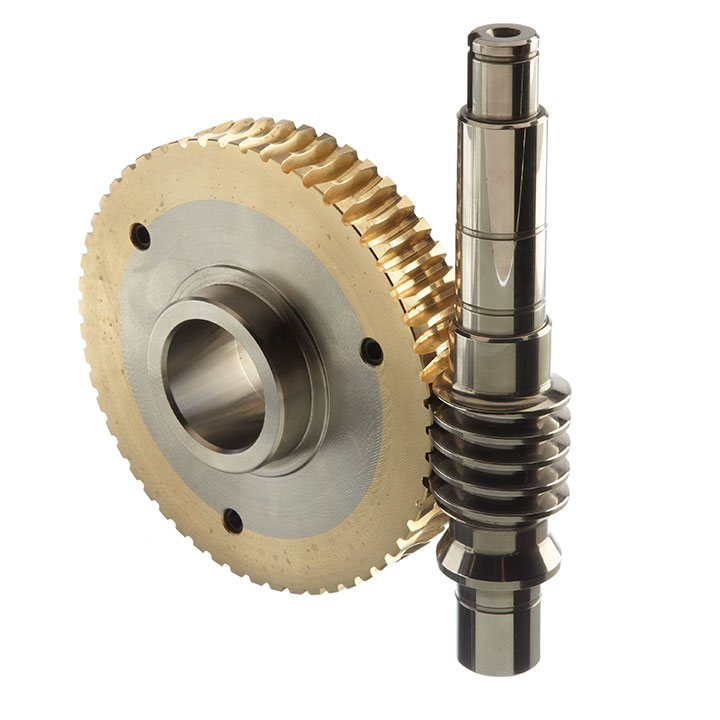
คุณจะจัดการกับปัญหาเสียงรบกวนและการสั่นสะเทือนในระบบเฟืองตัวหนอนอย่างไร?
ปัญหาเสียงดังและการสั่นสะเทือนอาจเกิดขึ้นในระบบเฟืองตัวหนอนเนื่องจากปัจจัยต่างๆ เช่น การเยื้องศูนย์ การหล่อลื่นที่ไม่เหมาะสม การสึกหรอของเฟือง หรือการสั่นพ้อง การแก้ไขปัญหาเหล่านี้มีความสำคัญเพื่อให้มั่นใจได้ว่าระบบทำงานได้อย่างราบรื่นและเงียบ ต่อไปนี้เป็นคำอธิบายโดยละเอียดเกี่ยวกับวิธีการแก้ไขปัญหาเสียงดังและการสั่นสะเทือนในระบบเฟืองตัวหนอน:
1. การแก้ไขการจัดแนวที่ไม่ถูกต้อง: การเยื้องศูนย์ระหว่างเฟืองตัวหนอนและล้อเฟืองตัวหนอนอาจทำให้เกิดเสียงดังและการสั่นสะเทือน การตรวจสอบให้แน่ใจว่าเฟืองอยู่ในแนวเดียวกันอย่างถูกต้องโดยการปรับตำแหน่งและค่าความคลาดเคลื่อนในการจัดแนวจะช่วยลดปัญหาเหล่านี้ได้ การจัดแนวที่แม่นยำจะช่วยลดข้อผิดพลาดในการสัมผัสของฟันเฟืองและปรับปรุงประสิทธิภาพการทำงานของเฟือง ส่งผลให้ระดับเสียงและการสั่นสะเทือนลดลง
2. การเพิ่มประสิทธิภาพการหล่อลื่น: การหล่อลื่นที่ไม่เพียงพอหรือไม่เหมาะสมอาจนำไปสู่การเสียดสีและการสึกหรอที่เพิ่มขึ้น ส่งผลให้เกิดเสียงดังและการสั่นสะเทือน การใช้สารหล่อลื่นที่ถูกต้อง มีความหนืดและสารเติมแต่งที่เหมาะสม และการบำรุงรักษาตามช่วงเวลาที่เหมาะสม จะช่วยลดแรงเสียดทานและลดการสั่นสะเทือนได้ การวิเคราะห์และเติมสารหล่อลื่นอย่างสม่ำเสมอสามารถป้องกันการสึกหรอมากเกินไปและรักษาประสิทธิภาพการทำงานให้อยู่ในระดับที่เหมาะสมได้
3. การตรวจสอบและเปลี่ยนเกียร์: การสึกหรอและความเสียหายของฟันเฟืองอาจส่งผลให้เกิดปัญหาเสียงดังและการสั่นสะเทือน การตรวจสอบระบบเฟืองตัวหนอนอย่างสม่ำเสมอจะช่วยให้ตรวจพบการสึกหรอหรือความเสียหายของฟันเฟืองได้ตั้งแต่เนิ่นๆ การเปลี่ยนเฟืองที่สึกหรอหรือชิ้นส่วนที่เสียหายอย่างทันท่วงทีจะช่วยรักษาความสมบูรณ์ของการทำงานของเฟืองและลดระดับเสียงและการสั่นสะเทือน
4. มาตรการลดเสียงรบกวน: สามารถใช้มาตรการลดเสียงรบกวนต่างๆ เพื่อลดเสียงรบกวนในระบบเฟืองตัวหนอนได้ มาตรการเหล่านี้รวมถึงการใช้วัสดุหรือสารเคลือบลดเสียง การเพิ่มฉนวนกันเสียงหรือแผ่นดูดซับแรงสั่นสะเทือนให้กับตัวเรือน และการออกแบบเฟืองที่มีคุณสมบัติลดเสียง เช่น การปรับเปลี่ยนรูปทรงหรือฟันเฟืองแบบเกลียว มาตรการเหล่านี้ช่วยลดการส่งผ่านเสียงและแรงสั่นสะเทือน และปรับปรุงประสิทธิภาพโดยรวมของระบบ
5. การลดผลกระทบจากเสียงสะท้อน: ปรากฏการณ์เรโซแนนซ์ ซึ่งเกิดขึ้นเมื่อความถี่ธรรมชาติของระบบตรงกับความถี่ของการกระตุ้น สามารถทำให้เสียงและแรงสั่นสะเทือนเพิ่มขึ้นได้ เพื่อลดปรากฏการณ์เรโซแนนซ์ อาจพิจารณาการปรับเปลี่ยนการออกแบบ เช่น การเปลี่ยนความแข็งของเฟือง การเปลี่ยนแปลงความถี่ธรรมชาติของระบบ หรือการเพิ่มองค์ประกอบลดแรงสั่นสะเทือน เครื่องมือวิเคราะห์ เช่น การวิเคราะห์ด้วยวิธีไฟไนต์เอเลเมนต์ (FEA) สามารถช่วยระบุความถี่เรโซแนนซ์และเป็นแนวทางในการเปลี่ยนแปลงการออกแบบเพื่อลดแรงสั่นสะเทือนและเสียงรบกวนได้
6. การแยกและการลดแรงสั่นสะเทือน: สามารถใช้เทคนิคการแยกและการลดแรงสั่นสะเทือนเพื่อลดการส่งผ่านเสียงและการสั่นสะเทือนไปยังโครงสร้างโดยรอบได้ ซึ่งอาจรวมถึงการใช้แท่นรองหรือตัวแยกที่มีความยืดหยุ่นเพื่อแยกชุดเกียร์ออกจากอุปกรณ์ส่วนที่เหลือ หรือการติดตั้งวัสดุหรืออุปกรณ์ลดแรงสั่นสะเทือนภายในตัวเรือนเกียร์เพื่อดูดซับแรงสั่นสะเทือนและลดการแพร่กระจายของเสียง
7. การขันให้แน่นและการยึดให้มั่นคง: ชิ้นส่วนที่หลวมหรือขันไม่แน่นอาจก่อให้เกิดเสียงและแรงสั่นสะเทือน การตรวจสอบให้แน่ใจว่าตัวยึด ตลับลูกปืน และชิ้นส่วนอื่นๆ ทั้งหมดขันแน่นและยึดอย่างถูกต้องจะช่วยขจัดแหล่งที่มาของแรงสั่นสะเทือนและลดเสียงรบกวน การตรวจสอบและบำรุงรักษาเป็นประจำควรตรวจสอบหาชิ้นส่วนที่หลวมหรือสึกหรอและแก้ไขโดยทันที
การแก้ไขปัญหาเสียงรบกวนและการสั่นสะเทือนในระบบเฟืองตัวหนอนมักต้องใช้วิธีการที่เป็นระบบซึ่งพิจารณาปัจจัยหลายประการ มาตรการเฉพาะที่ใช้จะแตกต่างกันไปขึ้นอยู่กับลักษณะของปัญหา สภาพการทำงาน และเป้าหมายด้านประสิทธิภาพที่ต้องการ การร่วมมือกับผู้เชี่ยวชาญด้านการออกแบบเฟือง การวิเคราะห์การสั่นสะเทือน หรือการควบคุมเสียงรบกวนจะเป็นประโยชน์ในการระบุและนำวิธีการแก้ปัญหาที่มีประสิทธิภาพมาใช้
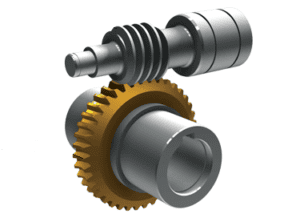
ทำความเข้าใจเกี่ยวกับเฟืองตัวหนอนและหลักการทำงานของมัน
เฟืองตัวหนอนเป็นเฟืองเชิงกลชนิดหนึ่ง ประกอบด้วยส่วนที่เป็นเกลียวคล้ายสกรู (เรียกว่าตัวหนอน) และล้อที่มีฟัน (เรียกว่าเฟืองตัวหนอน) ใช้สำหรับส่งกำลังระหว่างเพลาที่ไม่ตัดกันและตั้งฉากกัน นี่คือวิธีการทำงาน:
ตัวหนอน ซึ่งโดยทั่วไปจะมีลักษณะเป็นแท่งทรงกระบอกที่มีเกลียวเป็นเกลียว จะขบกับฟันของเฟืองตัวหนอน เมื่อตัวหนอนหมุน เกลียวของมันจะเข้ากับฟันของเฟืองตัวหนอน ทำให้เฟืองหมุนตาม ทิศทางการหมุนของเฟืองตัวหนอนจะตั้งฉากกับแกนของตัวหนอน
คุณสมบัติที่สำคัญอย่างหนึ่งของเฟืองตัวหนอนคือความสามารถในการให้อัตราทดเกียร์สูง จำนวนฟันของเฟืองตัวหนอนเมื่อเทียบกับจำนวนเกลียวบนตัวหนอนจะเป็นตัวกำหนดอัตราทดเกียร์ ทำให้เฟืองตัวหนอนเหมาะสำหรับงานที่ต้องการแรงบิดสูงและการหมุนด้วยความเร็วต่ำ
เฟืองตัวหนอนมักใช้ในระบบกลไกต่างๆ เช่น ระบบลำเลียง ลิฟต์ กลไกพวงมาลัยรถยนต์ และอื่นๆ การออกแบบที่เป็นเอกลักษณ์ยังให้คุณสมบัติการล็อคตัวเอง: เมื่อระบบไม่ได้หมุนเฟืองตัวหนอนอย่างต่อเนื่อง เฟืองจะไม่สามารถขับเฟืองตัวหนอนย้อนกลับได้ง่ายๆ เนื่องจากมุมของเกลียว ทำให้เกิดแรงส่งเชิงกลและป้องกันการเคลื่อนที่ย้อนกลับ


แก้ไขโดย CX 2023-09-13