Tuotekuvaus
RV Series High Precision Worm Gear
Komponentit:
1. Housing: Die-cast Aluminium Alloy Gearbox (RV571~RV090)
Cast Iron Gearbox (RV110~RV150)
2. Worm Wheel: Wearable Tin Bronze Alloy, Aluminum Bronze Alloy
3. Worm Shaft: 20Cr Steel, carburizing, quenching, grinding, surface hardness 56-62HRC, 0.3-0.5mm remaining carburized layer after precise grinding
4. Input Configurations:
Equipped with Electric Motors (AC Motor, Brake Motor, DC Motor, Servo Motor)
IEC-normalized Motor Flange
Solid Shaft Input
Worm Shaft Tail Extension Input
5. Output Configurations:
Keyed Hollow Shaft Output
Hollow Shaft with Output Flange
Plug-in CZPT Shaft Output
6. Spare Parts: Worm Shaft Tail Extension, Single Output Shaft, Double Output Shaft, Output Flange, Torque Arm, Dust Cover
7. Gearbox Painting:
Aluminium Alloy Gearbox:
After Shot Blasting, Anticorrosion Treatment and Phosphating, Paint with the Color of RAL 5571 Gentian Blue or RAL 7035 Light Grey
Cast Iron Gearbox:
After Painting with Red Antirust Paint, Paint with the Color of RAL 5571 Gentian Blue
Models:
Hollow Shaft Input with IEC-normalized Motor Flange
RV571~RV150
Solid Shaft Input
RV571~RV150
Features:
1. Quality aluminum alloy gear box, light weight and not rust
2. 2 optional worm wheel materials: Tin bronze or aluminum bronze alloy
3. Standard parts and very flexible for shaft configurations and motor flange interface
4. Several optional mounting options
5. Low noise, High efficiency in heat dissipation
Parameters:
| Mallit | Rated Power | Rated Ratio | Input Hole Dia. | Input Shaft Dia. | Output Hole Dia. | Output Shaft Dia. | Center Distance |
| RV571 | 0.06KW~0.12KW | 5~60 | Φ9 | Φ9 | Φ11 | Φ11 | 25mm |
| RV030 | 0.06KW~0.25KW | 5~80 | Φ9(Φ11) | Φ9 | Φ14 | Φ14 | 30mm |
| RV040 | 0.09KW~0.55KW | 5~100 | Φ9(Φ11,Φ14) | Φ11 | Φ18(Φ19) | Φ18 | 40mm |
| RV050 | 0.12KW~1.5KW | 5~100 | Φ11(Φ14,Φ19) | Φ14 | Φ25(Φ24) | Φ25 | 50mm |
| RV063 | 0.18KW~2.2KW | 7.5~100 | Φ14(Φ19,Φ24) | Φ19 | Φ25(Φ28) | Φ25 | 63mm |
| RV075 | 0.25KW~4.0KW | 7.5~100 | Φ14(Φ19,Φ24,Φ28) | Φ24 | Φ28(Φ35) | Φ28 | 75mm |
| RV090 | 0.37KW~4.0KW | 7.5~100 | Φ19(Φ24,Φ28) | Φ24 | Φ35(Φ38) | Φ35 | 90mm |
| RV110 | 0.55KW~7.5KW | 7.5~100 | Φ19(Φ24,Φ28,Φ38) | Φ28 | Φ42 | Φ42 | 110mm |
| RV130 | 0.75KW~7.5KW | 7.5~100 | Φ24(Φ28,Φ38) | Φ30 | Φ45 | Φ45 | 130mm |
| RV150 | 2.2KW~15KW | 7.5~100 | Φ28(Φ38,Φ42) | Φ35 | Φ50 | Φ50 | 150mm |
Ratio: 5, 7.5, 10, 15, 20, 25, 30, 40, 50, 60, 80, 100
Asennus:
Flange Mounted
Foot Mounted
Torque Arm Mounted
Lubrication:
Grease Lubrication
Oil-bath and Splash Lubrication
Cooling:
Natural Cooling
Product picture:
Structure:
Certificate:
Packing & Delivery:
Our company :
AOKMAN was founded in 1982, which has more than 36 years in R & D and manufacturing of gearboxes, gears, shaft, motor and spare parts.
We can offer the proper solution for uncountable applications. Our products are widely used in the ranges of metallurgical, steel, mining, pulp and paper, sugar and alcohol market and various other types of machines with a strong presence in the international market.
AOKMAN has become a reliable supplier, able to supply high quality gearboxes.With 36 years experience, we assure you the utmost reliability and security for both product and services.
Customer visiting:
Usein kysytyt kysymykset:
1.Q:What kinds of gearbox can you produce for us?
A:Main products of our company: UDL series speed variator,RV series worm gear reducer, ATA series shaft mounted gearbox, X,B series gear reducer,
P series planetary gearbox and R, S, K, and F series helical-tooth reducer, more
than 1 hundred models and thousands of specifications
2.Q:Can you make as per custom drawing?
A: Yes, we offer customized service for customers.
3.Q:What is your terms of payment ?
A: 30% Advance payment by T/T after signing the contract.70% before delivery
4.Q:What is your MOQ?
A: 1 Set
Contact:
Welcome you contace me if you are interested in our product.
Our team will support any need you might have.
| Sovellus: | Machinery, Industry |
|---|---|
| Kovuus: | Karkaistu |
| Gear Position: | Internal Gear |
| Manufacturing Method: | Cast Gear |
| Toothed Portion Shape: | Spur Gear |
| Materiaali: | Ruostumaton teräs |
| Mukauttaminen: |
Saatavilla
| Mukautettu pyyntö |
|---|
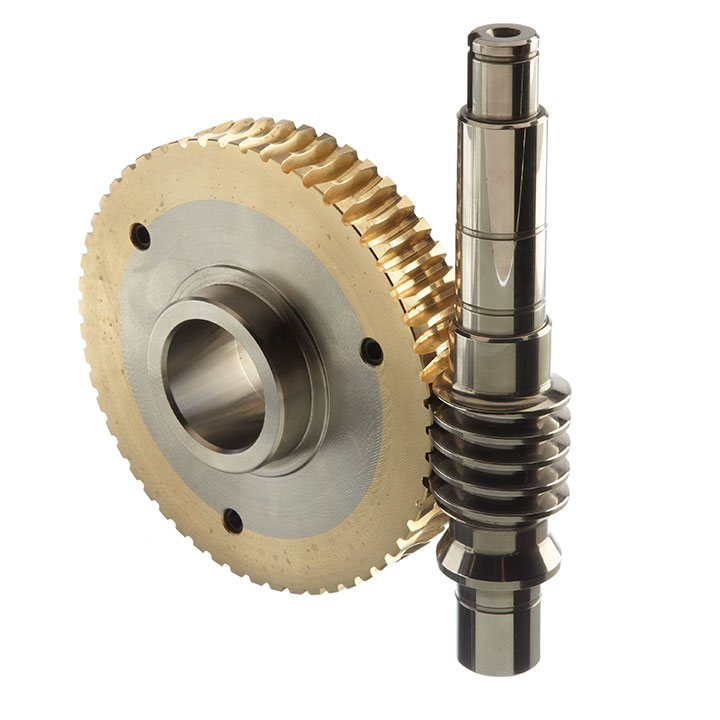
How do you address noise and vibration issues in a worm gear system?
Noise and vibration issues can arise in a worm gear system due to various factors such as misalignment, improper lubrication, gear wear, or resonance. Addressing these issues is important to ensure smooth and quiet operation of the system. Here’s a detailed explanation of how to address noise and vibration issues in a worm gear system:
1. Misalignment correction: Misalignment between the worm and the worm wheel can cause noise and vibration. Ensuring proper alignment of the gears by adjusting their positions and alignment tolerances can help reduce these issues. Precise alignment minimizes tooth contact errors and improves the meshing efficiency, resulting in reduced noise and vibration levels.
2. Lubrication optimization: Inadequate or improper lubrication can lead to increased friction and wear, resulting in noise and vibration. Using the correct lubricant with the appropriate viscosity and additives, and ensuring proper lubrication intervals, can help reduce friction and dampen vibrations. Regular lubricant analysis and replenishment can also prevent excessive wear and maintain optimal performance.
3. Gear inspection and replacement: Wear and damage to the gear teeth can contribute to noise and vibration problems. Regular inspection of the worm gear system allows for early detection of any worn or damaged teeth. Timely replacement of worn gears or damaged components helps maintain the integrity of the gear mesh and reduces noise and vibration levels.
4. Noise reduction measures: Various noise reduction measures can be implemented to minimize noise in a worm gear system. These include using noise-dampening materials or coatings, adding sound insulation or vibration-absorbing pads to the housing, and incorporating noise-reducing features in the gear design, such as profile modification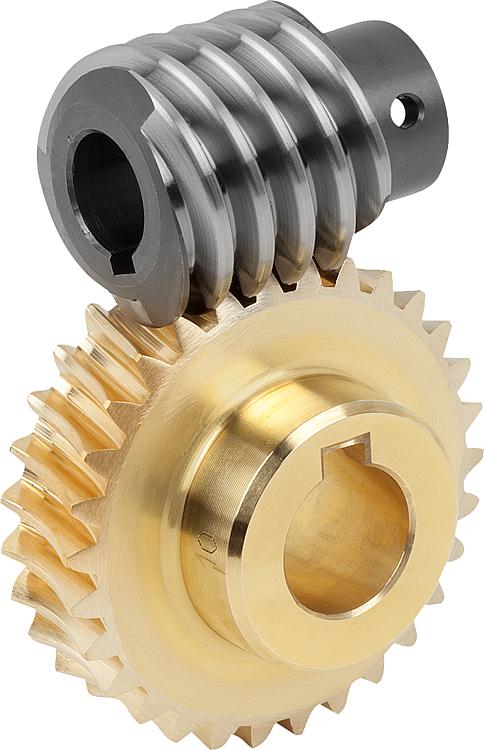
Mikä on tyypillisen matovaihteen käyttöikä?
Tyypillisen matovaihteen käyttöikä voi vaihdella useiden tekijöiden mukaan, mukaan lukien materiaalien laatu, suunnittelu, käyttöolosuhteet, huoltokäytännöt ja tietty käyttökohde. Tässä on yksityiskohtainen selitys tekijöistä, jotka vaikuttavat matovaihteen käyttöikään:
1. Materiaalien laatu: Matovaihteen valmistuksessa käytettyjen materiaalien valinta vaikuttaa merkittävästi sen käyttöikään. Korkealaatuiset materiaalit, kuten karkaistu teräs tai pronssi, tarjoavat paremman kestävyyden, kulutuskestävyyden ja yleisen pitkäikäisyyden verrattuna heikompilaatuisiin materiaaleihin. Sopivien materiaalien valinta käyttötarkoituksen vaatimusten perusteella on ratkaisevan tärkeää pidemmän käyttöiän saavuttamiseksi.
2. Suunnitteluun liittyvät näkökohdat: Matovaihteen suunnittelu, mukaan lukien tekijät, kuten hammasprofiili, koko ja kuorman jakautuminen, voivat vaikuttaa sen käyttöikään. Hyvin suunnitelluilla matovaihteilla, joilla on optimoitu hammasgeometria ja oikea kuormankantokyky, on yleensä pidempi käyttöikä. Lisäksi ominaisuudet, kuten voitelujärjestelmät ja välyksenestomekanismit, voivat myös parantaa kestävyyttä ja pidentää käyttöikää.
3. Käyttöolosuhteet: Matovaihteen käyttöolosuhteet vaikuttavat merkittävästi sen käyttöikään. Tekijät, kuten kuormituksen suuruus, nopeus, lämpötila ja ympäristöolosuhteet, voivat vaikuttaa vaihteen kulumis- ja väsymisominaisuuksiin. Matovaihteen asianmukainen sovittaminen käyttötarkoituksen vaatimuksiin ja sen varmistaminen, että se toimii määriteltyjen rajojen puitteissa, voi auttaa pidentämään sen käyttöikää.
4. Huoltokäytännöt: Säännöllinen huolto ja asianmukainen voitelu ovat välttämättömiä matovaihteen käyttöiän maksimoimiseksi. Riittävä voitelu auttaa vähentämään kitkaa, kulumista ja lämmönmuodostusta, mikä pidentää vaihteen käyttöikää. Säännölliset tarkastukset, voiteluaineen lisääminen ja kuluneiden tai vaurioituneiden osien oikea-aikainen vaihto ovat tärkeitä huoltokäytäntöjä, jotka voivat vaikuttaa positiivisesti matovaihteen käyttöikään.
5. Sovelluskohtaiset tekijät: Myös matovaihteen käyttötarkoitus voi vaikuttaa sen käyttöikään. Tekijät, kuten käyttöjaksot, vääntömomentit, iskukuormat ja käyttöjaksot, vaihtelevat sovelluskohtaisesti ja voivat vaikuttaa vaihteen kulumiseen ja väsymiseen. Sovelluksen ainutlaatuisten vaatimusten ja tarpeiden ymmärtäminen sekä asianmukaisesti mitoitettujen ja kyseisiin olosuhteisiin suunniteltujen matovaihteiden valitseminen voi pidentää sen käyttöikää.
Materiaalien, rakenteiden, käyttöolosuhteiden ja huoltokäytäntöjen vaihteluiden vuoksi on haastavaa antaa tarkkaa käyttöikää tyypilliselle matovaihteelle. Oikein valituilla, asennetuilla ja huolletuilla matovaihteilla voi kuitenkin olla käyttöikä useista vuosista vuosikymmeniin edellä mainituista tekijöistä riippuen.
On syytä huomata, että matovaihteen suorituskyvyn seuranta säännöllisillä tarkastuksilla ja mahdollisten kulumisen, vaurioiden tai liiallisen välyksen merkkien korjaaminen voi auttaa tunnistamaan mahdolliset ongelmat varhaisessa vaiheessa ja pidentää vaihteen käyttöikää. Lisäksi valmistajan ohjeiden ja suositusten noudattaminen huoltoväleistä, voitelutyypeistä ja käyttörajoituksista voi merkittävästi edistää matovaihteen käyttöiän maksimointia.
s or helical teeth. These measures help attenuate noise and vibration transmission and improve overall system performance.
5. Resonance mitigation: Resonance, which occurs when the natural frequency of the system matches the excitation frequency, can amplify noise and vibration. To mitigate resonance, design modifications such as changing gear stiffness, altering the system’s natural frequencies, or adding damping elements can be considered. Analytical tools like finite element analysis (FEA) can help identify resonant frequencies and guide the design changes to reduce vibration and noise.
6. Isolation and damping: Isolation and damping techniques can be employed to minimize noise and vibration transmission to the surrounding structures. This can involve using resilient mounts or isolators to separate the gear system from the rest of the equipment or incorporating damping materials or devices within the gear housing to absorb vibrations and reduce noise propagation.
7. Tightening and securing: Loose or improperly tightened components can generate noise and vibration. Ensuring that all fasteners, bearings, and other components are properly tightened and secured eliminates sources of vibration and reduces noise. Regular inspections and maintenance should include checking for loose or worn-out parts and addressing them promptly.
Addressing noise and vibration issues in a worm gear system often requires a systematic approach that considers multiple factors. The specific measures employed may vary depending on the nature of the problem, the operating conditions, and the desired performance objectives. Collaborating with experts in gear design, vibration analysis, or noise control can be beneficial in identifying and implementing effective solutions.
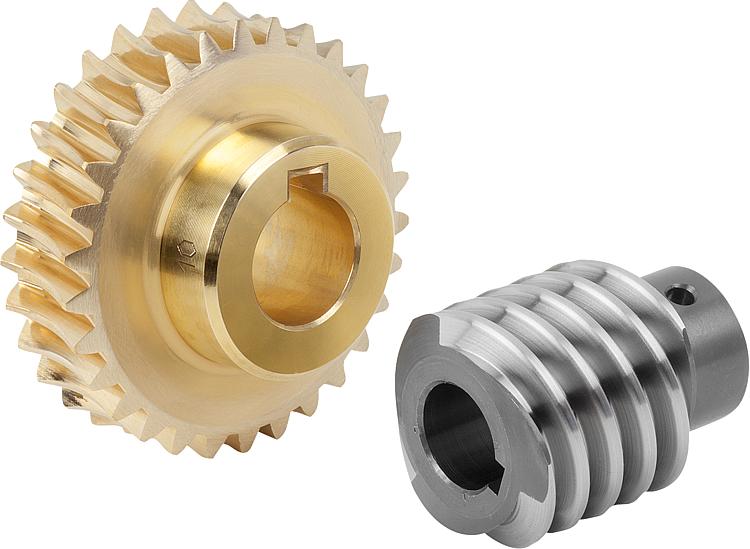
How do you choose the right size worm gear for your application?
Choosing the right size worm gear for your application involves considering several factors to ensure optimal performance and longevity. Here are the key considerations:
Load Requirements:
Determine the maximum load that the worm gear will need to transmit. This includes both the torque (rotational force) and the axial load (force along the axis of the gear). Calculate or estimate the peak and continuous loads that the gear will experience during operation. Consider factors such as shock loads, dynamic forces, and variations in load conditions. This information will help determine the required load-carrying capacity of the worm gear.
Gear Ratio:
Determine the desired gear ratio for your application. The gear ratio determines the speed reduction and torque multiplication provided by the worm gear system. Consider the specific requirements of your application, such as the desired output speed and the torque needed to drive the load. Select a worm gear with a gear ratio that meets your application’s requirements while considering the limitations of the available gear options.
Efficiency:
Consider the efficiency requirements of your application. Worm gears typically have lower efficiency compared to other types of gears due to the sliding action between the worm and worm wheel. If efficiency is critical for your application, choose a worm gear design and materials that offer higher efficiency, such as a double enveloping worm gear.
Space Constraints:
Evaluate the available space for the worm gear assembly in your application. Consider the dimensions of the worm gear, including the diameter, length, and mounting requirements. Ensure that the chosen worm gear can fit within the available space without compromising other components or functionality.
Speed and Operating Conditions:
Consider the operating speed and environmental conditions in which the worm gear will operate. Some worm gears have speed limitations due to factors such as heat generation and lubrication requirements. Ensure that the selected worm gear is suitable for the anticipated speed range and can withstand the temperature, humidity, and other environmental factors of your application.
Manufacturing Standards and Quality:
Select a worm gear that conforms to recognized manufacturing standards and quality requirements. Look for worm gears from reputable manufacturers that offer reliable and durable products. Consider factors such as material quality, surface finish, and precision in the gear manufacturing process.
By carefully evaluating these factors and considering the specific requirements of your application, you can choose the right size worm gear that meets your performance, load, and space requirements, resulting in a reliable and efficient gear system.


editor by CX 2023-08-31