Produktbeskrivelse
RV Series High Precision Worm Gear
Komponenter:
1. Housing: Die-cast Aluminium Alloy Gearbox (RV571~RV090)
Cast Iron Gearbox (RV110~RV150)
2. Worm Wheel: Wearable Tin Bronze Alloy, Aluminum Bronze Alloy
3. Worm Shaft: 20Cr Steel, carburizing, quenching, grinding, surface hardness 56-62HRC, 0.3-0.5mm remaining carburized layer after precise grinding
4. Input Configurations:
Equipped with Electric Motors (AC Motor, Brake Motor, DC Motor, Servo Motor)
IEC-normalized Motor Flange
Solid Shaft Input
Worm Shaft Tail Extension Input
5. Output Configurations:
Keyed Hollow Shaft Output
Hollow Shaft with Output Flange
Plug-in CZPT Shaft Output
6. Spare Parts: Worm Shaft Tail Extension, Single Output Shaft, Double Output Shaft, Output Flange, Torque Arm, Dust Cover
7. Gearbox Painting:
Aluminium Alloy Gearbox:
After Shot Blasting, Anticorrosion Treatment and Phosphating, Paint with the Color of RAL 5571 Gentian Blue or RAL 7035 Light Grey
Cast Iron Gearbox:
After Painting with Red Antirust Paint, Paint with the Color of RAL 5571 Gentian Blue
Modeller:
Hollow Shaft Input with IEC-normalized Motor Flange
RV571~RV150
Solid Shaft Input
RV571~RV150
Funktioner:
1. Quality aluminum alloy gear box, light weight and not rust
2. 2 optional worm wheel materials: Tin bronze or aluminum bronze alloy
3. Standard parts and very flexible for shaft configurations and motor flange interface
4. Several optional mounting options
5. Low noise, High efficiency in heat dissipation
Parameters:
| Modeller | Rated Power | Rated Ratio | Input Hole Dia. | Input Shaft Dia. | Output Hole Dia. | Output Shaft Dia. | Centerafstand |
| RV571 | 0,06 kW ~ 0,12 kW | 5~60 | Φ9 | Φ9 | Φ11 | Φ11 | 25 mm |
| RV030 | 0,06 kW ~ 0,25 kW | 5~80 | Φ9 (Φ11) | Φ9 | Φ14 | Φ14 | 30 mm |
| RV040 | 0,09 kW ~ 0,55 kW | 5~100 | Φ9(Φ11,Φ14) | Φ11 | Φ18(Φ19) | Φ18 | 40 mm |
| RV050 | 0,12 kW ~ 1,5 kW | 5~100 | Φ11(Φ14, Φ19) | Φ14 | Φ25 (Φ24) | Φ25 | 50mm |
| RV063 | 0,18 kW ~ 2,2 kW | 7.5~100 | Φ14(Φ19, Φ24) | Φ19 | Φ25 (Φ28) | Φ25 | 63 mm |
| RV075 | 0,25 kW ~ 4,0 kW | 7.5~100 | Φ14(Φ19, Φ24, Φ28) | Φ24 | Φ28 (Φ35) | Φ28 | 75 mm |
| RV090 | 0,37 kW ~ 4,0 kW | 7.5~100 | Φ19(Φ24, Φ28) | Φ24 | Φ35 (Φ38) | Φ35 | 90 mm |
| RV110 | 0,55 kW ~ 7,5 kW | 7.5~100 | Φ19 (Φ24, Φ28, Φ38) | Φ28 | Φ42 | Φ42 | 110 mm |
| RV130 | 0,75 kW ~ 7,5 kW | 7.5~100 | Φ24(Φ28,Φ38) | Φ30 | Φ45 | Φ45 | 130 mm |
| RV150 | 2,2 kW ~ 15 kW | 7.5~100 | Φ28(Φ38,Φ42) | Φ35 | Φ50 | Φ50 | 150 mm |
Forhold: 5, 7.5, 10, 15, 20, 25, 30, 40, 50, 60, 80, 100
Installation:
Flange Mounted
Fodmonteret
Torque Arm Mounted
Smøring:
Grease Lubrication
Oil-bath and Splash Lubrication
Køling:
Natural Cooling
Produktbillede:
Struktur:
Certifikat:
Packing & Delivery:
Vores virksomhed:
AOKMAN was founded in 1982, which has more than 36 years in R & D and manufacturing of gearboxes, gears, shaft, motor and spare parts.
We can offer the proper solution for uncountable applications. Our products are widely used in the ranges of metallurgical, steel, mining, pulp and paper, sugar and alcohol market and various other types of machines with a strong presence in the international market.
AOKMAN has become a reliable supplier, able to supply high quality gearboxes.With 36 years experience, we assure you the utmost reliability and security for both product and services.
Customer visiting:
Ofte stillede spørgsmål:
1.Q:What kinds of gearbox can you produce for us?
A:Main products of our company: UDL series speed variator,RV series worm gear reducer, ATA series shaft mounted gearbox, X,B series gear reducer,
P series planetary gearbox and R, S, K, and F series helical-tooth reducer, more
than 1 hundred models and thousands of specifications
2.Q: Kan du lave efter en brugerdefineret tegning?
A: Yes, we offer customized service for customers.
3.Q: Hvad er dine betalingsbetingelser?
A: 30% Advance payment by T/T after signing the contract.70% before delivery
4.Q: Hvad er din MOQ?
A: 1 Set
Kontakte:
Welcome you contace me if you are interested in our product.
Our team will support any need you might have.
| Anvendelse: | Machinery, Industry |
|---|---|
| Hårdhed: | Hærdet |
| Gearposition: | Internal Gear |
| Fremstillingsmetode: | Cast Gear |
| Form på tanddel: | Spiralgear |
| Materiale: | Rustfrit stål |
| Tilpasning: |
Tilgængelig
| Tilpasset anmodning |
|---|
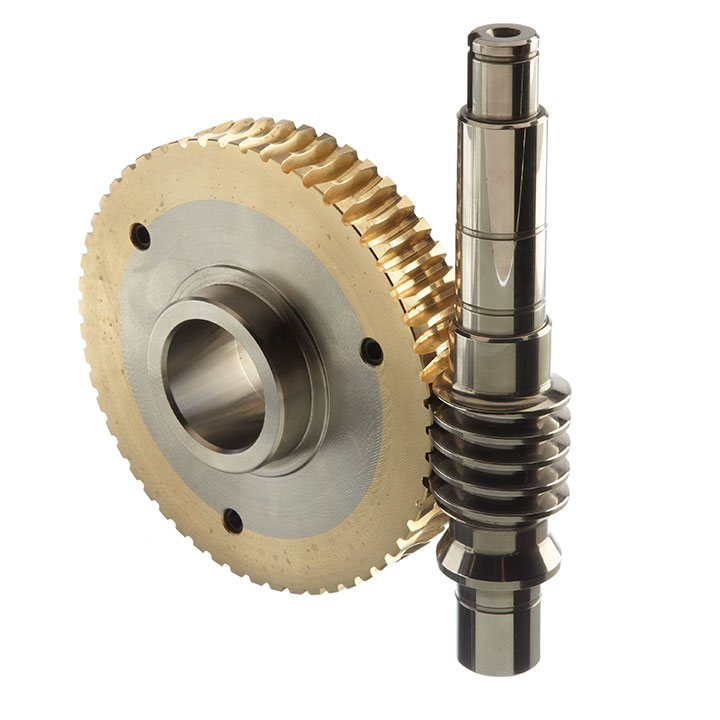
Hvordan håndterer man støj- og vibrationsproblemer i et snekkegearsystem?
Støj- og vibrationsproblemer kan opstå i et snekkegearsystem på grund af forskellige faktorer såsom forkert justering, forkert smøring, slid på gearet eller resonans. Det er vigtigt at løse disse problemer for at sikre en jævn og stille drift af systemet. Her er en detaljeret forklaring på, hvordan man håndterer støj- og vibrationsproblemer i et snekkegearsystem:
1. Korrektion af fejljustering: Forkert justering mellem snekken og snekkehjulet kan forårsage støj og vibrationer. Ved at justere deres positioner og justeringstolerancer kan det reduceres disse problemer ved at sikre korrekt justering af gearene. Præcis justering minimerer tandkontaktfejl og forbedrer indgrebseffektiviteten, hvilket resulterer i reducerede støj- og vibrationsniveauer.
2. Smøreoptimering: Utilstrækkelig eller forkert smøring kan føre til øget friktion og slitage, hvilket resulterer i støj og vibrationer. Brug af det korrekte smøremiddel med den passende viskositet og additiver, samt sikring af korrekte smøreintervaller, kan hjælpe med at reducere friktion og dæmpe vibrationer. Regelmæssig analyse og påfyldning af smøremiddel kan også forhindre overdreven slitage og opretholde optimal ydeevne.
3. Gearinspektion og udskiftning: Slid og beskadigelse af tandhjulene kan bidrage til støj- og vibrationsproblemer. Regelmæssig inspektion af snekkegearsystemet muliggør tidlig opdagelse af slidte eller beskadigede tænder. Rettidig udskiftning af slidte tandhjul eller beskadigede komponenter hjælper med at opretholde tandhjulets integritet og reducerer støj- og vibrationsniveauer.
4. Støjreducerende foranstaltninger: Various noise reduction measures can be implemented to minimize noise in a worm gear system. These include using noise-dampening materials or coatings, adding sound insulation or vibration-absorbing pads to the housing, and incorporating noise-reducing features in the gear design, such as profile modification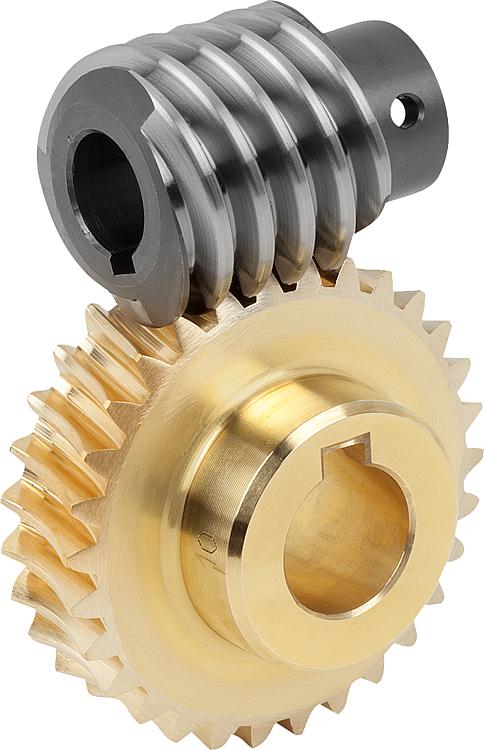
Hvad er levetiden for et typisk snekkegear?
Levetiden for et typisk snekkegear kan variere afhængigt af flere faktorer, herunder materialernes kvalitet, design, driftsforhold, vedligeholdelsespraksis og den specifikke anvendelse. Her er en detaljeret forklaring af de faktorer, der påvirker levetiden for et snekkegear:
1. Materialernes kvalitet: Valget af materialer, der anvendes i konstruktionen af snekkegearet, påvirker dets levetid i høj grad. Materialer af høj kvalitet, såsom hærdet stål eller bronze, tilbyder bedre holdbarhed, slidstyrke og samlet set lang levetid sammenlignet med materialer af lavere kvalitet. Valget af passende materialer baseret på anvendelseskravene er afgørende for at opnå en længere levetid.
2. Designhensyn: Snekkegearets design, herunder faktorer som tandprofil, størrelse og lastfordeling, kan påvirke dets levetid. Veldesignede snekkegear med optimeret tandgeometri og korrekt bæreevne har en tendens til at have længere levetid. Derudover kan funktioner som smøresystemer og anti-backlash-mekanismer også bidrage til forbedret holdbarhed og forlænget levetid.
3. Driftsforhold: De driftsforhold, som snekkegearet fungerer under, spiller en væsentlig rolle i dets levetid. Faktorer som belastningsstørrelse, hastighed, temperatur og miljøforhold kan påvirke gearets slid- og udmattelsesegenskaber. Korrekt tilpasning af snekkegearet til applikationskravene og sikring af, at det fungerer inden for specificerede grænser, kan bidrage til at forlænge dets levetid.
4. Vedligeholdelsespraksis: Regelmæssig vedligeholdelse og korrekt smøring er afgørende for at maksimere snekkegearets levetid. Tilstrækkelig smøring hjælper med at reducere friktion, slid og varmeudvikling, hvilket forlænger gearets levetid. Regelmæssige inspektioner, smøremiddelpåfyldning og rettidig udskiftning af slidte eller beskadigede komponenter er vigtige vedligeholdelsespraksisser, der kan have en positiv indflydelse på snekkegearets levetid.
5. Applikationsspecifikke faktorer: Den specifikke anvendelse, som snekkegearet anvendes i, kan også påvirke dets levetid. Faktorer som driftscyklusser, momentniveauer, stødbelastninger og driftscyklusser varierer mellem anvendelser og kan påvirke den slidtage og udmattelse, som gearet oplever. Forståelse af de unikke krav og behov i anvendelsen og valg af et snekkegear, der er passende klassificeret og designet til disse forhold, kan bidrage til en længere levetid.
I betragtning af variationerne i materialer, design, driftsforhold og vedligeholdelsespraksis er det udfordrende at angive en specifik levetid for et typisk snekkegear. Med korrekt valg, installation og vedligeholdelse kan snekkegear dog have en levetid fra flere år til årtier, afhængigt af de ovennævnte faktorer.
Det er værd at bemærke, at overvågning af snekkegearets ydeevne gennem regelmæssige inspektioner og håndtering af tegn på slid, skader eller for stort slør kan hjælpe med at identificere potentielle problemer tidligt og forlænge gearets levetid. Derudover kan det at følge producentens retningslinjer og anbefalinger vedrørende vedligeholdelsesintervaller, smøretyper og driftsgrænser bidrage væsentligt til at maksimere et snekkegears levetid.
s or helical teeth. These measures help attenuate noise and vibration transmission and improve overall system performance.
5. Resonansdæmpning: Resonans, som opstår, når systemets egenfrekvens matcher excitationsfrekvensen, kan forstærke støj og vibrationer. For at afbøde resonans kan designændringer såsom ændring af gearstivhed, ændring af systemets egenfrekvenser eller tilføjelse af dæmpningselementer overvejes. Analytiske værktøjer som finite element-analyse (FEA) kan hjælpe med at identificere resonansfrekvenser og vejlede designændringerne for at reducere vibrationer og støj.
6. Isolering og dæmpning: Isolerings- og dæmpningsteknikker kan anvendes til at minimere støj- og vibrationsoverførsel til de omgivende strukturer. Dette kan involvere brug af elastiske ophæng eller isolatorer til at adskille gearsystemet fra resten af udstyret eller indarbejdelse af dæmpningsmaterialer eller -anordninger i gearhuset for at absorbere vibrationer og reducere støjudbredelse.
7. Stramning og fastgørelse: Løse eller forkert spændte komponenter kan generere støj og vibrationer. Ved at sikre, at alle fastgørelseselementer, lejer og andre komponenter er korrekt spændt og fastgjort, elimineres vibrationskilder og reduceres støj. Regelmæssige inspektioner og vedligeholdelse bør omfatte kontrol af løse eller slidte dele og hurtig udbedring af dem.
Håndtering af støj- og vibrationsproblemer i et snekkegear kræver ofte en systematisk tilgang, der tager højde for flere faktorer. De specifikke foranstaltninger, der anvendes, kan variere afhængigt af problemets art, driftsforholdene og de ønskede præstationsmål. Samarbejde med eksperter inden for geardesign, vibrationsanalyse eller støjkontrol kan være gavnligt for at identificere og implementere effektive løsninger.
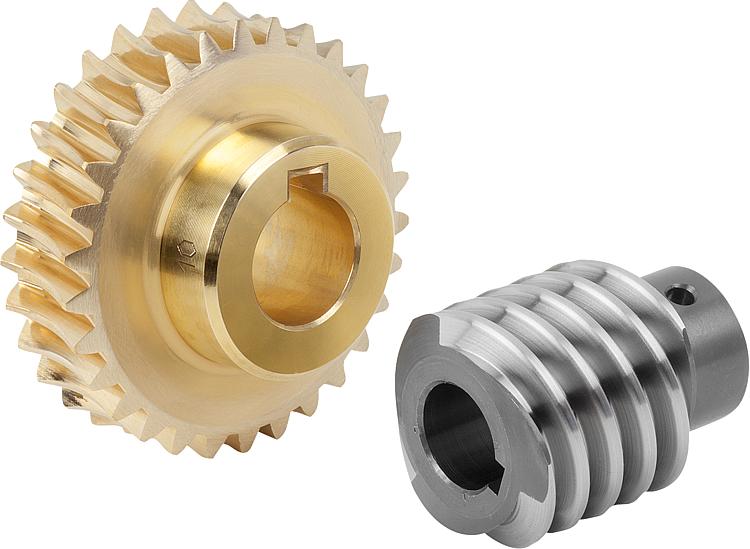
Hvordan vælger du den rigtige størrelse snekkegear til din anvendelse?
At vælge den rigtige størrelse snekkegear til din anvendelse involverer overvejelse af flere faktorer for at sikre optimal ydeevne og levetid. Her er de vigtigste overvejelser:
Krav til belastning:
Bestem den maksimale belastning, som snekkegearet skal overføre. Dette inkluderer både drejningsmomentet (rotationskraften) og den aksiale belastning (kraften langs gearets akse). Beregn eller estimer de maksimale og kontinuerlige belastninger, som gearet vil opleve under drift. Overvej faktorer som stødbelastninger, dynamiske kræfter og variationer i belastningsforhold. Disse oplysninger vil hjælpe med at bestemme snekkegearets nødvendige bæreevne.
Gearforhold:
Bestem det ønskede gearforhold til din applikation. Gearforholdet bestemmer den hastighedsreduktion og momentmultiplikation, som snekkegearsystemet leverer. Overvej de specifikke krav til din applikation, såsom den ønskede udgangshastighed og det nødvendige moment til at drive lasten. Vælg et snekkegear med et gearforhold, der opfylder din applikations krav, samtidig med at du tager højde for begrænsningerne ved de tilgængelige gearmuligheder.
Effektivitet:
Overvej effektivitetskravene til din applikation. Snekkegear har typisk lavere effektivitet sammenlignet med andre typer gear på grund af glidefunktionen mellem snekken og snekkehjulet. Hvis effektivitet er afgørende for din applikation, skal du vælge et snekkegeardesign og materialer, der tilbyder højere effektivitet, såsom et dobbelt omsluttende snekkegear.
Pladsbegrænsninger:
Evaluer den tilgængelige plads til snekkegearenheden i din applikation. Overvej snekkegearets dimensioner, herunder diameter, længde og monteringskrav. Sørg for, at det valgte snekkegear kan passe inden for den tilgængelige plads uden at gå på kompromis med andre komponenter eller funktionalitet.
Hastighed og driftsforhold:
Overvej driftshastigheden og de miljøforhold, som snekkegearet vil fungere under. Nogle snekkegear har hastighedsbegrænsninger på grund af faktorer som varmeudvikling og smørekrav. Sørg for, at det valgte snekkegear er egnet til det forventede hastighedsområde og kan modstå temperatur, fugtighed og andre miljøfaktorer i din applikation.
Produktionsstandarder og kvalitet:
Vælg et snekkegear, der overholder anerkendte produktionsstandarder og kvalitetskrav. Kig efter snekkegear fra velrenommerede producenter, der tilbyder pålidelige og holdbare produkter. Overvej faktorer som materialekvalitet, overfladefinish og præcision i gearproduktionsprocessen.
Ved omhyggeligt at evaluere disse faktorer og overveje de specifikke krav til din applikation, kan du vælge den rigtige størrelse snekkegear, der opfylder dine krav til ydeevne, belastning og plads, hvilket resulterer i et pålideligt og effektivt gearsystem.


editor by CX 2023-08-31