Die drei Installationsfehler, die mehr kosten als der Zahnradsatz
Die meisten Fehler bei der Installation von Schneckengetrieben lassen sich auf einen von drei Verfahrensfehlern zurückführen. Es handelt sich dabei nicht um Fehler aufgrund mangelnder mechanischer Fähigkeiten, sondern um Fehler aufgrund fehlender spezifischer Kenntnisse über die Anforderungen an Schneckengetriebe – Anforderungen, die sich in wichtigen Punkten von denen der Stirnradgetriebe und Motorkupplungen unterscheiden, mit denen die meisten Maschinenbauingenieure und -techniker besser vertraut sind.
Presspassung ohne kontrolliertes Pressen
Ein Schneckenrad auf einer Welle wird üblicherweise mit einer leichten Presspassung montiert. Das Auftreiben des Rades auf die Welle mit einem Hammer – selbst mit einem Gummihammer – übt eine asymmetrische Kraft auf die Nabe aus. Dadurch verbiegt sich die Nabe und es entsteht ein Rundlauffehler, der sich in periodischen Lastschwankungen, Geräuschen und beschleunigtem Lagerverschleiß äußert. Die korrekte Methode ist eine Hydraulikpresse mit einer speziell angepassten Hülse, die gleichmäßig auf der Stirnfläche der Schneckennabe und nicht auf den Zahnflanken aufliegt.
Falsches Öl einfüllen – oder den Ölwechsel nach 50 Stunden auslassen
Die Folge ist abrasiver Verschleiß durch Einlaufpartikel, die während des gesamten ersten Serviceintervalls zirkulieren, anstatt nach 50 Stunden entfernt zu werden. Das vollständige Protokoll finden Sie im Schmierungsleitfaden. Hinweis: Dieser Ölwechsel ist obligatorisch und nicht im Standardwechselintervall enthalten – es handelt sich um eine Installationsmaßnahme. Tragen Sie ihn separat in das Wartungsprotokoll ein.
Sofortiger Volllastbetrieb nach Inbetriebnahme
Wird ein neues Schneckengetriebe vor dem Einlaufen unter Volllast betrieben, führt dies zu maximaler Kontaktspannung an den noch nicht eingelaufenen Zahnflanken. Die anfängliche Kontaktfläche liegt weit unter der Auslegungskontaktfläche, wodurch die Hertzsche Spannung entsprechend hoch ist. Bereits in den ersten Betriebsstunden unter Volllast kann ein nicht eingelaufenes Schneckengetriebe zu Ermüdungsrissen unter der Oberfläche führen, die sich erst 6–18 Monate später als Zahngrübchen bemerkbar machen – lange nachdem das Montageteam die Baustelle verlassen hat und die Ursache nicht mehr feststellbar ist.
Bevor wir fortfahren: Prüfen Sie, ob die Abmessungen von Schneckenrad und Wellenbohrung übereinstimmen. Eine nach Toleranz H7 gefertigte Schneckenradbohrung (z. B. ⌀30 H7 = 30,000 / +0,021 mm) erfordert eine Welle mit der entsprechenden Passungstoleranz. Diese Passung muss vor der Montage durch Messungen bestätigt werden – gehen Sie niemals davon aus, dass die Welle korrekt ist, nur weil sie mit dem Getriebesatz geliefert wurde. Toleranzfehler im Wellendurchmesser sind der häufigste Maßfehler bei der Montage.
Die sechs Installationsphasen
Phase 4 – Gehäusemontage und -ausrichtung
Zentrumsbezirk + 0,10 mm: Erhöhtes Spiel, verringerte Kontaktfläche an der Eintrittsseite
Zentrumsbezirk + 0,30 mmDer Kontakt verlagert sich deutlich – die Effizienz sinkt, der Lärmpegel steigt
Zentrumsbezirk − 0,10 mmEngeres Netzgewebe, Vorspannung, höhere Betriebstemperatur
Zentrumsbezirk − 0,30 mm: Durch Interferenzen der Zahnspitzen kann ein erhebliches Risiko für Zahnabrieb entstehen.
Zielvorgabe für Standard-Industrieantriebe: ± 0,10 mm Achsabstand
Ziel für Präzisions-/Indexierungslaufwerke: ± 0,05 mm Achsabstand
Überprüfungsplan nach der Inbetriebnahme
| Kontrollpunkt | Was zu überprüfen ist | Akzeptabler Bereich | Maßnahmen bei Außerhalb der Reichweite |
|---|---|---|---|
| 50 Stunden – Einlaufölablass | Ölfarbe, Metallgehalt, Gehäusetemperatur bei Nennlast | Leichter metallischer Glanz normal; Gehäuse ≤ Auslegungstemperatur | Grünes Öl → EP-Kontamination → untersuchen. Steigende Temperatur → thermische Prüfung |
| 250 Stunden | Ölstand, Dichtungszustand, Gehäusetemperaturtrend im Vergleich zum 50-Stunden-Basiswert | Füllstand an der korrekten Markierung; Temperatur innerhalb von ±5°C des 50-Stunden-Werts | Temperaturanstieg (>5 °C) → auf teilweisen Dichtungsausfall oder Schmierstoffverschlechterung prüfen. |
| 1.000 Stunden (oder 12 Monate) | Ölwechsel, Dichtungsaustausch bei Verschleiß, Anzugsmoment der Gehäuseschrauben prüfen | Abgelassenes Öl: leichter metallischer Glanz akzeptabel; keine Klumpen | Schwermetallgehalt → Ölanalyse und ggf. frühzeitige Getriebeprüfung |
| Alle zwei Jahre oder bei einer Generalüberholung | Messung des Schneckengewindeverschleißes, Messung des Radzahnprofils, Lagerspiel | Gewindeflankenverschleiß < 10% des Auslegungsmoduls; Lagerspiel innerhalb der Spezifikation | Verschleiß am Modul 10% erreicht → Austausch bei der nächsten planmäßigen Wartung einplanen |
Referenz zur Auswahl der Wellenpassung
| Anwendung | Empfohlene Passform | Bohrungs-/Wellenbeispiel (⌀30mm) | Montageverfahren | Notiz |
|---|---|---|---|---|
| Leichte Beanspruchung, schlüsselbetätigt, abnehmbar | H7/k6 (Übergang) | Bohrung: 30,000–30,021 | Welle: 30,002–30,015 | Leichter Druck oder Hammer mit Halterung | Kann zur Inspektion abgenommen werden; der Schlüssel überträgt das Drehmoment. |
| Mittelschwere Beanspruchung, schlüsselbetätigt, semipermanent | H7/n6 (Lichtinterferenz) | Bohrung: 30,000–30,021 | Welle: 30,008–30,021 | Hydraulische Presse mit passender Hülse | Industriestandard; Drehmoment von Keil und Reibscheibe |
| Hochleistungsfähig, stoßbelastbar, dauerhaft | H7/p6 (mittlere Interferenz) | Bohrung: 30,000–30,021 | Welle: 30,022–30,035 | Hydraulische Presse; Rad auf 100–150 °C erhitzen | Die Schlüsselverbindung sorgt für zusätzliche Sicherheit; die Reibung überträgt den größten Teil des Drehmoments. |
| Duplex-Schnecke, Rückschlagjustierung erforderlich | H7/g6 (Gleitspiel) | Bohrung: 30,000–30,021 | Welle: 29,993–29,980 | Von Hand aufschieben; axial mit der Kontermutter fixieren. | Das Spiel ermöglicht eine axiale Verschiebung zur Einstellung des Zahnflankenspiels; die Keilwelle überträgt das gesamte Drehmoment. |
Korea Ever-Power Produkte
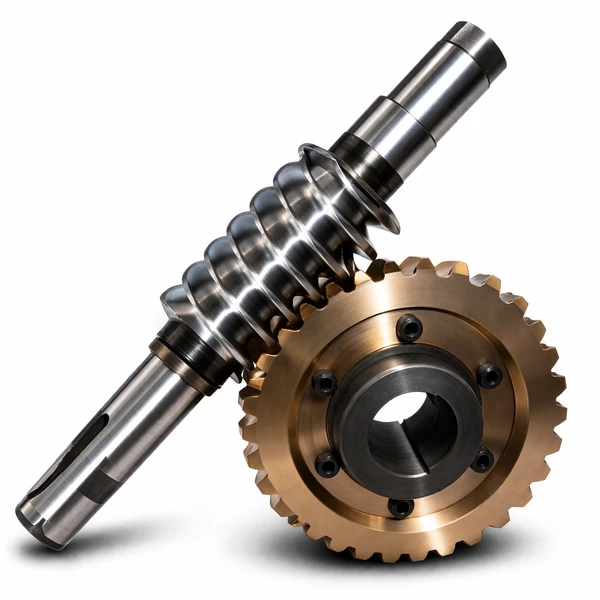
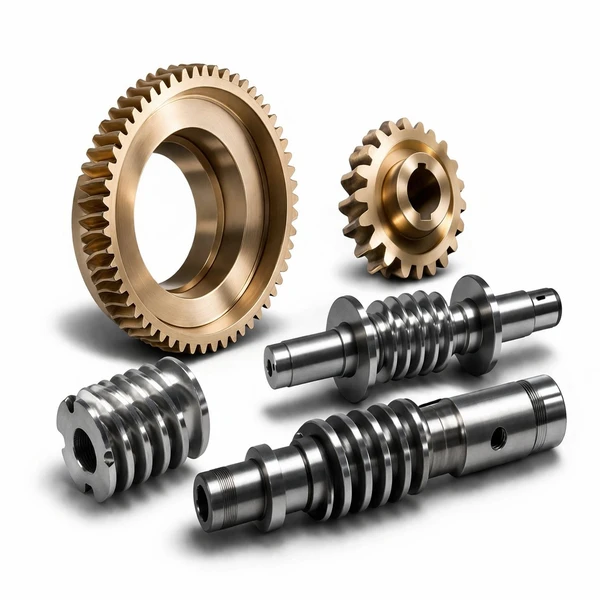
Schneckengetriebeprodukte für die korrekte Montage

Installations-FAQ
Einbau von Schneckengetrieben – Fragen von Maschinenbauingenieuren und -technikern
Erhalten Sie Installationsunterstützung für Ihren Schneckengetriebeantrieb.
Haben Sie Fragen zur Wellenpassung, Ausrichtungstoleranzen, Schmierstoffspezifikation oder zum Inbetriebnahmeverfahren? Kontaktieren Sie die Anwendungstechniker von Korea Ever-Power mit Ihrer Bestellnummer und Ihrer konkreten Frage – bei kritischen Fragen zur Inbetriebnahme erhalten Sie noch am selben Tag eine Antwort.
Herausgeber: Cxm