คำอธิบายผลิตภัณฑ์
The main products are: hobbing cutter, insert shaving tool, broaching tool, spiral bevel gear milling cutter, special-shaped CNC tools, threaded tools and drilling, milling, reaming tools, such as more than 280 varieties. of which hobbing cutter, insert shaving tool, broaching tool, spiral bevel gear milling cutter Regardless of technology innovation, or production capacity and manufacturing level, are the leading position in the same tool industry.
|
ค่าจัดส่ง:
ค่าขนส่งโดยประมาณต่อหน่วย |
อยู่ระหว่างการเจรจา |
|---|
| After-sales Service: | 1 ปี |
|---|---|
| Warranty: | 1 ปี |
| แอปพลิเคชัน: | โลหะ |
| ตัวอย่าง: |
US$ 1188.0/Piece
1 ชิ้น (สั่งขั้นต่ำ) | สั่งซื้อตัวอย่าง According to customer requirements
|
|---|
| การปรับแต่ง: |
มีอยู่
| คำขอที่กำหนดเอง |
|---|
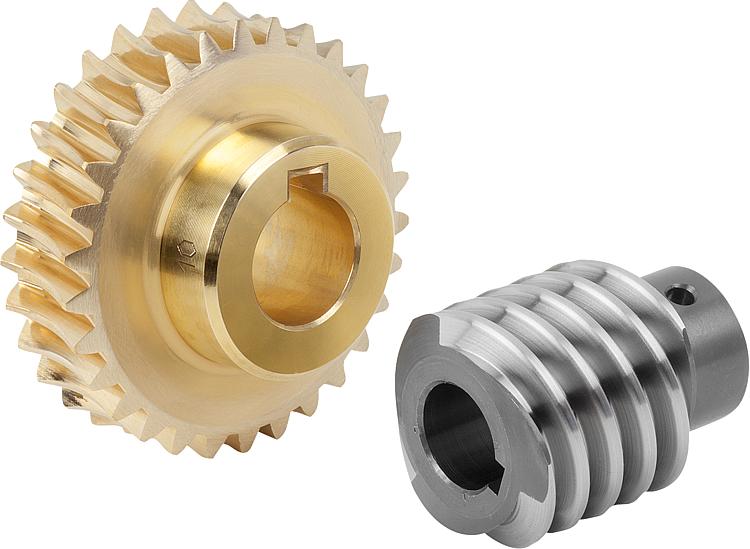
เฟืองตัวหนอนสามารถใช้ในอุปกรณ์การผลิตที่ต้องการความแม่นยำสูงได้หรือไม่?
ใช่แล้ว เฟืองตัวหนอนสามารถใช้ในอุปกรณ์การผลิตที่ต้องการความแม่นยำสูงได้ ต่อไปนี้เป็นคำอธิบายโดยละเอียดเกี่ยวกับการใช้งานในกระบวนการผลิตที่ต้องการความแม่นยำสูง:
1. การควบคุมการเคลื่อนไหวที่แม่นยำ: เฟืองตัวหนอนสามารถควบคุมการเคลื่อนที่ได้อย่างแม่นยำในอุปกรณ์การผลิต การออกแบบของเฟืองตัวหนอนช่วยให้มีอัตราทดเกียร์สูง ซึ่งช่วยให้สามารถปรับแต่งได้อย่างละเอียดและกำหนดตำแหน่งได้อย่างแม่นยำ สิ่งนี้มีประโยชน์อย่างยิ่งในงานที่ต้องการการเคลื่อนที่ที่แม่นยำและทำซ้ำได้ เช่น เครื่องจักร CNC แขนหุ่นยนต์ และเครื่องวัดพิกัด (CMM)
2. การยึดตรึงน้ำหนักและการป้องกันการไหลย้อนกลับ: เฟืองตัวหนอนมีคุณสมบัติล็อคตัวเองได้ หมายความว่าสามารถยึดน้ำหนักไว้ในตำแหน่งได้โดยไม่ต้องใช้เบรกหรือคลัตช์เพิ่มเติม คุณสมบัตินี้เป็นประโยชน์อย่างยิ่งในอุปกรณ์การผลิตที่ต้องการความแม่นยำสูง ซึ่งการยึดตำแหน่งเป็นสิ่งสำคัญ คุณสมบัติการล็อคตัวเองยังช่วยป้องกันการหมุนย้อนกลับ ทำให้มั่นใจได้ถึงเสถียรภาพและความแม่นยำระหว่างการทำงาน
3. ดีไซน์กะทัดรัด: เฟืองตัวหนอนมีดีไซน์ที่กะทัดรัด ซึ่งเป็นประโยชน์อย่างยิ่งในอุปกรณ์การผลิตที่มีพื้นที่จำกัด การจัดเรียงแบบตัวหนอนและล้อตัวหนอนช่วยให้มีขนาดกะทัดเล็ก ทำให้เหมาะสำหรับงานที่มีข้อจำกัดด้านขนาด
4. ระบบส่งกำลังแรงบิดสูง: เฟืองตัวหนอนสามารถส่งแรงบิดสูง ทำให้เหมาะสำหรับอุปกรณ์การผลิตที่ต้องการความแม่นยำสูงและใช้งานหนัก การขบกันของตัวหนอนและล้อเฟืองตัวหนอนทำให้เกิดพื้นที่สัมผัสขนาดใหญ่ ส่งผลให้การส่งกำลังมีประสิทธิภาพและสามารถรับน้ำหนักได้ดี
5. ลดเสียงรบกวนและการสั่นสะเทือน: เฟืองตัวหนอนทำงานด้วยการเคลื่อนที่แบบเลื่อนแทนการเคลื่อนที่แบบหมุน ส่งผลให้ระดับเสียงและการสั่นสะเทือนลดลง คุณลักษณะนี้เป็นประโยชน์ในอุปกรณ์การผลิตที่ต้องการความแม่นยำสูง เนื่องจากช่วยรักษาสภาพแวดล้อมการทำงานที่เงียบกว่าและลดการรบกวนที่อาจส่งผลต่อความแม่นยำของกระบวนการผลิต
6. การหล่อลื่นและการบำรุงรักษา: การหล่อลื่นที่เหมาะสมมีความสำคัญอย่างยิ่งต่อการทำงานที่มีประสิทธิภาพและเชื่อถือได้ของเฟืองตัวหนอนในอุปกรณ์การผลิตที่มีความแม่นยำสูง สารหล่อลื่นช่วยลดแรงเสียดทานและการสึกหรอระหว่างฟันเฟือง ทำให้การเคลื่อนที่ราบรื่นและแม่นยำ ควรปฏิบัติตามตารางการบำรุงรักษาและการหล่อลื่นอย่างสม่ำเสมอเพื่อเพิ่มประสิทธิภาพของเฟืองและยืดอายุการใช้งาน
แม้ว่าเฟืองตัวหนอนจะมีข้อดีหลายประการในอุปกรณ์การผลิตที่ต้องการความแม่นยำสูง แต่สิ่งสำคัญคือต้องพิจารณาข้อกำหนดเฉพาะของงานนั้นๆ ด้วย ปัจจัยต่างๆ เช่น อัตราทดเกียร์ ประสิทธิภาพ ระยะคลอน และสภาวะการทำงาน ควรได้รับการประเมินอย่างรอบคอบเพื่อให้แน่ใจว่าเฟืองตัวหนอนเป็นตัวเลือกที่เหมาะสมสำหรับการบรรลุความแม่นยำและประสิทธิภาพที่ต้องการ
โดยรวมแล้ว เฟืองตัวหนอนสามารถนำไปใช้งานได้อย่างประสบความสำเร็จในอุปกรณ์การผลิตที่ต้องการความแม่นยำสูง ให้การควบคุมการเคลื่อนที่ที่แม่นยำ ความสามารถในการรับน้ำหนัก ขนาดกะทัดรัด และการส่งแรงบิดสูง เมื่อเลือก ติดตั้ง และบำรุงรักษาอย่างเหมาะสม เฟืองตัวหนอนสามารถช่วยเพิ่มความแม่นยำ ความน่าเชื่อถือ และประสิทธิภาพของกระบวนการผลิตที่ต้องการความแม่นยำสูงได้
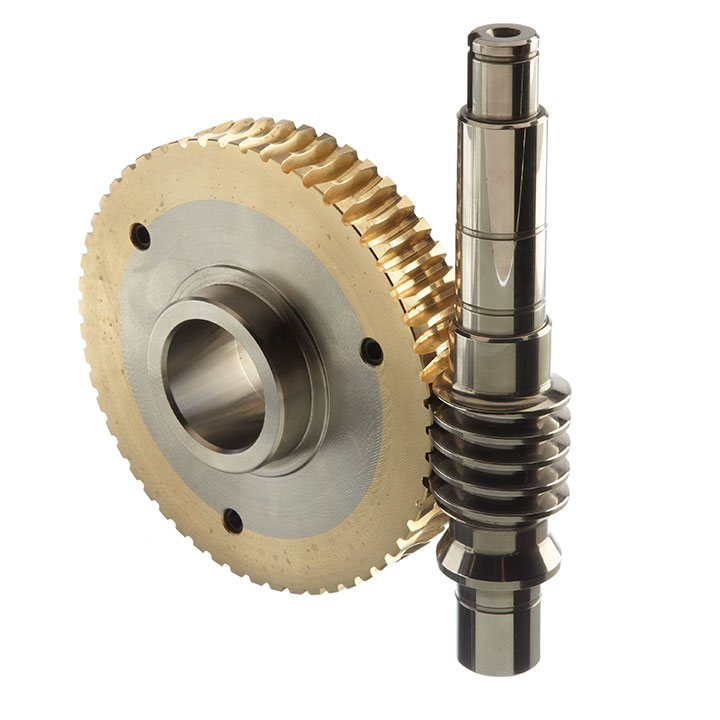
How do you address noise and vibration issues in a worm gear system?
Noise and vibration issues can arise in a worm gear system due to various factors such as misalignment, improper lubrication, gear wear, or resonance. Addressing these issues is important to ensure smooth and quiet operation of the system. Here’s a detailed explanation of how to address noise and vibration issues in a worm gear system:
1. Misalignment correction: Misalignment between the worm and the worm wheel can cause noise and vibration. Ensuring proper alignment of the gears by adjusting their positions and alignment tolerances can help reduce these issues. Precise alignment minimizes tooth contact errors and improves the meshing efficiency, resulting in reduced noise and vibration levels.
2. Lubrication optimization: Inadequate or improper lubrication can lead to increased friction and wear, resulting in noise and vibration. Using the correct lubricant with the appropriate viscosity and additives, and ensuring proper lubrication intervals, can help reduce friction and dampen vibrations. Regular lubricant analysis and replenishment can also prevent excessive wear and maintain optimal performance.
3. Gear inspection and replacement: Wear and damage to the gear teeth can contribute to noise and vibration problems. Regular inspection of the worm gear system allows for early detection of any worn or damaged teeth. Timely replacement of worn gears or damaged components helps maintain the integrity of the gear mesh and reduces noise and vibration levels.
4. Noise reduction measures: Various noise reduction measures can be implemented to minimize noise in a worm gear system. These include using noise-dampening materials or coatings, adding sound insulation or vibration-absorbing pads to the housing, and incorporating noise-reducing features in the gear design, such as profile modifications or helical teeth. These measures help attenuate noise and vibration transmission and improve overall system performance.
5. Resonance mitigation: Resonance, which occurs when the natural frequency of the system matches the excitation frequency, can amplify noise and vibration. To mitigate resonance, design modifications such as changing gear stiffness, altering the system’s natural frequencies, or adding damping elements can be considered. Analytical tools like finite element analysis (FEA) can help identify resonant frequencies and guide the design changes to reduce vibration and noise.
6. Isolation and damping: Isolation and damping techniques can be employed to minimize noise and vibration transmission to the surrounding structures. This can involve using resilient mounts or isolators to separate the gear system from the rest of the equipment or incorporating damping materials or devices within the gear housing to absorb vibrations and reduce noise propagation.
7. Tightening and securing: Loose or improperly tightened components can generate noise and vibration. Ensuring that all fasteners, bearings, and other components are properly tightened and secured eliminates sources of vibration and reduces noise. Regular inspections and maintenance should include checking for loose or worn-out parts and addressing them promptly.
Addressing noise and vibration issues in a worm gear system often requires a systematic approach that considers multiple factors. The specific measures employed may vary depending on the nature of the problem, the operating conditions, and the desired performance objectives. Collaborating with experts in gear design, vibration analysis, or noise control can be beneficial in identifying and implementing effective solutions.
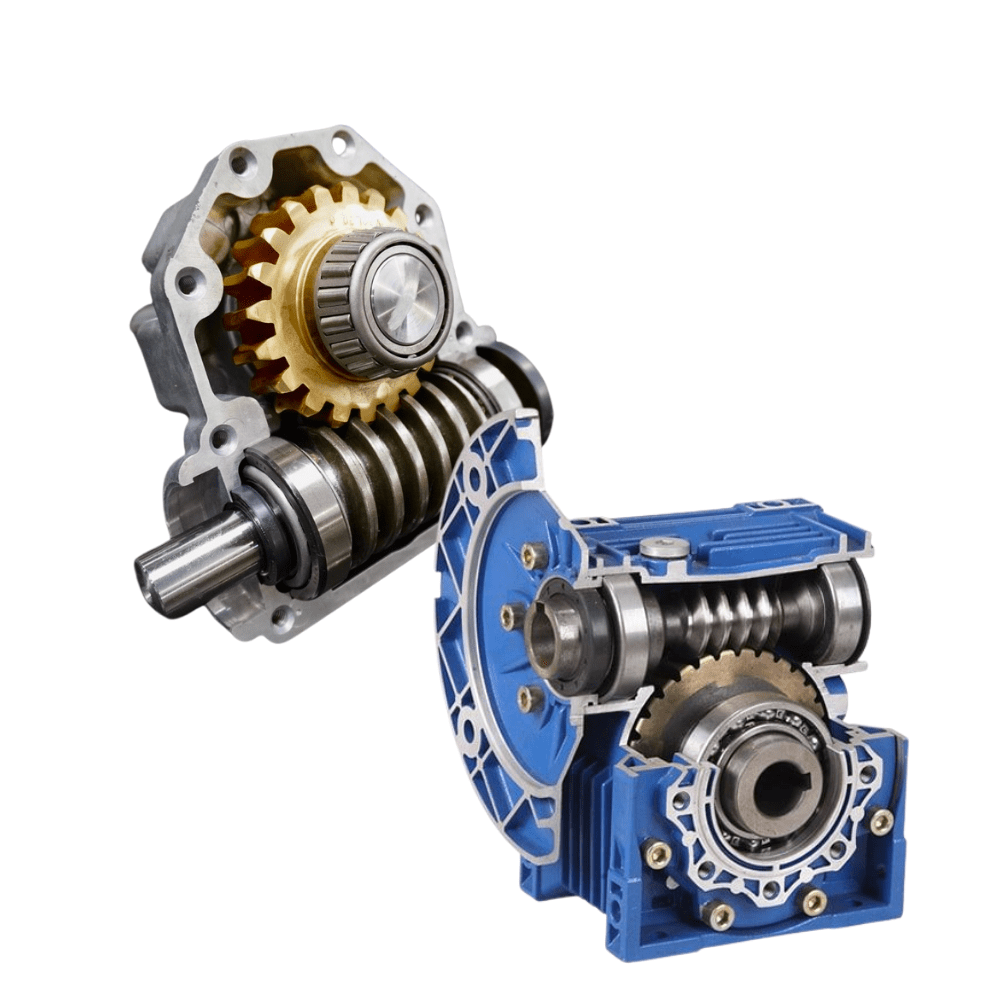
Can you explain the concept of worm and worm wheel in a worm gear?
In a worm gear system, the worm and worm wheel are the two primary components that work together to transmit motion and power. Here’s an explanation of the concept:
Worm:
The worm is a cylindrical shaft with a helical thread wrapped around it. It resembles a screw with a spiral groove. The helical thread is called the worm’s thread or worm thread. The worm is the driving component in the worm gear system.
When the worm rotates, the helical thread engages with the teeth of the worm wheel, causing the worm wheel to rotate. The angle of the helical thread creates a wedging action against the teeth of the worm wheel, resulting in a high gear reduction ratio.
One important characteristic of the worm is its self-locking nature. Due to the angle of the helical thread, the worm can drive the worm wheel, but the reverse is not true. The self-locking feature prevents the worm wheel from backdriving the worm, providing a mechanical brake or holding position in the system.
The worm can be made from various materials such as steel, bronze, or even plastics, depending on the application requirements. It is often mounted on a shaft and supported by bearings for smooth rotation.
Worm Wheel:
The worm wheel, also known as the worm gear, is the driven component in the worm gear system. It is a gear with teeth that mesh with the helical thread of the worm. The teeth on the worm wheel are typically helical and cut to match the angle and pitch of the worm’s thread.
As the worm rotates, its helical thread engages with the teeth of the worm wheel, causing the worm wheel to rotate. The rotation of the worm wheel is in the same direction as the worm’s rotation, but the speed is significantly reduced due to the high gear reduction ratio of the worm gear system.
The worm wheel is usually larger in diameter compared to the worm, allowing for a higher gear reduction ratio. It can be made from materials such as steel, bronze, or cast iron, depending on the application’s torque and durability requirements.
Together, the worm and worm wheel form a compact and efficient gear system that provides high gear reduction and self-locking capabilities. They are commonly used in various applications where precise motion control, high torque, and compactness are required, such as elevators, steering systems, and machine tools.


editor by CX 2023-09-11