Popis produktu
Profil spoločnosti
Workshop
Detailné fotografie
Popis produktu
| Materiál | Alloy Steel, Copper alloy(brass,silicon bronze,phosphor bronze,aluminum bronze,beryllium copper),Stainless Steel,Aluminum,Titanium, Magnesium, Superalloys,Molybdenum, Invar,,Zinc,Tungsten steel,incoloy,Nickel 200,Hastelloy, Inconel,Monel,ABS, PEEK,PTFE,PVC,Acetal. |
| Povrchová úprava | Zn-plating, Ni-plating, Cr-plating, Tin-plating, copper-plating, the wreath oxygen resin spraying, the heat disposing, hot-dip galvanizing, black oxide coating, painting, powdering, color zinc-plated, blue black zinc-plated, rust preventive oil, titanium alloy galvanized, silver plating, plastic, electroplating, anodizing etc. |
| Výrobné zariadenia | CNC machine,automatic lathe machine,CNC milling machine,lasering,tag grinding machine etc. |
| Drawing Format | Pro/E, Auto CAD, CHINAMFG Works, UG, CAD/CAM, PDF |
| Správa vráteného tovaru | S problémom s kvalitou alebo odchýlkou od výkresov |
| Záruka | Výmena zamietnutých produktov na všetky naše náklady |
| Hlavné trhy | Severná Amerika, Južná Amerika, Východná Európa, Západná Európa, Severná Európa, Južná Európa, Ázia |
| Ako objednať | * Pošlete nám výkres alebo vzorku |
| * Vykonávame posúdenie projektu | |
| * Vyrobíme vzorku a po potvrdení nášho návrhu vám ju pošleme | |
| * Potvrdíte vzorku, potom zadáte objednávku a zaplatíte nám zálohu 30% | |
| * Začíname s výrobou | |
| * Keď je tovar hotový, zaplatíte nám zostatok po potvrdení fotografií alebo sledovacích čísel. | |
| * Obchod je ukončený, ďakujem!! |
Kontrola kvality
Balenie a doprava
Recenzie zákazníkov
Často kladené otázky
Q1:What kind of information do you need for quotation?
A: You can provide 2D/3D drawing or send your sample to our factory, then we can make according to your sample.
Q2: Can we CHINAMFG NDA?
A: Sure. We can CHINAMFG the NDA before got your drawings.
Q3: Do you provide sample?
A: Yes, we can provide you sample before mass order.
Q4: How can you ensure the quality?
A: We have profesional QC,IQC, OQC to guarantee the quality.
Q5: Delivery time?
A: For samples genearlly need 25 days. Mass production: around 30~45 days after receipt of deposit (Accurate delivery time
depends on specific items and quantities)
Q6: How about the transportation?
A: You can choose any mode of transportation you want, sea delivery, air delivery or door to door express.
| Aplikácia: | Motor, elektromobily, motocykle, stroje, námorné vozidlá, hračky, poľnohospodárske stroje, auto |
|---|---|
| Tvrdosť: | Skalený povrch zuba |
| Poloha prevodového stupňa: | Vonkajší prevodový stupeň |
| Spôsob výroby: | CNC Machined |
| Tvar ozubenej časti: | Čelné ozubené koleso |
| Materiál: | Nerezová oceľ |
| Vzorky: |
US$ 10 kusov
1 kus (minimálna objednávka) | |
|---|
| Prispôsobenie: |
K dispozícii
| Prispôsobená požiadavka |
|---|
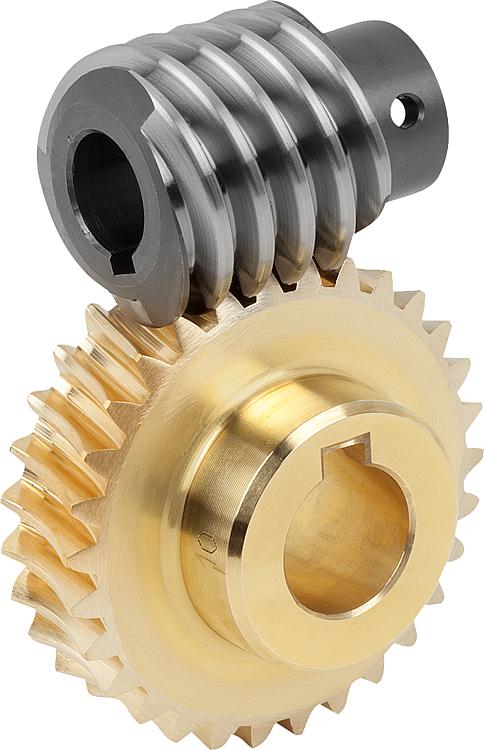
Aká je životnosť typického závitovkového prevodu?
Životnosť typického závitovkového prevodu sa môže líšiť v závislosti od niekoľkých faktorov vrátane kvality materiálov, konštrukcie, prevádzkových podmienok, postupov údržby a konkrétnej aplikácie. Tu je podrobné vysvetlenie faktorov, ktoré ovplyvňujú životnosť závitovkového prevodu:
1. Kvalita materiálov: Výber materiálov použitých pri konštrukcii závitovkového prevodu výrazne ovplyvňuje jeho životnosť. Vysokokvalitné materiály, ako je kalená oceľ alebo bronz, ponúkajú lepšiu odolnosť voči opotrebovaniu a celkovú životnosť v porovnaní s menej kvalitnými materiálmi. Výber vhodných materiálov na základe požiadaviek aplikácie je kľúčový pre dosiahnutie dlhšej životnosti.
2. Úvahy o dizajne: Konštrukcia závitovkového prevodu vrátane faktorov, ako je profil zubov, veľkosť a rozloženie zaťaženia, môže ovplyvniť jeho životnosť. Dobre navrhnuté závitovkové prevody s optimalizovanou geometriou zubov a správnou nosnosťou majú tendenciu mať dlhšiu životnosť. Okrem toho, funkcie, ako sú mazacie systémy a mechanizmy proti spätnému rázu, môžu tiež prispieť k zlepšenej odolnosti a predĺženej životnosti.
3. Prevádzkové podmienky: Prevádzkové podmienky, za ktorých závitovkový prevod pracuje, zohrávajú významnú úlohu pri určovaní jeho životnosti. Faktory, ako je veľkosť zaťaženia, rýchlosť, teplota a podmienky prostredia, môžu ovplyvniť charakteristiky opotrebovania a únavy prevodu. Správne prispôsobenie závitovkového prevodu požiadavkám aplikácie a zabezpečenie jeho prevádzky v rámci stanovených limitov môže pomôcť predĺžiť jeho životnosť.
4. Postupy údržby: Pravidelná údržba a správne mazanie sú nevyhnutné pre maximalizáciu životnosti závitovkového prevodu. Dostatočné mazanie pomáha znižovať trenie, opotrebovanie a tvorbu tepla, čím predlžuje životnosť prevodu. Pravidelné kontroly, dopĺňanie maziva a včasná výmena opotrebovaných alebo poškodených komponentov sú dôležité postupy údržby, ktoré môžu pozitívne ovplyvniť životnosť závitovkového prevodu.
5. Faktory špecifické pre aplikáciu: Konkrétna aplikácia, v ktorej sa závitovkový prevod používa, môže tiež ovplyvniť jeho životnosť. Faktory, ako sú prevádzkové cykly, úrovne krútiaceho momentu, rázové zaťaženia a pracovné cykly, sa medzi jednotlivými aplikáciami líšia a môžu ovplyvniť opotrebovanie a únavu prevodového stupňa. Pochopenie jedinečných požiadaviek a nárokov aplikácie a výber závitovkového prevodu, ktorý je vhodne dimenzovaný a navrhnutý pre tieto podmienky, môže prispieť k dlhšej životnosti.
Vzhľadom na rozdiely v materiáloch, konštrukciách, prevádzkových podmienkach a postupoch údržby je náročné stanoviť konkrétnu životnosť typického závitovkového prevodu. Pri správnom výbere, inštalácii a údržbe však závitovkové prevody môžu mať životnosť od niekoľkých rokov až po desaťročia v závislosti od vyššie uvedených faktorov.
Stojí za zmienku, že monitorovanie výkonu závitovkového prevodu prostredníctvom pravidelných kontrol a riešenie akýchkoľvek známok opotrebovania, poškodenia alebo nadmernej vôle môže pomôcť včas identifikovať potenciálne problémy a predĺžiť životnosť prevodu. Okrem toho, dodržiavanie pokynov a odporúčaní výrobcu týkajúcich sa intervalov údržby, typov mazania a prevádzkových limitov môže významne prispieť k maximalizácii životnosti závitovkového prevodu.
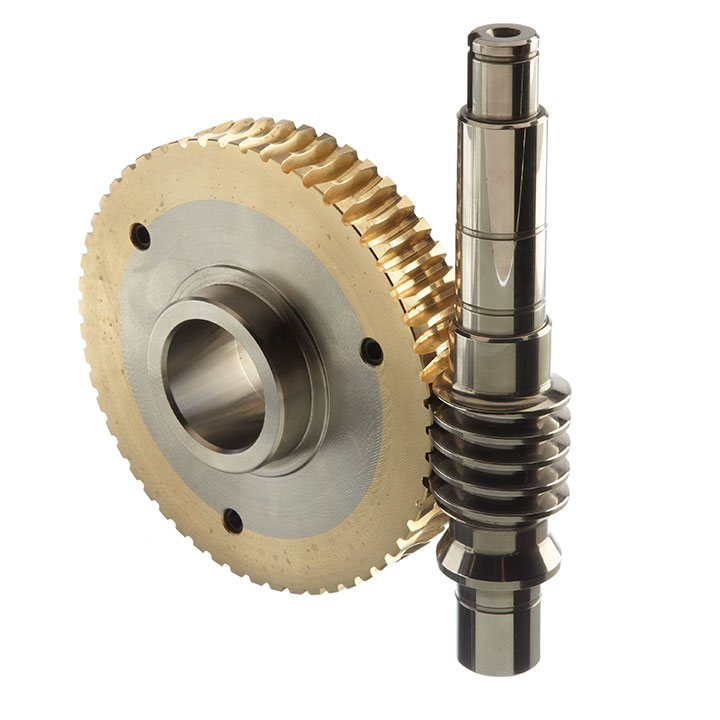
How do you address noise and vibration issues in a worm gear system?
Noise and vibration issues can arise in a worm gear system due to various factors such as misalignment, improper lubrication, gear wear, or resonance. Addressing these issues is important to ensure smooth and quiet operation of the system. Here’s a detailed explanation of how to address noise and vibration issues in a worm gear system:
1. Misalignment correction: Misalignment between the worm and the worm wheel can cause noise and vibration. Ensuring proper alignment of the gears by adjusting their positions and alignment tolerances can help reduce these issues. Precise alignment minimizes tooth contact errors and improves the meshing efficiency, resulting in reduced noise and vibration levels.
2. Lubrication optimization: Inadequate or improper lubrication can lead to increased friction and wear, resulting in noise and vibration. Using the correct lubricant with the appropriate viscosity and additives, and ensuring proper lubrication intervals, can help reduce friction and dampen vibrations. Regular lubricant analysis and replenishment can also prevent excessive wear and maintain optimal performance.
3. Gear inspection and replacement: Wear and damage to the gear teeth can contribute to noise and vibration problems. Regular inspection of the worm gear system allows for early detection of any worn or damaged teeth. Timely replacement of worn gears or damaged components helps maintain the integrity of the gear mesh and reduces noise and vibration levels.
4. Noise reduction measures: Various noise reduction measures can be implemented to minimize noise in a worm gear system. These include using noise-dampening materials or coatings, adding sound insulation or vibration-absorbing pads to the housing, and incorporating noise-reducing features in the gear design, such as profile modifications or helical teeth. These measures help attenuate noise and vibration transmission and improve overall system performance.
5. Resonance mitigation: Resonance, which occurs when the natural frequency of the system matches the excitation frequency, can amplify noise and vibration. To mitigate resonance, design modifications such as changing gear stiffness, altering the system’s natural frequencies, or adding damping elements can be considered. Analytical tools like finite element analysis (FEA) can help identify resonant frequencies and guide the design changes to reduce vibration and noise.
6. Isolation and damping: Isolation and damping techniques can be employed to minimize noise and vibration transmission to the surrounding structures. This can involve using resilient mounts or isolators to separate the gear system from the rest of the equipment or incorporating damping materials or devices within the gear housing to absorb vibrations and reduce noise propagation.
7. Tightening and securing: Loose or improperly tightened components can generate noise and vibration. Ensuring that all fasteners, bearings, and other components are properly tightened and secured eliminates sources of vibration and reduces noise. Regular inspections and maintenance should include checking for loose or worn-out parts and addressing them promptly.
Addressing noise and vibration issues in a worm gear system often requires a systematic approach that considers multiple factors. The specific measures employed may vary depending on the nature of the problem, the operating conditions, and the desired performance objectives. Collaborating with experts in gear design, vibration analysis, or noise control can be beneficial in identifying and implementing effective solutions.
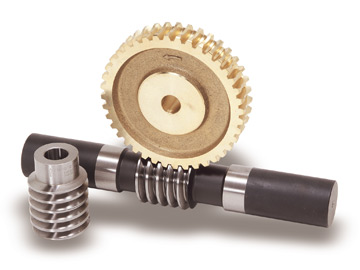
What is the purpose of a self-locking feature in a worm gear?
A self-locking feature in a worm gear serves the purpose of preventing reverse motion or backdriving of the gear system. When a worm gear is self-locking, it means that the worm can rotate the worm wheel, but the reverse action is hindered or restricted, providing a mechanical holding or braking capability. This self-locking feature offers several advantages and is utilized in various applications. Here are the key purposes of the self-locking feature:
- Mechanical Holding: The self-locking capability of a worm gear allows it to hold a specific position or prevent unintended movement when the worm is not actively driving the system. This is particularly useful in applications where it is necessary to maintain a fixed position or prevent the gear from rotating due to external forces or vibrations. Examples include elevators, lifts, and positioning systems.
- Backdriving Prevention: The self-locking feature prevents the worm wheel from driving the worm in the reverse direction. This is advantageous in applications where it is crucial to prevent a load or external force from causing the gear to rotate backward. For instance, in a lifting mechanism, the self-locking feature ensures that the load remains suspended without requiring continuous power input.
- Enhanced Safety: The self-locking property of a worm gear contributes to safety in certain applications. By preventing unintended or undesired motion, it helps maintain stability and reduces the risk of accidents or uncontrolled movement. This is particularly important in scenarios where human safety or the integrity of the system is at stake, such as in heavy machinery or critical infrastructure.
It’s important to note that not all worm gears are self-locking. The self-locking characteristic depends on the design parameters, specifically the helix angle of the worm’s thread. A higher helix angle increases the self-locking tendency, while a lower helix angle reduces or eliminates the self-locking effect. Therefore, when selecting a worm gear for an application that requires the self-locking feature, it is essential to consider the specific design parameters and ensure that the gear meets the necessary requirements.


editor by CX 2023-11-08