Описание продукта
Product introduction
| Modulo | Above 0.8 |
| Numero di Denti | Above 9teeth |
| Angolo d’Elica Helix Angle | Up to 45 |
| bore diameter | Above 6mm |
| axial length | Above 9mm |
| Gear model | Customized gear accoding to customers sample or drawing |
| Processing machine | CNC machine |
| Материал | 20CrMnTi/ 20CrMnMo/ 42CrMo/ 45#steel/ 40Cr/ 20CrNi2MoA/304 stainless steel |
| Heat treattment | Carburizing and quenching/ Tempering/ Nitriding/ Carbonitriding/ Induction hardening |
| Твердость | 35-64HRC |
| Qaulity standerd | GB/ DIN/ JIS/ AGMA |
| Accuracy class | 5-8 class |
| Shipping | Sea shipping/ Air shipping/ Express |
My advantages:
1. High quality materials, professional production, high-precision equipment. Customized design and processing;
2. Strong and durable, strong strength, large torque and good comprehensive mechanical properties;
3. High rotation efficiency, stable and smooth transmission, long service life, noise reduction and shock absorption;
4. Focus on gear processing for 20 years.
5. Carburizing and quenching of tooth surface, strong wear resistance, reliable operation and high bearing capacity;
6. The tooth surface can be ground, and the precision is higher after grinding.
| Твердость: | Затвердевшая поверхность зуба |
|---|---|
| Положение передачи: | Внешнее оборудование |
| Способ изготовления: | Cut Gear |
| Форма зубчатой части: | Цилиндрическая шестерня |
| Материал: | Cast Steel |
| Тип: | Worm And Wormwheel |
| Образцы: |
US$ 10 шт./шт.
1 штука (минимальный заказ) | |
|---|
| Настройка: |
Доступный
| Индивидуальный запрос |
|---|
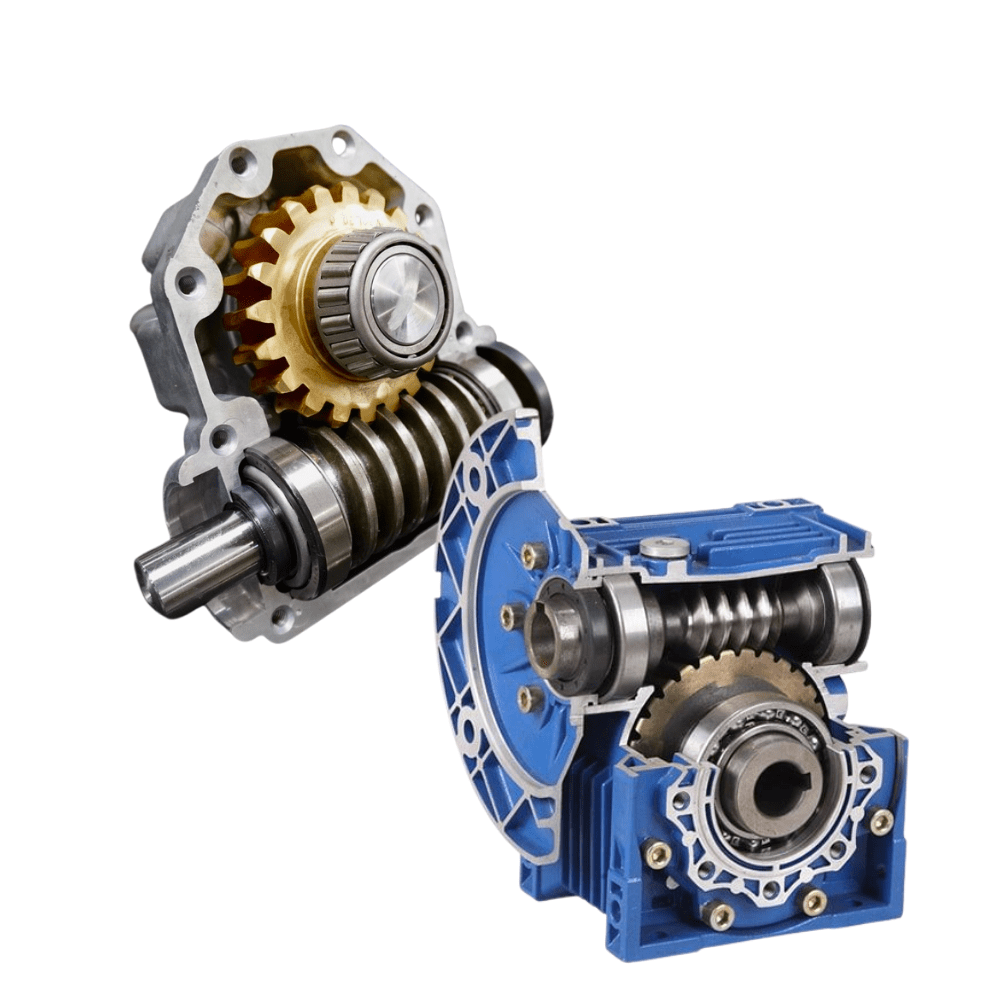
What are the advantages and disadvantages of using a worm gear?
A worm gear offers several advantages and disadvantages that should be considered when selecting it for a specific application. Here’s a detailed explanation of the advantages and disadvantages of using a worm gear:
Advantages of using a worm gear:
- High gear reduction ratio: Worm gears are known for their high gear reduction ratios, which allow for significant speed reduction and torque multiplication. This makes them suitable for applications that require precise motion control and high torque output.
- Compact design: Worm gears have a compact design, making them space-efficient and suitable for applications where size is a constraint. The worm gear’s compactness allows for easy integration into machinery and equipment with limited space.
- Self-locking capability: One of the key advantages of a worm gear is its self-locking property. The angle of the worm thread prevents the reverse rotation of the output shaft, eliminating the need for additional braking mechanisms. This self-locking feature is beneficial for maintaining position and preventing backdriving in applications where holding the load in place is important.
- Quiet operation: Worm gears typically operate with reduced noise levels compared to other gear types. The sliding action between the worm and the worm wheel teeth results in smoother and quieter operation, making them suitable for applications where noise reduction is desired.
- High shock-load resistance: Worm gears have good shock-load resistance due to the sliding contact between the worm and the worm wheel teeth. This makes them suitable for applications that involve sudden or intermittent loads, such as lifting and hoisting equipment.
- Easy installation and maintenance: Worm gears are relatively easy to install and maintain. They often come as a compact unit, requiring minimal assembly. Lubrication maintenance is crucial for optimal performance and longevity, but it is typically straightforward and accessible.
Disadvantages of using a worm gear:
- Lower efficiency: Worm gears tend to have lower mechanical efficiency compared to some other gear types. The sliding action between the worm and the worm wheel teeth generates higher frictional losses, resulting in reduced efficiency. However, efficiency can be improved through careful design, quality manufacturing, and proper lubrication.
- Limited speed capability: Worm gears are not suitable for high-speed applications due to their sliding contact and the potential for heat generation. High speeds can lead to increased friction, wear, and reduced efficiency. However, they excel in low to moderate speed applications where high torque output is required.
- Heat generation: The sliding action between the worm and the worm wheel generates friction, which can result in heat generation. In high-load or continuous-duty applications, this heat buildup can affect the efficiency and longevity of the system. Proper lubrication and heat dissipation measures are necessary to mitigate this issue.
- Less suitable for bidirectional motion: While worm gears offer excellent self-locking capabilities in one direction, they are less efficient and less suitable for bidirectional motion. Reversing the direction of the input or output shaft can lead to increased friction, reduced efficiency, and potential damage to the gear system.
- Lower accuracy in positioning: Worm gears may have lower accuracy in positioning compared to some other gear types, such as precision gear systems. The sliding contact and inherent backlash in worm gears can introduce some degree of positioning error. However, for many applications, the accuracy provided by worm gears is sufficient.
- Potential for wear and backlash: Over time, the sliding action in worm gears can lead to wear and the development of backlash, which is the play or clearance between the worm and the worm wheel teeth. Regular inspection, maintenance, and proper lubrication are necessary to minimize wear and reduce backlash.
When considering the use of a worm gear, it’s essential to evaluate the specific requirements of the application and weigh the advantages against the disadvantages. Factors such as torque requirements, speed limitations, positional stability, space constraints, and overall system efficiency should be taken into account to determine if a worm gear is the right choice.
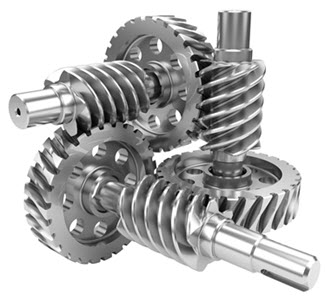
Как обеспечить правильное выравнивание при соединении червячной передачи?
Обеспечение правильного выравнивания при соединении червячной передачи имеет решающее значение для плавной и эффективной работы зубчатой передачи. Ниже приведено подробное описание шагов, необходимых для достижения правильного выравнивания:
- Подготовка к выравниванию: Перед подключением червячной передачи необходимо подготовить компоненты к выравниванию. Это включает в себя очистку сопрягаемых поверхностей шестерни и вала, удаление любых загрязнений и мусора, а также проверку на наличие повреждений или износа, которые могут повлиять на процесс выравнивания.
- Измерение и анализ: Точное измерение и анализ соосности шестерни и вала имеют решающее значение для достижения правильной центровки. Обычно это включает использование прецизионных инструментов центровки, таких как индикаторы часового типа, лазерные системы центровки или оптические приборы для центровки. Эти инструменты помогают измерить относительное положение и углы шестерни и вала и выявить любые отклонения от нормы.
- Регулировка монтажных поверхностей: На основании результатов измерений может потребоваться регулировка для выравнивания монтажных поверхностей шестерни и вала. Это может включать в себя подгонку прокладками или механическую обработку монтажных поверхностей для достижения желаемого выравнивания. Следует позаботиться о том, чтобы регулировки производились равномерно и симметрично для сохранения целостности зубчатой передачи.
- Коррекция выравнивания: После подготовки монтажных поверхностей можно соединить шестерню и вал. В процессе этого важно тщательно выровнять шестерню и вал, чтобы минимизировать перекосы. Это можно сделать, наблюдая за показаниями выравнивания и внося необходимые корректировки. Конкретный метод регулировки может варьироваться в зависимости от типа муфты, используемой для соединения шестерни и вала (например, шпоночная, шлицевая или фланцевая муфта).
- Проверка и окончательная корректировка: После соединения шестерни и вала крайне важно еще раз проверить соосность. Это включает в себя повторное измерение соосности с помощью инструментов для выравнивания, чтобы убедиться в достижении желаемых параметров соосности. Если обнаружены какие-либо отклонения, можно внести окончательные корректировки для точной настройки соосности до получения желаемых показаний.
- Надежное крепление: После достижения необходимой соосности шестерню и вал следует надежно закрепить с помощью соответствующих крепежных элементов и методов затяжки. Важно следовать рекомендациям производителя относительно моментов затяжки и последовательности затяжки, чтобы обеспечить надлежащую силу зажима и предотвратить ослабление или проскальзывание.
Следует отметить, что процесс выравнивания может варьироваться в зависимости от конкретной зубчатой передачи, типа муфты и имеющихся инструментов для выравнивания. Кроме того, важно ознакомиться с рекомендациями и техническими характеристиками производителя для используемой зубчатой передачи и муфты, поскольку они могут содержать конкретные инструкции или требования к выравниванию.
Правильная центровка не должна рассматриваться как разовая задача, а как постоянная практика технического обслуживания. Регулярные проверки и повторная центровка должны проводиться периодически или при появлении признаков смещения, таких как аномальный шум, вибрация или ускоренный износ. Обеспечивая правильную центровку во время первоначального соединения и поддерживая ее на протяжении всего срока службы зубчатой передачи, система может работать оптимально, минимизировать износ и продлить срок ее службы.
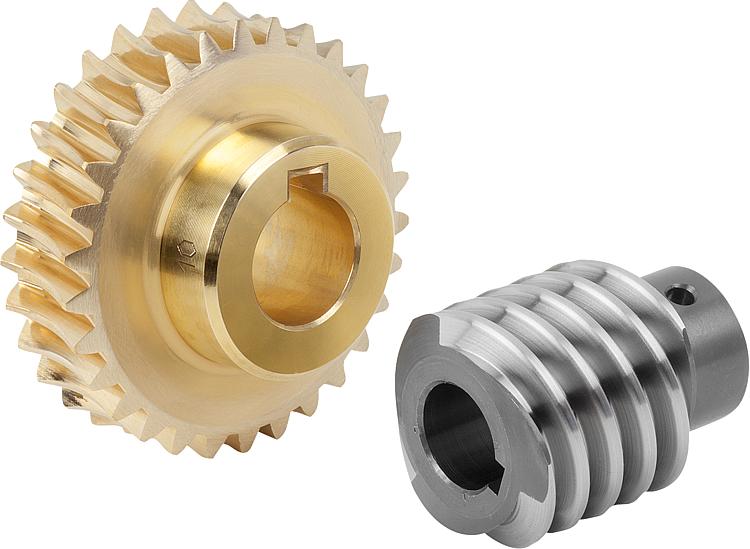
How do you choose the right size worm gear for your application?
Choosing the right size worm gear for your application involves considering several factors to ensure optimal performance and longevity. Here are the key considerations:
Load Requirements:
Determine the maximum load that the worm gear will need to transmit. This includes both the torque (rotational force) and the axial load (force along the axis of the gear). Calculate or estimate the peak and continuous loads that the gear will experience during operation. Consider factors such as shock loads, dynamic forces, and variations in load conditions. This information will help determine the required load-carrying capacity of the worm gear.
Gear Ratio:
Determine the desired gear ratio for your application. The gear ratio determines the speed reduction and torque multiplication provided by the worm gear system. Consider the specific requirements of your application, such as the desired output speed and the torque needed to drive the load. Select a worm gear with a gear ratio that meets your application’s requirements while considering the limitations of the available gear options.
Efficiency:
Consider the efficiency requirements of your application. Worm gears typically have lower efficiency compared to other types of gears due to the sliding action between the worm and worm wheel. If efficiency is critical for your application, choose a worm gear design and materials that offer higher efficiency, such as a double enveloping worm gear.
Space Constraints:
Evaluate the available space for the worm gear assembly in your application. Consider the dimensions of the worm gear, including the diameter, length, and mounting requirements. Ensure that the chosen worm gear can fit within the available space without compromising other components or functionality.
Speed and Operating Conditions:
Consider the operating speed and environmental conditions in which the worm gear will operate. Some worm gears have speed limitations due to factors such as heat generation and lubrication requirements. Ensure that the selected worm gear is suitable for the anticipated speed range and can withstand the temperature, humidity, and other environmental factors of your application.
Manufacturing Standards and Quality:
Select a worm gear that conforms to recognized manufacturing standards and quality requirements. Look for worm gears from reputable manufacturers that offer reliable and durable products. Consider factors such as material quality, surface finish, and precision in the gear manufacturing process.
By carefully evaluating these factors and considering the specific requirements of your application, you can choose the right size worm gear that meets your performance, load, and space requirements, resulting in a reliable and efficient gear system.


editor by CX 2023-09-18