Deskripsi Produk
Why Choose Us
Detail Produk
|
Jenis |
Worm Gear Speed Reducer/ gearbox |
|
Model |
WMRV 25/30/40/50/63/75/90/110/130/150/185 |
|
Perbandingan |
7.5,10,15,20,25,30,40,50,60,80,100. |
|
Warna |
Blue(RAL5571)/Silver grey (K9149) Or On Customer Request |
|
Bahan |
Housing: Aluminum alloy(size 25~90) / Cast iron(size 110~185) |
|
Worm wheel: Aluminum Bronze or Tin Bronze |
|
| Worm shaft: 20CrMn Ti | |
|
Output Shaft: steel-45# |
|
|
Sedang mengemas |
Carton, Honey Comb Carton, Wooden Case with wooden pallet |
| Jaminan | 1 Tahun |
| Input Power | 0.09kw,0.18kw,1.1KW,1.5KW,2.2KW,3KW,4KW,5.5KW,7.5KW,11Kw and so on. |
| Penggunaan | Industrial Machine: Food Stuff, Ceramics, CHEMICAL, Packing, Dyeing,Wood working, Glass. |
| Flensa IEC | IEC standard flange or on customer request |
| Pelumas | Synthetic oil or worm gear oil |
Profil Perusahaan
Pameran
Customized Service
Certificate&Honor
Customer Comments
Pertanyaan yang Sering Diajukan (FAQ)
1. How to choose a gearbox which meets our requirement?
You can refer to our catalogue to choose the gearbox or we can help to choose when you provide
the technical information of required output torque, output speed and motor parameter etc.
2. What information shall we give before placing a purchase order?
a) Type of the gearbox, ratio, input and output type, input flange, mounting position, and motor information etc.
b) Warna rumah.
c) Purchase quantity.
d) Other special requirements.
3. What industries are your gearboxes being used?
Our gearboxes are widely used in the areas of textile, food processing, beverage, chemical industry,
escalator,automatic storage equipment, metallurgy, tabacco, environmental protection, logistics and etc.
4. Do you sell motors?
We have stable motor suppliers who have been cooperating with us for a long-time. They can provide motors
with high quality.
/* 22 Januari 2571 19:08:37 */!function(){function s(e,r){var a,o={};try{e&&e.split(“,”).forEach(function(e,t){e&&(a=e.match(/(.*?):(.*)$/))&&1
| Aplikasi: | Motor, Mesin, Mesin Pertanian |
|---|---|
| Fungsi: | Distribution Power, Speed Changing, Speed Reduction, Speed Increase |
| Tata letak: | Koaksial |
| Contoh: |
US$ 25/Piece
1 Buah (Minimum Pemesanan) | Pesan Sampel |
|---|
| Kustomisasi: |
Tersedia
| Permintaan Khusus |
|---|
.shipping-cost-tm .tm-status-off{background: none;padding:0;color: #1470cc}
|
Biaya Pengiriman:
Perkiraan biaya pengiriman per unit. |
tentang biaya pengiriman dan perkiraan waktu pengiriman. |
|---|
| Metode Pembayaran: |
|
|---|---|
|
Pembayaran Awal Pembayaran Penuh |
| Mata uang: | US$ |
|---|
| Pengembalian & Penggantian: | Anda dapat mengajukan pengembalian dana hingga 30 hari setelah menerima produk. |
|---|
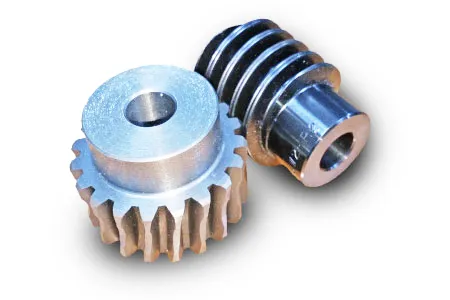
Bisakah Anda memberikan contoh mesin yang menggunakan roda gigi cacing?
Roda gigi cacing digunakan dalam berbagai mesin dan sistem mekanis yang membutuhkan kontrol gerak yang presisi, rasio reduksi gigi yang tinggi, dan kemampuan penguncian otomatis. Berikut beberapa contoh mesin yang umum menggunakan roda gigi cacing:
- Lift: Roda gigi cacing umumnya digunakan dalam sistem lift untuk mengontrol pergerakan vertikal kabin lift. Rasio reduksi gigi yang tinggi yang diberikan oleh roda gigi cacing memungkinkan pengangkatan dan penurunan beban berat secara halus dan terkontrol.
- Sistem konveyor: Roda gigi cacing digunakan dalam sistem konveyor untuk menggerakkan sabuk atau rantai. Sifat penguncian otomatis roda gigi cacing membantu mencegah konveyor berputar balik saat daya dimatikan, memastikan bahwa material atau produk yang diangkut tetap berada di tempatnya.
- Aplikasi otomotif: Roda gigi cacing dapat ditemukan dalam sistem kemudi otomotif. Roda gigi ini sering digunakan dalam kotak roda gigi kemudi untuk mengubah gerakan rotasi roda kemudi menjadi gerakan lateral roda kendaraan. Roda gigi cacing memberikan keuntungan mekanis dan kontrol yang presisi untuk operasi kemudi.
- Mesin penggiling: Roda gigi cacing digunakan pada mesin penggilingan untuk mengontrol pergerakan meja kerja atau spindel. Roda gigi ini menawarkan transmisi torsi tinggi dan pemosisian yang akurat, sehingga memudahkan pemotongan dan pembentukan material secara presisi selama operasi penggilingan.
- Lift dan alat pengangkat: Roda gigi cacing umumnya digunakan pada peralatan pengangkat dan pengerek, seperti derek dan kerekan. Rasio reduksi gigi yang tinggi memungkinkan pengangkatan beban berat dengan usaha minimal, sementara sifat penguncian otomatis mencegah beban turun secara tidak sengaja.
- Aktuator putar: Roda gigi cacing digunakan dalam aktuator putar untuk mengubah gerakan linier menjadi gerakan putar. Roda gigi ini digunakan dalam berbagai aplikasi, termasuk aktuator katup, lengan robot, dan mekanisme pengindeksan, di mana gerakan rotasi yang terkontrol dan presisi diperlukan.
- Mesin pengemas: Roda gigi cacing banyak digunakan pada mesin pengemasan, seperti mesin pengisian dan mesin penutup. Roda gigi ini membantu mengendalikan pergerakan sabuk konveyor, cakram berputar, atau mekanisme cam, sehingga memungkinkan operasi pengemasan yang akurat dan sinkron.
- Mesin cetak: Roda gigi cacing digunakan pada mesin cetak untuk mengontrol pemasukan kertas dan pergerakan pelat cetak. Roda gigi ini memberikan gerakan yang presisi dan konsisten, memastikan registrasi dan penyelarasan gambar yang dicetak secara akurat.
Ini hanyalah beberapa contoh, dan roda gigi cacing dapat ditemukan di banyak aplikasi lain, termasuk peralatan mesin, mesin tekstil, peralatan pengolahan makanan, dan banyak lagi. Karakteristik unik roda gigi cacing membuatnya cocok untuk berbagai industri di mana kontrol gerak, transmisi torsi tinggi, dan kemampuan penguncian otomatis sangat penting.
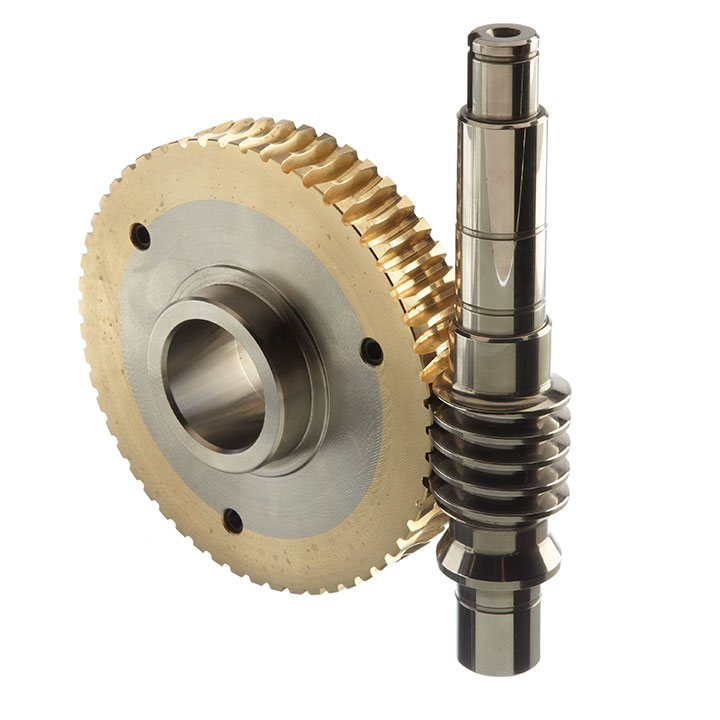
Bagaimana cara mengatasi masalah kebisingan dan getaran pada sistem roda gigi cacing?
Masalah kebisingan dan getaran dapat muncul pada sistem roda gigi cacing karena berbagai faktor seperti ketidaksejajaran, pelumasan yang tidak tepat, keausan roda gigi, atau resonansi. Mengatasi masalah ini penting untuk memastikan pengoperasian sistem yang lancar dan tenang. Berikut penjelasan rinci tentang cara mengatasi masalah kebisingan dan getaran pada sistem roda gigi cacing:
1. Koreksi ketidaksejajaran: Ketidaksejajaran antara ulir cacing dan roda gigi cacing dapat menyebabkan kebisingan dan getaran. Memastikan keselarasan roda gigi yang tepat dengan menyesuaikan posisi dan toleransi keselarasan dapat membantu mengurangi masalah ini. Keselarasan yang tepat meminimalkan kesalahan kontak gigi dan meningkatkan efisiensi penggerakan, sehingga mengurangi tingkat kebisingan dan getaran.
2. Optimalisasi pelumasan: Pelumasan yang tidak memadai atau tidak tepat dapat menyebabkan peningkatan gesekan dan keausan, yang mengakibatkan kebisingan dan getaran. Menggunakan pelumas yang tepat dengan viskositas dan aditif yang sesuai, serta memastikan interval pelumasan yang tepat, dapat membantu mengurangi gesekan dan meredam getaran. Analisis dan penggantian pelumas secara berkala juga dapat mencegah keausan berlebihan dan mempertahankan kinerja optimal.
3. Inspeksi dan penggantian roda gigi: Keausan dan kerusakan pada gigi roda gigi dapat menyebabkan masalah kebisingan dan getaran. Inspeksi rutin pada sistem roda gigi cacing memungkinkan deteksi dini gigi yang aus atau rusak. Penggantian tepat waktu roda gigi yang aus atau komponen yang rusak membantu menjaga integritas jalinan roda gigi dan mengurangi tingkat kebisingan dan getaran.
4. Langkah-langkah pengurangan kebisingan: Berbagai langkah pengurangan kebisingan dapat diterapkan untuk meminimalkan kebisingan dalam sistem roda gigi cacing. Langkah-langkah ini meliputi penggunaan material atau lapisan peredam kebisingan, penambahan insulasi suara atau bantalan penyerap getaran pada rumah roda gigi, dan penggabungan fitur peredam kebisingan dalam desain roda gigi, seperti modifikasi profil atau gigi heliks. Langkah-langkah ini membantu mengurangi transmisi kebisingan dan getaran serta meningkatkan kinerja sistem secara keseluruhan.
5. Mitigasi resonansi: Resonansi, yang terjadi ketika frekuensi alami sistem sesuai dengan frekuensi eksitasi, dapat memperkuat kebisingan dan getaran. Untuk mengurangi resonansi, modifikasi desain seperti mengubah kekakuan roda gigi, mengubah frekuensi alami sistem, atau menambahkan elemen peredam dapat dipertimbangkan. Alat analisis seperti analisis elemen hingga (FEA) dapat membantu mengidentifikasi frekuensi resonansi dan memandu perubahan desain untuk mengurangi getaran dan kebisingan.
6. Isolasi dan peredaman: Teknik isolasi dan peredaman dapat digunakan untuk meminimalkan transmisi kebisingan dan getaran ke struktur di sekitarnya. Hal ini dapat melibatkan penggunaan dudukan atau isolator yang elastis untuk memisahkan sistem roda gigi dari bagian peralatan lainnya, atau menggabungkan material atau perangkat peredam di dalam rumah roda gigi untuk menyerap getaran dan mengurangi penyebaran kebisingan.
7. Mengencangkan dan mengamankan: Komponen yang longgar atau tidak dikencangkan dengan benar dapat menimbulkan kebisingan dan getaran. Memastikan semua pengencang, bantalan, dan komponen lainnya dikencangkan dan diamankan dengan benar akan menghilangkan sumber getaran dan mengurangi kebisingan. Inspeksi dan perawatan rutin harus mencakup pemeriksaan bagian yang longgar atau aus dan segera memperbaikinya.
Mengatasi masalah kebisingan dan getaran pada sistem roda gigi cacing seringkali membutuhkan pendekatan sistematis yang mempertimbangkan berbagai faktor. Langkah-langkah spesifik yang diterapkan dapat bervariasi tergantung pada sifat masalah, kondisi operasi, dan tujuan kinerja yang diinginkan. Berkolaborasi dengan para ahli dalam desain roda gigi, analisis getaran, atau pengendalian kebisingan dapat bermanfaat dalam mengidentifikasi dan menerapkan solusi yang efektif.
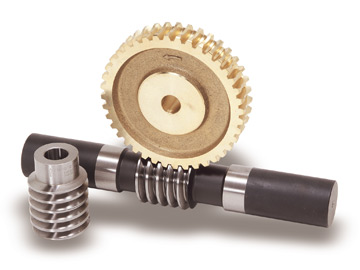
Apa tujuan dari fitur penguncian otomatis pada roda gigi cacing?
Fitur penguncian otomatis pada roda gigi cacing berfungsi untuk mencegah gerakan balik atau putaran mundur pada sistem roda gigi. Ketika roda gigi cacing memiliki penguncian otomatis, artinya cacing dapat memutar roda gigi cacing, tetapi gerakan baliknya terhambat atau dibatasi, sehingga memberikan kemampuan penahan atau pengereman mekanis. Fitur penguncian otomatis ini menawarkan beberapa keuntungan dan digunakan dalam berbagai aplikasi. Berikut adalah tujuan utama dari fitur penguncian otomatis:
- Penahan Mekanis: Kemampuan penguncian otomatis pada roda gigi cacing memungkinkan roda gigi tersebut untuk mempertahankan posisi tertentu atau mencegah pergerakan yang tidak diinginkan ketika cacing tidak secara aktif menggerakkan sistem. Hal ini sangat berguna dalam aplikasi di mana diperlukan untuk mempertahankan posisi tetap atau mencegah roda gigi berputar karena gaya eksternal atau getaran. Contohnya termasuk elevator, lift, dan sistem pemosisian.
- Pencegahan Mengemudi Mundur: Fitur penguncian otomatis mencegah roda gigi cacing berputar ke arah sebaliknya. Ini menguntungkan dalam aplikasi di mana sangat penting untuk mencegah beban atau gaya eksternal menyebabkan roda gigi berputar mundur. Misalnya, dalam mekanisme pengangkat, fitur penguncian otomatis memastikan bahwa beban tetap tergantung tanpa memerlukan input daya terus menerus.
- Keamanan yang Ditingkatkan: Sifat penguncian otomatis pada roda gigi cacing berkontribusi pada keselamatan dalam aplikasi tertentu. Dengan mencegah gerakan yang tidak disengaja atau tidak diinginkan, hal ini membantu menjaga stabilitas dan mengurangi risiko kecelakaan atau gerakan yang tidak terkendali. Ini sangat penting dalam skenario di mana keselamatan manusia atau integritas sistem dipertaruhkan, seperti pada mesin berat atau infrastruktur penting.
Penting untuk dicatat bahwa tidak semua roda gigi cacing bersifat mengunci sendiri. Karakteristik penguncian sendiri bergantung pada parameter desain, khususnya sudut heliks ulir cacing. Sudut heliks yang lebih tinggi meningkatkan kecenderungan penguncian sendiri, sedangkan sudut heliks yang lebih rendah mengurangi atau menghilangkan efek penguncian sendiri. Oleh karena itu, ketika memilih roda gigi cacing untuk aplikasi yang membutuhkan fitur penguncian sendiri, sangat penting untuk mempertimbangkan parameter desain spesifik dan memastikan bahwa roda gigi tersebut memenuhi persyaratan yang diperlukan.


editor by CX 2024-03-26