제품 설명
1.Convenient to adjust
2.Wide range of ratio
3.Easy to install
4.high torque
Application Industries:
Our SWL series screw jacks are widely used in the industries such as metallurgy,mining,hoisting and transportation, electrical
power,energy source,constrction and building material,light industry and traffice industry
Screw Jacks in construction
Often found in climbing mechanism of construction,the screw jacks use physical means to raise and lower loads, which typically range from 5 tons to 30 tons. A screw jack is a common type of mechanical jack, which works via a motor and gearbox by an operator. A screw uses the shape of its threads to raise or lower the load, or a traveling nut does the lifting while the screw turns in place. Mechanical jacks are self-locking(not for ball screw), which means that when power is removed from the jack, the screw stays in place until power resumes. This setup makes mechanical jacks safer than their hydraulic counterparts, because users don’t have to fear a loss of power. The main components of screw jacks are; trapezoidal lifting screw also known as lead screw, worm screw, worm gear and gear housing. A worm screw is rotated manually or by a motor. With the rotation of the worm gear, the lead screw in it moves upwards or downwards linearly. The feed rate of the screw depends on the turning speed, the number of teeth of the gears and the size of the screw pitch. In some models of jackscrews, The lifting screw does not move up and down. It only rotates around its axis. A lifting nut (also known as a travelling nut) moves along the lead screw. The lifting nut of the screw jack is made of bronze to decrease friction.
제품 매개변수
|
MODEL |
|
SWL2.5 |
SWL5 |
SWL10 |
SWL15 |
SWL20 |
SWL25 |
SWL35 |
|
Maximum lifting force (kN) |
|
25 |
50 |
100 |
150 |
200 |
250 |
350 |
|
Screw thread size |
|
Tr30*6 |
Tr40*7 |
Tr58*12 |
Tr58*12 |
Tr65*12 |
Tr90*16 |
Tr100*20 |
|
Maximum tension (kN) |
|
25 |
50 |
99 |
166 |
250 |
350 |
|
|
Worm gear ratio (mm) |
피 |
1/6 |
1/8 |
3/23 |
1/8 |
3/32 |
3/32 |
|
|
|
M |
1/24 |
1/24 |
1/24 |
1/24 |
1/32 |
1/32 |
|
|
Worm non rotating stroke (mm) |
피 |
1.0 |
0.875 |
1.565 |
1.56 |
1.5 |
1.875 |
|
|
M |
0.250 |
0.292 |
0.5 |
0.5 |
0.5 |
0.625 |
||
|
Maximum elongation of screw rod under tensile load (mm) |
|
1500 |
2000 |
2500 |
3000 |
3500 |
4000 |
|
|
Maximum lifting height at maximum pressure load (mm) |
The head of the screw rod is not guided |
250 |
385 |
500 |
400 |
490 |
850 |
820 |
|
Lead screw head guide |
400 |
770 |
1000 |
800 |
980 |
1700 |
1640 |
|
|
Worm torque at full load(N.m) |
피 |
18 |
39.5 |
119 |
179 |
240 |
366 |
464 |
|
M |
8.86 |
19.8 |
60 |
90 |
122 |
217 |
253 |
|
|
efficiency(%) |
피 |
22 |
23 |
20.5 |
|
19.5 |
16 |
18 |
|
M |
11 |
11.5 |
13 |
|
12.8 |
9 |
11 |
|
|
Weight without stroke(kg) |
|
7.3 |
16.2 |
25 |
|
36 |
70.5 |
87 |
|
Weight of screw rod per 100mm(kg) |
|
0.45 |
0.82 |
1.67 |
|
2.15 |
4.15 |
5.20 |
상세 사진
SWL Series worm screw Jack:
1.The elevator is a combination of turbine pair and trapezoid screw rod to complete the lifting and lowering of objects. 2.Compact structure, light weight, safety and reliability, long service life, convenient installation
3.Self-locking function in the static state.
|
1. screw rod |
2. nut bolt |
3. cover |
4.Skeleton oil seal |
5.Bearing |
|
6.Worm gear |
7.Oil filling hole |
8.Case |
9.Skeleton oil seal |
10.Cover |
|
11. nut bolt |
12.Bearing |
13.Skeleton oil seal |
14.Bearing |
15.worm |
|
16.Flat key |
17.Bearing |
18.Skeleton oil seal |
19.Cover |
20.Nut bolt |
제품 설명
관련 상품
포장 및 배송
회사 소개
/* 2571년 1월 22일 19:08:37 */!function(){function s(e,r){var a,o={};try{e&&e.split(“,”).forEach(function(e,t){e&&(a=e.match(/(.*?):(.*)$/))&&1
| Standard or Nonstandard: | Nonstandard |
|---|---|
| 애플리케이션: | Textile Machinery, Garment Machinery, Conveyer Equipment, Electric Cars, Motorcycle, Food Machinery, Marine, Mining Equipment, Agricultural Machinery, Car |
| Customized Support: | OEM, ODM, Obm |
| 브랜드명: | Beiji or Customized |
| Certificate: | ISO9001:2008 |
| Structures: | Worm Gear and Worm |
| 샘플: |
US$ 50/Piece
1개 (최소 주문 수량) | |
|---|
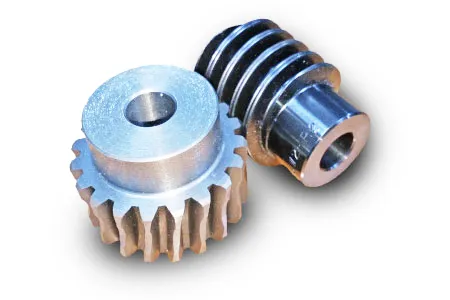
Can you provide examples of machinery that use worm gears?
Worm gears are utilized in various machinery and mechanical systems where precise motion control, high gear reduction ratios, and self-locking capabilities are required. Here are some examples of machinery that commonly use worm gears:
- Elevators: Worm gears are commonly employed in elevator systems to control the vertical movement of the elevator car. The high gear reduction ratio provided by worm gears allows for smooth and controlled lifting and lowering of heavy loads.
- Conveyor systems: Worm gears are used in conveyor systems to drive the movement of belts or chains. The self-locking nature of worm gears helps prevent the conveyor from back-driving when the power is turned off, ensuring that the materials or products being transported stay in place.
- Automotive applications: Worm gears can be found in automotive steering systems. They are often used in the steering gearboxes to convert the rotational motion of the steering wheel into lateral movement of the vehicle’s wheels. Worm gears provide mechanical advantage and precise control for steering operations.
- Milling machines: Worm gears are utilized in milling machines to control the movement of the worktable or the spindle. They offer high torque transmission and accurate positioning, facilitating precise cutting and shaping of materials during milling operations.
- Lifts and hoists: Worm gears are commonly employed in lifting and hoisting equipment, such as cranes and winches. Their high gear reduction ratio allows for the lifting of heavy loads with minimal effort, while the self-locking property prevents the load from descending unintentionally.
- Rotary actuators: Worm gears are used in rotary actuators to convert linear motion into rotary motion. They are employed in various applications, including valve actuators, robotic arms, and indexing mechanisms, where controlled and precise rotational movement is required.
- Packaging machinery: Worm gears find application in packaging machinery, such as filling machines and capping machines. They assist in controlling the movement of conveyor belts, rotating discs, or cam mechanisms, enabling accurate and synchronized packaging operations.
- Printing presses: Worm gears are utilized in printing presses to control the paper feed and the movement of the printing plates. They provide precise and consistent motion, ensuring accurate registration and alignment of the printed images.
These are just a few examples, and worm gears can be found in many other applications, including machine tools, textile machinery, food processing equipment, and more. The unique characteristics of worm gears make them suitable for various industries where motion control, high torque transmission, and self-locking capabilities are essential.
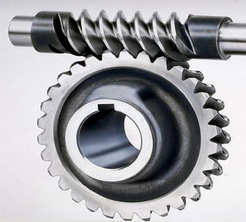
웜 기어를 사용할 때 환경적인 고려 사항은 무엇입니까?
웜 기어를 사용할 때는 몇 가지 환경적 고려 사항을 염두에 두어야 합니다. 다음은 이러한 고려 사항에 대한 자세한 설명입니다.
- 매끄럽게 하기: 웜 기어의 효율적이고 안정적인 작동을 위해서는 적절한 윤활이 필수적입니다. 윤활유는 기어 톱니 사이의 마찰과 마모를 줄여 효율을 향상시키고 기어 수명을 연장시켜 줍니다. 윤활유를 선택할 때는 환경에 미치는 영향을 고려하는 것이 중요합니다. 생분해성 윤활유나 독성이 낮은 합성 윤활유와 같은 친환경 윤활유를 사용하면 누출이나 유출 사고 발생 시 환경에 미치는 잠재적 피해를 최소화할 수 있습니다.
- 누출 및 오염: 웜 기어 시스템은 윤활유 누출에 취약하며, 이는 환경 오염을 유발할 수 있습니다. 윤활유가 환경으로 누출되는 것을 방지하기 위해서는 기어 하우징의 밀봉 상태를 철저히 확인하는 것이 중요합니다. 정기적인 점검 및 유지보수를 통해 누출을 조기에 발견하고 수리해야 합니다. 또한, 먼지, 오물, 물과 같은 오염물질이 기어 시스템에 유입되지 않도록 주의해야 합니다. 이러한 오염물질은 윤활유를 변질시키고 기어 성능을 저하시킬 수 있습니다.
- 에너지 효율: 웜 기어는 다른 기계식 동력 전달 시스템과 마찬가지로 작동 중에 에너지를 소비합니다. 따라서 웜 기어 시스템을 선택하고 설계할 때는 에너지 효율을 고려하는 것이 중요합니다. 최적의 기어 설계, 적절한 기어 선택, 그리고 효율적인 윤활은 에너지 소비를 줄이고 에너지 사용과 관련된 환경적 영향을 최소화하는 데 기여할 수 있습니다.
- 소음 및 진동: 웜 기어는 작동 중에 소음과 진동을 발생시킬 수 있습니다. 과도한 소음은 소음 공해를 유발할 수 있으며, 높은 진동 수준은 주변 장비 및 구조물에 악영향을 미칠 수 있습니다. 이러한 영향을 줄이기 위해서는 소음과 진동이 적은 웜 기어를 설계하고 제조하는 것이 중요합니다. 이를 위해서는 세심한 기어 설계, 적절한 윤활, 그리고 진동 감쇠 재료 또는 메커니즘의 사용이 필요합니다.
- 제품 수명 종료 시 고려 사항: 웜 기어 부품은 수명이 다하면 교체하거나 재활용해야 할 수 있습니다. 마모된 기어는 관련 환경 규정에 따라 폐기해야 합니다. 가능한 한 기어 부품을 재활용하거나 재사용하면 폐기물을 줄이고 기어 재료 폐기와 관련된 환경 영향을 최소화할 수 있습니다.
- 환경 규제: 웜 기어를 사용할 때는 환경 규정 및 기준을 준수하는 것이 매우 중요합니다. 지역마다 윤활유, 재료, 기어 시스템과 관련된 제조 공정의 사용 및 폐기에 관한 특정 규정이 있을 수 있습니다. 이러한 규정을 숙지하고 준수하여 환경에 부정적인 영향을 미치거나 법적 문제를 예방하는 것이 중요합니다.
이러한 환경적 요인들을 고려함으로써 웜 기어 시스템의 생태 발자국을 최소화하고 사용 및 유지보수에 있어 지속 가능한 관행을 촉진할 수 있습니다. 여기에는 환경 친화적인 윤활유 선택, 적절한 밀봉 및 유지보수 절차 시행, 에너지 효율 최적화, 관련 환경 규정 준수 등이 포함됩니다.
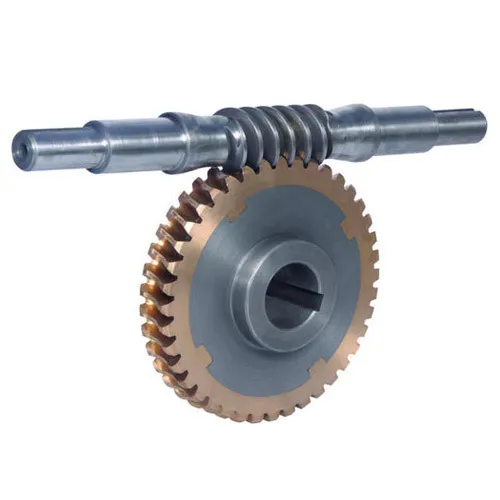
Are there different types of worm gears available?
Yes, there are different types of worm gears available to suit various applications and requirements. Here are some of the commonly used types:
Single Enveloping Worm Gear:
The single enveloping worm gear, also known as a cylindrical worm gear, has cylindrical teeth on the worm wheel that mesh with the helical thread of the worm. The teeth of the worm wheel wrap around the worm in a single enveloping manner. This design provides better contact and load distribution, resulting in higher load-carrying capacity and smoother operation. Single enveloping worm gears are commonly used in heavy-duty applications where high torque transmission is required.
Double Enveloping Worm Gear:
The double enveloping worm gear is a specialized type of worm gear that provides even greater load-carrying capacity compared to the single enveloping design. In a double enveloping worm gear, both the worm and the worm wheel have curved tooth profiles. The teeth of the worm wrap around the worm wheel while the teeth of the worm wheel wrap around the worm. This double enveloping action increases the contact area, improves load distribution, and enhances the gear’s efficiency. Double enveloping worm gears are used in applications that demand high torque and precision, such as aerospace and defense industries.
Non-enveloping Worm Gear:
The non-enveloping worm gear, also known as a non-throated worm gear, has a worm wheel with teeth that do not fully wrap around the worm. Instead, the worm wheel has straight or slightly curved teeth that engage with the helical thread of the worm. Non-enveloping worm gears are simpler in design and less expensive to manufacture compared to enveloping worm gears. They are commonly used in applications with moderate loads and where cost is a consideration.
Self-locking Worm Gear:
Self-locking worm gears are designed with a specific helix angle of the worm’s thread to provide a self-locking effect. This means that when the worm is not actively driving the worm wheel, the worm wheel is prevented from rotating backward and can hold its position securely. Self-locking worm gears find applications in systems where holding position or preventing backdriving is crucial, such as elevators, lifts, and certain industrial machinery.
These are just a few examples of the different types of worm gears available. The choice of worm gear type depends on factors such as the application requirements, load capacity, efficiency, and cost considerations.


editor by Dream 2024-04-19