製品説明
OEM MACHINING CUSTOMIZED WORM AND WORM GEAR
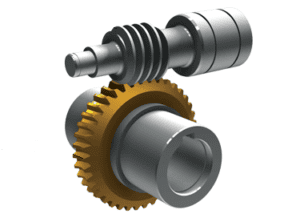
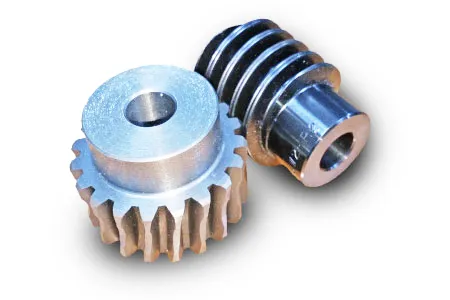
A worm gear is a spiral thread simial to a thread on a bolt. The worm gear engages a bevel gear, as the worm gear turns its threads push the teeth of the bevel gear cauing the bevel gear to rotate.
The thread angle is such that only the worm gear may be truned to drive th larger gear. If the larger gear is attempted to be turned the teeth of teh bevel gear just jame against the worm gear keeping the larger gear locked in position.
This means that a worm gear only lets power flow in 1 direction from the worm to the gear but not the other way around.
Product Specifications:
| 材料 | S45C, SUS303, FC200,CAC702, SCM440, Polyacetal, Brass, Plastic etc. ,Acetal/Delrin,Alloy, Brass, Bronze, Carbon Steel, Ductile Iron, Gray Cast Iron, Nylon, Plastic, Phenolic, Polycarbonate, Polyester, Stainless Steel etc. |
| Modulus | 0.5-8 |
| Accuracy | DIN Class 6, ISO/GB Class 6, AGMA Class 13, JIS Class 2 |
| 標準 | DIN、ISO/GB、AGMA、JIS |
| 熱処理 | Quenching and tempering, gear teeth induction quenching, nitriding, carburizing |
| 応用 | automotive, electronics, textiles, printing, packaging, medical equipment, food processing ,wind power, chemical, and pneumatics |
Capabilities of Worm Gears
| タイプ | Worm | Worm wheel |
| モジュール | 0.5~6 | 0.5~8 |
| 圧力角 | 14.5°, 20° or as required. | |
| No. of threads or reduction ratio | Single thread~Triple thread | 10~60 |
| 材料 | S45C, SUS303, FC200,CAC702, SCM440, Polyacetal, Brass, Plastic etc. | |
| 熱処理 | Thermal refined, gear teeth induction hardened | |
| Tooth surface finish | Milling, Ground | Hobbing |
| 精度 | DIN6-DIN10 | DIN8-DIN10 |
| Name | OEM MACHINING CUSTOMIZED WORM AND WORM GEAR |
| 材料 | Stainless, steel,iron,brass, aluminum alloy,carbon steel, alloy steel,magnesium alloy, red brass or follow your samples & drawings on materials. |
| 許容範囲 | ± 0.03% |
| Inspection | 100% inspection before shipment. |
| プロセス | PM/MIM/CNC/DIE-CASTING/STAMPING/HOBBING |
| Surface treatment | E-coating,electroplating and black oxygen, anodizing,polish,sandblasting,heat treatment ,Nickel plating Zinc plating, Chrome plating, Oxidation. Anodization etc |
| 応用 | auto,lock system,power tool,electric appliance,communication appliance,household appliance,medical equipment,entertainment systems or other machine |
| Weekly capacity | 5000pcs |
| 最小注文数量 | 100pcs |
| サンプル | Samples are available before bulk orders for quality satisfaction. |
| Packing: | Carton, Wooden Case or according to your requirement. |
| Payment terms | T/T, PAYPAL,CASH |
| Lead time: | Samples are within 15 days after the receipt of the deposit. Production will be finished about 25~30 days after samples confirmation. |
| Shipment: | Express, you can get the sample within 3~8days |
| Toothed Portion Shape: Bevel Wheel: | Changes Way: Stepless |
|---|---|
| Transport Package: | Carton Box with Wooden Case |
| 仕様: | ISO9001 |
| Trademark: | JDSY |
| Origin: | 中国 |
| カスタマイズ: |
利用可能
| カスタマイズされたリクエスト |
|---|
How do you maintain and service a worm gear?
Maintaining and servicing a worm gear is essential to ensure its optimal performance, reliability, and longevity. Regular maintenance helps identify and address potential issues before they escalate, minimizes wear, and extends the lifespan of the gear system. Here are some key steps involved in maintaining and servicing a worm gear:
- Inspection: Conduct routine visual inspections of the worm gear system to check for any signs of wear, damage, or misalignment. Inspect the gear teeth, bearings, housings, and lubrication system. Look for indications of excessive wear, pitting, chipping, or abnormal noise during operation.
- Lubrication: Ensure that the worm gear system is properly lubricated according to the manufacturer’s recommendations. Regularly check the lubricant levels, cleanliness, and viscosity. Monitor and maintain the lubrication system, including oil reservoirs, filters, and seals. Replace the lubricant at recommended intervals or if it becomes contaminated or degraded.
- Tighten fasteners: Over time, vibrations and operational forces can cause fasteners to loosen. Regularly check and tighten any bolts, screws, or clamps associated with the worm gear system. Be cautious not to overtighten, as it may lead to distortion or damage to the gear components.
- Alignment: Check the alignment of the worm gear system periodically. Misalignment can cause excessive wear, increased friction, and reduced efficiency. Adjust and realign the gears if necessary to ensure proper meshing and minimize backlash.
- Cleaning: Keep the worm gear system clean and free from debris, dirt, or contaminants. Regularly remove any accumulated dirt or particles that may affect the gear performance. Use appropriate cleaning methods and solvents that are compatible with the gear materials.
- Load monitoring: Monitor the load conditions of the worm gear system. Ensure that the gear is not operating beyond its rated capacity or encountering excessive shock loads. If needed, consider implementing load monitoring devices or systems to prevent overloading and protect the gear system.
- Periodic inspection and testing: Schedule periodic comprehensive inspections and functional testing of the worm gear system. This may involve disassembling components, checking for wear, measuring gear backlash, and evaluating overall performance. Identify and address any issues promptly to prevent further damage or failure.
- Professional servicing: For complex or critical applications, it may be beneficial to involve a professional service provider or gear specialist for more extensive maintenance or repairs. They can offer expertise in diagnosing issues, performing advanced inspections, and conducting specialized repairs or replacements.
It’s important to follow the manufacturer’s recommendations and guidelines for maintaining and servicing the specific worm gear system. Adhering to proper maintenance practices helps ensure the gear’s optimal performance, reduces the risk of unexpected failures, and maximizes its operational lifespan.
ウォームギアの効率はどのように計算しますか?
ウォームギアの効率を計算するには、動作中に発生する動力損失を分析する必要があります。以下にその手順を詳しく説明します。
ウォームギアシステムの効率は、出力電力と入力電力の比として定義されます。言い換えれば、入力(ウォーム)から出力(ウォームホイール)へ大きな損失なく伝達される電力の割合を表します。効率を計算するには、通常、以下の手順に従います。
- 入力電力を測定する: ウォームギアシステムへの入力電力を測定します。これは、電力計を使用するか、ウォームシャフトの入力トルクと回転速度を測定することによって行うことができます。入力電力は通常、Pinで表されます。
- 出力電力の測定: ウォームギアシステムの出力パワーを測定します。これは、ウォームホイールの出力トルクと回転速度を測定することで行えます。出力パワーは通常、Poutと表記されます。
- 電力損失を計算する: ウォームギアシステム内で発生する動力損失を特定します。これらの損失は、以下のようなさまざまなカテゴリに分類できます。
- 機械的損失: これらの損失は、歯車の歯間の摩擦、滑り接触、およびその他の機械部品によって発生します。損失は、歯車の設計、材料、潤滑、製造品質などの要因に基づいて推定できます。
- ベアリング損失: ウォームギアは通常、シャフトを支え、摩擦を低減するためにベアリングを組み込んでいます。ベアリングの損失は、ベアリングの種類、サイズ、および運転条件に基づいて推定できます。
- 潤滑損失: 潤滑不足や潤滑油の分配不良は、さらなる損失につながる可能性があります。これらの損失を最小限に抑えるためには、適切な潤滑油の選定とメンテナンスが不可欠です。
- 効率を計算する: 電力損失が判明したら、次の式を用いて効率を計算できます。
効率 = (出力 / ピン) * 100%
効率はパーセンテージで表され、入力電力のうち出力に正常に伝達される割合を示します。効率値が高いほど、損失が少なく、より効率的なギアシステムであることを意味します。
ウォームギアの効率は、ギアの設計、材質、潤滑、運転条件、製造品質などの要因によって変動する可能性があることに注意が必要です。さらに、運転速度やトルクレベルによっても効率は変化する可能性があります。したがって、これらの要因を考慮し、特定のギアシステムのパラメータと運転条件に基づいて効率計算を行うことをお勧めします。
Can you explain the concept of worm and worm wheel in a worm gear?
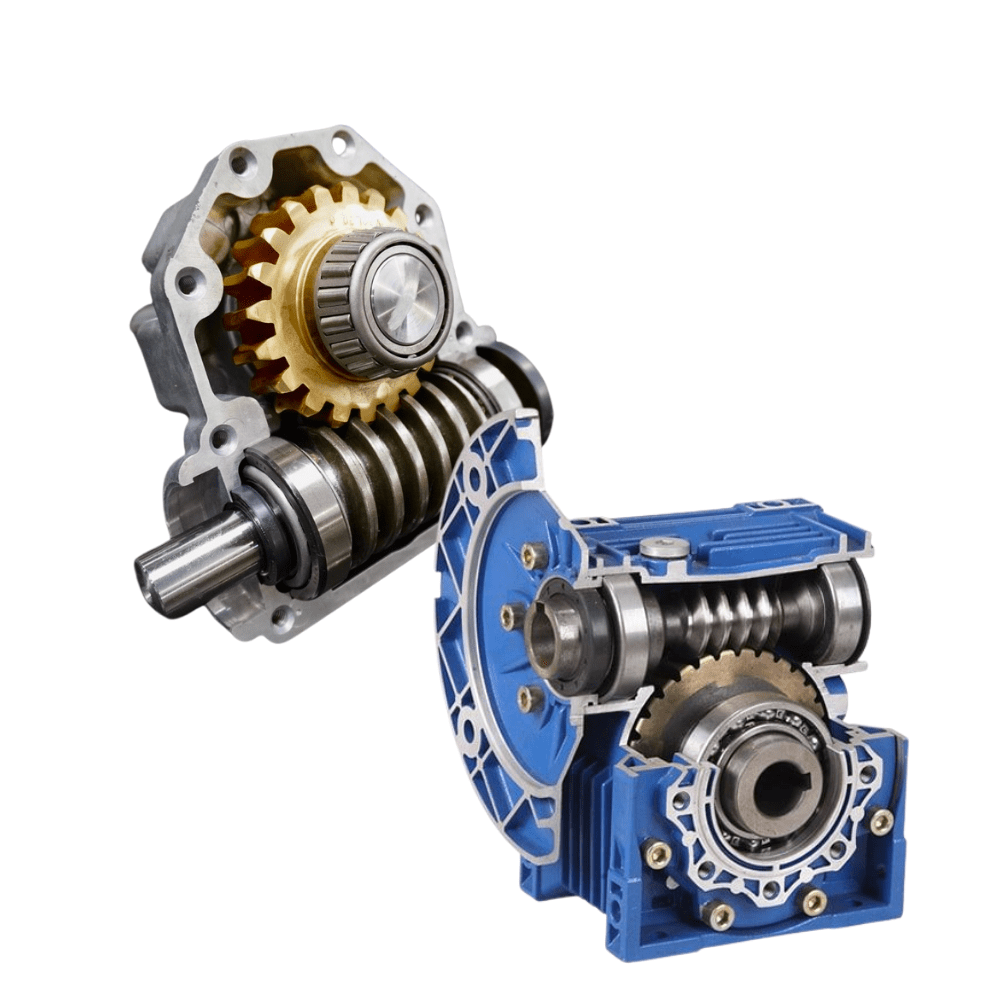
In a worm gear system, the worm and worm wheel are the two primary components that work together to transmit motion and power. Here’s an explanation of the concept:
Worm:
The worm is a cylindrical shaft with a helical thread wrapped around it. It resembles a screw with a spiral groove. The helical thread is called the worm’s thread or worm thread. The worm is the driving component in the worm gear system.
When the worm rotates, the helical thread engages with the teeth of the worm wheel, causing the worm wheel to rotate. The angle of the helical thread creates a wedging action against the teeth of the worm wheel, resulting in a high gear reduction ratio.
One important characteristic of the worm is its self-locking nature. Due to the angle of the helical thread, the worm can drive the worm wheel, but the reverse is not true. The self-locking feature prevents the worm wheel from backdriving the worm, providing a mechanical brake or holding position in the system.
The worm can be made from various materials such as steel, bronze, or even plastics, depending on the application requirements. It is often mounted on a shaft and supported by bearings for smooth rotation.
Worm Wheel:
The worm wheel, also known as the worm gear, is the driven component in the worm gear system. It is a gear with teeth that mesh with the helical thread of the worm. The teeth on the worm wheel are typically helical and cut to match the angle and pitch of the worm’s thread.
As the worm rotates, its helical thread engages with the teeth of the worm wheel, causing the worm wheel to rotate. The rotation of the worm wheel is in the same direction as the worm’s rotation, but the speed is significantly reduced due to the high gear reduction ratio of the worm gear system.
The worm wheel is usually larger in diameter compared to the worm, allowing for a higher gear reduction ratio. It can be made from materials such as steel, bronze, or cast iron, depending on the application’s torque and durability requirements.
Together, the worm and worm wheel form a compact and efficient gear system that provides high gear reduction and self-locking capabilities. They are commonly used in various applications where precise motion control, high torque, and compactness are required, such as elevators, steering systems, and machine tools.


editor by CX 2023-10-07