製品説明
製品説明
Worm and gear mechanism used to transmit motion and power between 2 staggered shaft.; The worm wheel and the worm are equivalent to the gear and the rack in the middle plane,; the worm is similar to the shape of the screw.; Worm gearing is equivalent to screw drive,; multi tooth meshing transmission,; so the transmission is stable,; noise is very small.;
| アイテム | Machining parts | |||||
| certification | SGS,;ISO9001,;RoHS | |||||
| Machining equipments | CNC center,; CNC milling machine,; CNC turning machine,; CNC lathes,; lathe,; 4 axis machine etc.; | |||||
| 材料 | Aluminum,; Steel,; Stainless steel,; Brass,; Copper,; Bronze,; ABS,; PC,; PO,; POM,; Nylon,; Teflon etc.; | |||||
| 表面仕上げ | Anodize,; Plating,; Brushing,; Polishing,; Blackened,; Powder coating,; Sandblasting,; Laser engraving etc.; | |||||
| Inspection Equipment | CMM,; Projection,; Calipers,; Micro caliper,; Thread Micro caliper,; Pin gauge,; Caliper gauge,; Pass meter,; Pass meter etc.; | |||||
| Drawing format | PDF,;dwg,;etc.; | |||||
| ステンレス鋼 | SS201,;301,; 304,; 316,; 17-4PH,; SS303,; SSs304,; SS316 etc.; | ||||
| 鋼鉄 | Q235,; 20#,; 45# 40cr 416Stainless iron etc.; | ||||
| 真鍮 | H59 H68 H80 H90 | ||||
| Bronze | C51000,; C52100,; C54400,; etc.; | ||||
| アルミニウム | 6082,; 6061,; A380,; Al6061,; Al6063,; AL7075,; AL5052 etc.; | ||||
| プラスチック | ABS,; PC,; POM,; Delrin,; Nylon,; Teflon,; PP etc.; | ||||
| 標準規格か非標準規格か: | 非標準 |
|---|---|
| 応用: | Textile Machinery, Garment Machinery, Conveyer Equipment, Packaging Machinery, Electric Cars, Motorcycle, Food Machinery, Marine, Mining Equipment, Agricultural Machinery |
| 螺旋線: | 右回転 |
| 頭: | シングルヘッド |
| 基準面: | Cylindrical Surface |
| 認証: | SGS,ISO9001,RoHS |
| カスタマイズ: |
利用可能
| カスタマイズされたリクエスト |
|---|
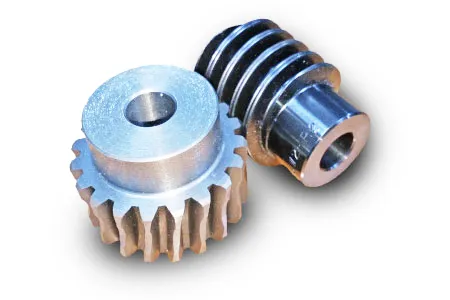
ウォームギアを使用している機械の例を挙げてもらえますか?
ウォームギアは、精密な動作制御、高い減速比、およびセルフロック機能が求められる様々な機械や機械システムで利用されています。ウォームギアが一般的に使用されている機械の例をいくつか挙げます。
- エレベーター: ウォームギアは、エレベーターかごの垂直方向の動きを制御するために、エレベーターシステムで一般的に使用されています。ウォームギアによる高い減速比により、重い荷物をスムーズかつ制御された状態で昇降させることができます。
- コンベアシステム: ウォームギアは、コンベアシステムにおいてベルトやチェーンの動きを駆動するために使用されます。ウォームギアの自己ロック機構により、電源が切れた際にコンベアが逆回転するのを防ぎ、搬送される材料や製品が所定の位置に留まるようにします。
- 自動車用途: ウォームギアは自動車のステアリングシステムに用いられています。ステアリングギアボックス内で、ステアリングホイールの回転運動を車両の車輪の横方向の動きに変換する役割を担っています。ウォームギアは、ステアリング操作において機械的な利点と精密な制御を提供します。
- フライス盤: ウォームギアは、フライス盤において作業台や主軸の動きを制御するために使用されます。ウォームギアは高トルク伝達と正確な位置決めを可能にし、フライス加工における材料の精密な切削や成形を容易にします。
- リフトとホイスト: ウォームギアは、クレーンやウインチなどの昇降装置に広く用いられています。高い減速比により、最小限の力で重い荷物を持ち上げることができ、また、セルフロック機能により、荷物が意図せず落下するのを防ぎます。
- 回転アクチュエータ: ウォームギアは、回転アクチュエータにおいて直線運動を回転運動に変換するために使用されます。バルブアクチュエータ、ロボットアーム、インデックス機構など、制御された精密な回転運動が求められる様々な用途で用いられています。
- 包装機械: ウォームギアは、充填機やキャッピング機などの包装機械に広く用いられています。コンベアベルト、回転ディスク、カム機構などの動きを制御することで、正確かつ同期のとれた包装作業を実現します。
- 印刷機: ウォームギアは、印刷機において用紙の送り出しと印刷版の動きを制御するために使用されます。ウォームギアは正確で安定した動きを提供し、印刷画像の正確な位置合わせと整列を保証します。
これらはほんの一例であり、ウォームギアは工作機械、繊維機械、食品加工機器など、その他多くの用途で使用されています。ウォームギアの独自の特性により、モーションコントロール、高トルク伝達、およびセルフロック機能が不可欠な様々な産業に適しています。
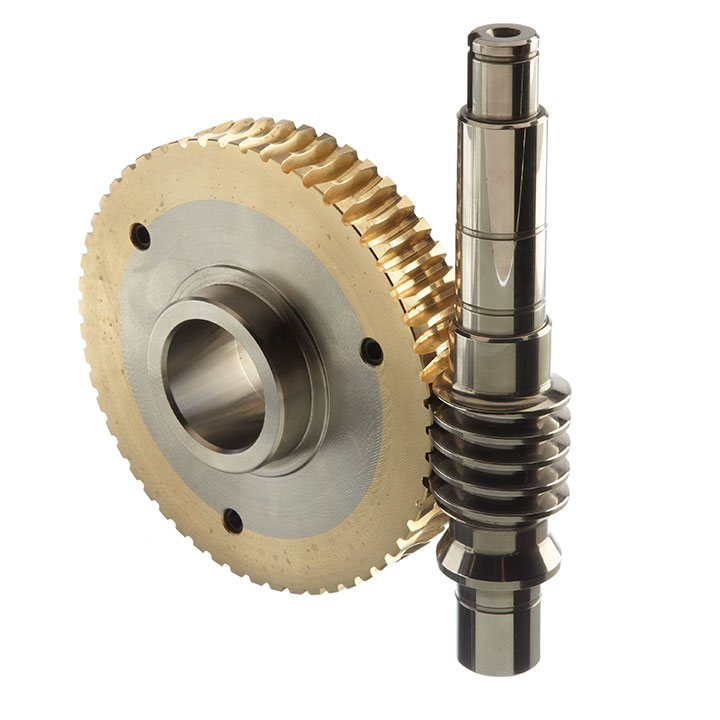
ウォームギアシステムにおける騒音と振動の問題に、どのように対処すればよいでしょうか?
ウォームギアシステムでは、ミスアライメント、不適切な潤滑、ギアの摩耗、共振など、さまざまな要因により騒音や振動の問題が発生する可能性があります。これらの問題に対処することは、システムのスムーズで静かな動作を確保するために重要です。ウォームギアシステムの騒音と振動の問題に対処する方法について、以下に詳しく説明します。
1. 位置ずれの補正: ウォームとウォームホイールのずれは、騒音や振動の原因となります。ギアの位置とアライメント公差を調整して適切なアライメントを確保することで、これらの問題を軽減できます。正確なアライメントは歯の接触誤差を最小限に抑え、噛み合い効率を向上させるため、騒音と振動レベルを低減します。
2. 潤滑最適化: 潤滑が不十分または不適切だと、摩擦や摩耗が増加し、騒音や振動の原因となります。適切な粘度と添加剤を含む正しい潤滑剤を使用し、適切な潤滑間隔を確保することで、摩擦を低減し、振動を抑制することができます。また、潤滑剤の定期的な分析と補充は、過度の摩耗を防ぎ、最適な性能を維持するのに役立ちます。
3. ギアの点検と交換: 歯車の歯の摩耗や損傷は、騒音や振動の原因となります。ウォームギアシステムの定期的な点検により、摩耗や損傷した歯を早期に発見できます。摩耗した歯車や損傷した部品を適時に交換することで、歯車のかみ合いの健全性を維持し、騒音や振動レベルを低減できます。
4. 騒音低減対策: ウォームギアシステムの騒音を最小限に抑えるために、さまざまな騒音低減対策を実施できます。これには、防音材やコーティングの使用、ハウジングへの遮音材や振動吸収パッドの追加、ギア設計における騒音低減機能の組み込み(歯形変更やらせん歯など)が含まれます。これらの対策は、騒音や振動の伝達を抑制し、システム全体の性能向上に役立ちます。
5. 共鳴緩和策: 共振とは、システムの固有振動数が励振周波数と一致するときに発生する現象で、騒音や振動を増幅させる可能性があります。共振を軽減するには、ギアの剛性の変更、システムの固有振動数の変更、減衰要素の追加といった設計変更が考えられます。有限要素解析(FEA)などの解析ツールは、共振周波数を特定し、振動や騒音を低減するための設計変更を導くのに役立ちます。
6. 遮音と制振: 周囲の構造物への騒音や振動の伝達を最小限に抑えるために、遮音・制振技術を用いることができる。これには、ギアシステムを他の機器から分離するために弾性マウントやアイソレーターを使用したり、ギアハウジング内に制振材や制振装置を組み込んで振動を吸収し、騒音の伝播を低減したりすることが含まれる。
7. 締め付けと固定: 緩んでいたり、締め付けが不十分な部品は、騒音や振動の原因となります。すべての締結部品、ベアリング、その他の部品が適切に締め付けられ、固定されていることを確認することで、振動源を排除し、騒音を低減できます。定期的な点検とメンテナンスでは、緩んでいる部品や摩耗した部品がないかを確認し、速やかに対処する必要があります。
ウォームギアシステムの騒音や振動の問題に対処するには、多くの場合、複数の要因を考慮した体系的なアプローチが必要です。具体的な対策は、問題の性質、運転条件、および求められる性能目標によって異なります。ギア設計、振動解析、または騒音制御の専門家と協力することで、効果的な解決策を特定し、実施する上で有益となります。
ウォームギアの用途は何ですか?
ウォームギアは、ねじ山のあるウォームと、ウォームホイールまたはウォームギアと呼ばれる噛み合うギアで構成されるギア機構の一種です。高い減速比とコンパクトなサイズが求められる様々な用途で広く使用されています。ウォームギアの具体的な用途をいくつかご紹介します。
- エレベーターとリフト: ウォームギアは、エレベーターやリフトシステムに広く使用されています。重い荷物を持ち上げるために必要な減速比を提供しながら、スムーズで制御された垂直方向の動きを維持します。
- ステアリングシステム: ウォームギアは自動車のステアリングシステムによく用いられています。ステアリングホイールの回転運動を、車両の車輪を回転させるために必要な直線運動に変換する役割を果たします。
- コンベア: ウォームギアはコンベアシステム、特に傾斜した角度で材料を搬送する必要がある用途で用いられます。効率的な材料搬送に必要なトルクと制御性能を提供します。
- 工作機械: ウォームギアは、フライス盤、旋盤、研削盤などの工作機械に使用されます。ウォームギアを使用することで、機械の回転速度と送り速度を精密に制御でき、高精度な加工が可能になります。
- 包装機器: ウォームギアは、包装機械においてコンベアベルト、回転テーブル、充填機構など様々な部品を駆動するために利用されています。これにより、包装工程の同期と効率化が実現されます。
- 回転アクチュエータ: ウォームギアは、ロボット工学、産業オートメーション、バルブ制御などに使用される回転アクチュエータに応用されています。回転運動において、高精度な位置決めとトルク出力を実現します。
- 繊維機械: ウォームギアは、糸巻き取り、織機機構、生地張力調整などの用途で繊維機械に用いられています。ウォームギアは、糸や生地のスムーズで制御された動きを保証します。
- 昇降機構: ウォームギアは、ステージプラットフォーム、シザーリフト、高さ調節可能な作業台などに見られる昇降機構に使用されます。ウォームギアは、高い耐荷重性を備えながら、制御された垂直方向の動きを可能にします。
これらはウォームギアの用途のほんの一例です。高い減速比、コンパクトなサイズ、セルフロック機能といった独自の特性により、ウォームギアは幅広い産業や機械システムに適しています。


editor by CX 2023-09-12