Descripción del Producto
WPA Right Angle Foot Mounted CHINAMFG Shaft Cast Iron Worm Gear Speed Reduktor
Features
1. Compact structure and simple assembly;
2. Wide speed ranges and high torque;
3. Low noise, good sealing performance, high efficiency;
4. Stable and safe, long lifetime, universal;
5. Multi-structure, various assembling methods
Fotos detalladas
Parámetros del producto
| ANG WP Worm Speed Reductor | |
| Modelo | WPA WPS WPDA WPDS WPO WPX… |
| Tamaño | 40-250(single stage) |
| Input power | 0.12kw ~ 33kw |
| Input speed | 750rpm ~ 2000rpm |
| Relación de reducción | 1/10 ~ 1/60(single stage) |
| Input motor | AC (1 phase or 3 phase) / DC motor |
| par de salida | 6-6050Nm |
| Install type | Foot / CHINAMFG shaft / Hollow shaft… |
| Material of housing | Die-cast iron |
| Solicitud | Food Stuff, Ceramics, Chemical, Packing, Dyeing, Woodworking, Glass, etc. |
Nuestras ventajas
Certificaciones
Preguntas frecuentes
Preguntas frecuentes
Q: Can you make the gear unit with customization?
A: Yes, we can customize per your request, like flange, shaft, configuration, material, etc.
Q: Do you provide samples?
A: Yes. The sample is available for testing.
Q: What is your MOQ?
A: It is 10pcs for the beginning of our business.
Q: What’s your lead time?
A: Standard products need 5-30days, a bit longer for customized products.
Q: Do you provide technical support?
A: Yes. Our company have design and development team, we can provide technical support if you
need.
Q: How to ship to us?
A: It is available by air, or by sea, or by train.
Q: How to pay the money?
A: T/T and L/C are preferred, with a different currency, including USD, EUR, RMB, etc.
Q: How can I know the product is suitable for me?
A: >1ST confirm drawing and specification >2nd test sample >3rd start mass production.
Q: Can I come to your company to visit?
A: Yes, you are welcome to visit us at any time.
Q: How shall we contact you?
A: You can send an inquiry directly, and we will respond within 24 hours. /* January 22, 2571 19:08:37 */!function(){function s(e,r){var a,o={};try{e&&e.split(“,”).forEach(function(e,t){e&&(a=e.match(/(.*?):(.*)$/))&&1
| Solicitud: | Machinery |
|---|---|
| Dureza: | Superficie dentada endurecida |
| Instalación: | Tipo horizontal |
| Muestras: |
US$ 50/Piece
1 unidad (pedido mínimo) | Solicitar muestra |
|---|
| Personalización: |
Disponible
| Solicitud personalizada |
|---|
.shipping-cost-tm .tm-status-off{background: none;padding:0;color: #1470cc}
| Costo de envío:
Coste estimado por unidad. |
about shipping cost and estimated delivery time. |
|---|
| Payment Method: |
|
|---|---|
|
Initial Payment Full Payment |
| Currency: | US$ |
|---|
| Return&refunds: | You can apply for a refund up to 30 days after receipt of the products. |
|---|
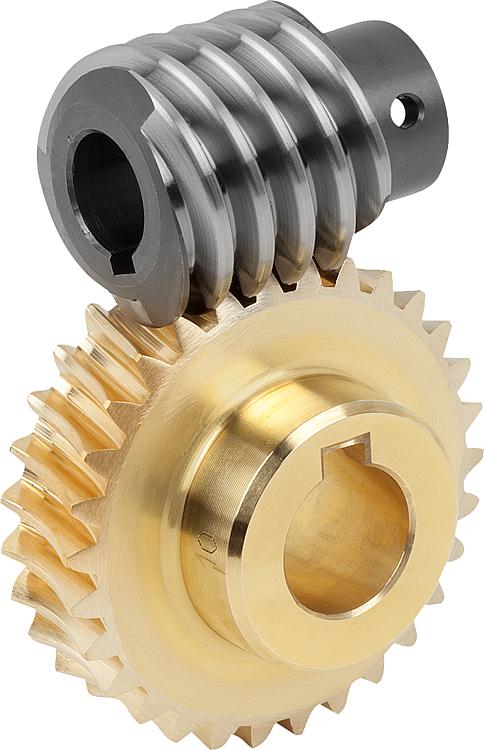
¿Cuál es la vida útil de un engranaje helicoidal típico?
La vida útil de un engranaje helicoidal típico puede variar según diversos factores, como la calidad de los materiales, el diseño, las condiciones de funcionamiento, las prácticas de mantenimiento y la aplicación específica. A continuación, se presenta una explicación detallada de los factores que influyen en la vida útil de un engranaje helicoidal:
1. Calidad de los materiales: La elección de los materiales utilizados en la fabricación del engranaje helicoidal influye considerablemente en su vida útil. Los materiales de alta calidad, como el acero endurecido o el bronce, ofrecen mayor durabilidad, resistencia al desgaste y una vida útil más prolongada en comparación con los materiales de menor calidad. La selección de los materiales adecuados según los requisitos de la aplicación es fundamental para lograr una mayor vida útil.
2. Consideraciones de diseño: El diseño del engranaje helicoidal, incluyendo factores como el perfil y el tamaño de los dientes, así como la distribución de la carga, puede influir en su vida útil. Los engranajes helicoidales bien diseñados, con una geometría de dientes optimizada y una capacidad de carga adecuada, tienden a tener una vida útil más larga. Además, características como los sistemas de lubricación y los mecanismos antibalanceo también contribuyen a una mayor durabilidad y una vida útil prolongada.
3. Condiciones de funcionamiento: Las condiciones de funcionamiento del engranaje helicoidal influyen significativamente en su vida útil. Factores como la magnitud de la carga, la velocidad, la temperatura y las condiciones ambientales pueden afectar el desgaste y la fatiga del engranaje. Seleccionar el engranaje helicoidal adecuado para los requisitos de la aplicación y garantizar su funcionamiento dentro de los límites especificados contribuye a prolongar su vida útil.
4. Prácticas de mantenimiento: El mantenimiento regular y la lubricación adecuada son esenciales para maximizar la vida útil de un engranaje helicoidal. Una lubricación suficiente ayuda a reducir la fricción, el desgaste y la generación de calor, prolongando así la vida útil del engranaje. Las inspecciones periódicas, la reposición del lubricante y el reemplazo oportuno de los componentes desgastados o dañados son prácticas de mantenimiento importantes que pueden influir positivamente en la vida útil del engranaje helicoidal.
5. Factores específicos de la aplicación: La aplicación específica en la que se utiliza el engranaje helicoidal también puede influir en su vida útil. Factores como los ciclos de operación, los niveles de torsión, las cargas de impacto y los ciclos de trabajo varían según la aplicación y pueden afectar el desgaste y la fatiga del engranaje. Comprender los requisitos y exigencias particulares de la aplicación y seleccionar un engranaje helicoidal con la capacidad y el diseño adecuados para esas condiciones puede contribuir a una mayor vida útil.
Dadas las variaciones en materiales, diseños, condiciones de funcionamiento y prácticas de mantenimiento, resulta difícil establecer una vida útil específica para un engranaje helicoidal típico. Sin embargo, con una selección, instalación y mantenimiento adecuados, los engranajes helicoidales pueden tener una vida útil que oscila entre varios años y décadas, dependiendo de los factores mencionados anteriormente.
Cabe destacar que supervisar el rendimiento del engranaje helicoidal mediante inspecciones periódicas y corregir cualquier signo de desgaste, daño o juego excesivo puede ayudar a identificar posibles problemas a tiempo y prolongar su vida útil. Además, seguir las directrices y recomendaciones del fabricante en cuanto a intervalos de mantenimiento, tipos de lubricación y límites de funcionamiento contribuye significativamente a maximizar la vida útil del engranaje helicoidal.
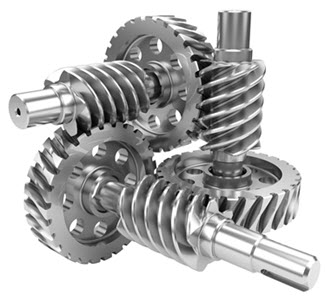
How do you ensure proper alignment when connecting a worm gear?
Ensuring proper alignment when connecting a worm gear is crucial for the smooth and efficient operation of the gear system. Here’s a detailed explanation of the steps involved in achieving proper alignment:
- Pre-alignment preparation: Before connecting the worm gear, it is essential to prepare the components for alignment. This includes cleaning the mating surfaces of the gear and shaft, removing any debris or contaminants, and inspecting for any signs of damage or wear that could affect the alignment process.
- Measurement and analysis: Accurate measurement and analysis of the gear and shaft alignment are essential for achieving proper alignment. This typically involves using precision alignment tools such as dial indicators, laser alignment systems, or optical alignment instruments. These tools help measure the relative positions and angles of the gear and shaft and identify any misalignment.
- Adjustment of mounting surfaces: Based on the measurement results, adjustments may be required to align the mounting surfaces of the gear and shaft. This can involve shimming or machining the mounting surfaces to achieve the desired alignment. Care should be taken to ensure that the adjustments are made evenly and symmetrically to maintain the integrity of the gear system.
- Alignment correction: Once the mounting surfaces are prepared, the gear and shaft can be connected. During this process, it is important to carefully align the gear and shaft to minimize misalignment. This can be done by observing the alignment readings and making incremental adjustments as necessary. The specific adjustment method may vary depending on the type of coupling used to connect the gear and shaft (e.g., keyway, spline, or flange coupling).
- Verification and final adjustment: After connecting the gear and shaft, it is crucial to verify the alignment once again. This involves re-measuring the alignment using the alignment tools to ensure that the desired alignment specifications have been achieved. If any deviations are detected, final adjustments can be made to fine-tune the alignment until the desired readings are obtained.
- Secure fastening: Once the proper alignment is achieved, the gear and shaft should be securely fastened using appropriate fasteners and tightening procedures. It is important to follow the manufacturer’s recommendations for torque values and tightening sequences to ensure proper clamping force and prevent any loosening or slippage.
It is worth noting that the alignment process may vary depending on the specific gear system, coupling type, and alignment tools available. Additionally, it is important to refer to the manufacturer’s guidelines and specifications for the particular gear and coupling being used, as they may provide specific instructions or requirements for alignment.
Proper alignment should not be considered a one-time task but an ongoing maintenance practice. Regular inspections and realignment checks should be performed periodically or whenever there are indications of misalignment, such as abnormal noise, vibration, or accelerated wear. By ensuring proper alignment during the initial connection and maintaining it throughout the gear’s operational life, the gear system can operate optimally, minimize wear, and extend its service life.
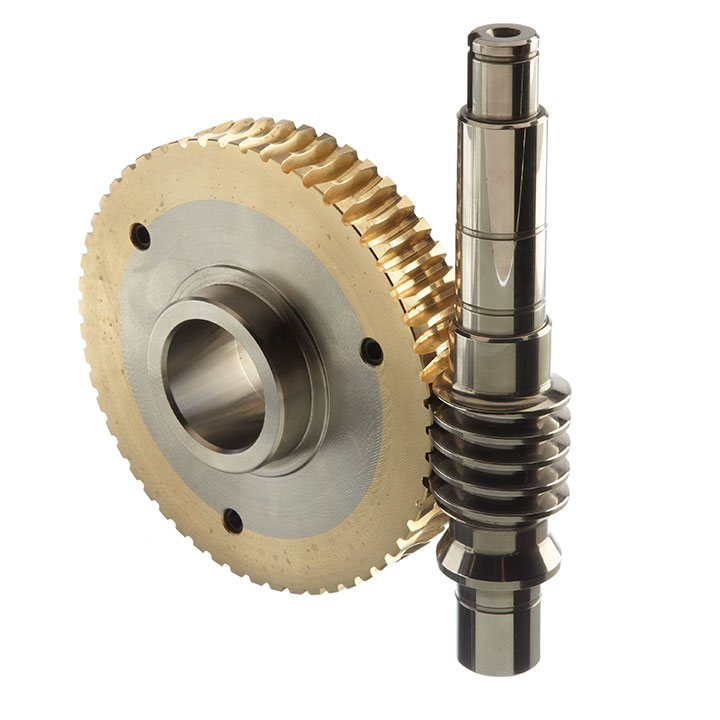
¿Cómo se calcula la relación de transmisión de un engranaje helicoidal?
Para calcular la relación de transmisión de un engranaje helicoidal, es necesario determinar el número de dientes de la rueda helicoidal y el diámetro primitivo tanto del tornillo sin fin como de la rueda helicoidal. A continuación, se describe el proceso paso a paso:
- Determinar el número de dientes en la rueda helicoidal (Zrueda helicoidalEsta información generalmente se puede obtener de las especificaciones del engranaje o contando físicamente los dientes.
- Mida o determine el diámetro primitivo del tornillo sin fin (Dgusano) y la rueda helicoidal (Drueda helicoidal). El diámetro primitivo es el diámetro del círculo de referencia que corresponde al paso del engranaje. Se puede medir directamente o calcular utilizando la fórmula: Dpaso = (Z / P), donde Z es el número de dientes y P es el paso circular (la distancia entre puntos correspondientes en dientes adyacentes).
- Calcula la relación de transmisión (GR) usando la siguiente fórmula: GR = (Zrueda helicoidal / Zgusano) * (Drueda helicoidal / Dgusano).
La relación de transmisión representa la reducción de velocidad y la multiplicación del par motor que proporciona el sistema de engranajes helicoidales. Una relación de transmisión más alta indica una mayor reducción de velocidad y un mayor par motor, mientras que una relación de transmisión más baja resulta en una menor reducción de velocidad y un menor par motor.
Cabe destacar que, en los sistemas de engranajes helicoidales, la relación de transmisión también se ve influenciada por el ángulo de hélice y el ángulo de avance del tornillo sin fin. Estos ángulos determinan la velocidad de rotación y el desplazamiento axial por revolución del tornillo sin fin. Por lo tanto, al seleccionar un engranaje helicoidal, es importante considerar no solo la relación de transmisión, sino también los parámetros de diseño específicos y las características de rendimiento del tornillo sin fin y la rueda helicoidal.


editor by CX 2024-04-08