Descrição do produto
Redutor de rosca da série SWL, fabricado com habilidade:
1. Fácil de ajustar
2. Ampla gama de proporções
3. Fácil de instalar
4. Alto torque
Indústrias de aplicação:
Nossos macacos de parafuso da série SWL são amplamente utilizados em setores como metalurgia, mineração, içamento e transporte, energia elétrica, fontes de energia, construção civil e materiais de construção, indústria leve e transporte.
Parâmetros do produto
|
Tipo |
Modelo |
tamanho da rosca |
Máximo |
Máximo |
Peso sem acidente vascular cerebral |
Peso do parafuso |
|
SWL Macaco de parafuso |
SWL2.5 |
Tr30*6 |
25 |
25 |
7.3 |
0.45 |
|
SWL5 |
Tr40*7 |
50 |
50 |
16.2 |
0.82 |
|
|
SWL10/15 |
Tr58*12 |
100/150 |
99 |
25 |
1.67 |
|
|
SWL20 |
Tr65*12 |
200 |
166 |
36 |
2.15 |
|
|
SWL25 |
Tr90*16 |
250 |
250 |
70.5 |
4.15 |
|
|
SWL35 |
Tr100*18 |
350 |
350 |
87 |
5.20 |
|
|
SWL50 |
Tr120*20 |
500 |
500 |
420 |
7.45 |
|
|
SWL100 |
Tr160*23 |
1000 |
1000 |
1571 |
13.6 |
|
|
SWL120 |
Tr180*25 |
1200 |
1200 |
1350 |
17.3 |
|
1. Estrutura compacta, tamanho reduzido. Fácil montagem, diversos tipos. Pode ser aplicado em uma ou várias unidades. |
||||
|
2. Alta confiabilidade. Longa vida útil; Com função de ascensão, descida, propulsão e tombamento. |
||||
|
3. Ampla gama de aplicações. Pode ser acionado por motor elétrico e por força manual. |
||||
|
4. Geralmente é utilizado em situações de baixa velocidade, sendo amplamente utilizado nos campos de |
Fotos detalhadas
ESPECIFICAÇÕES DO PRODUTO
Série SWL
O elevador de parafuso sem-fim da série Swl é um tipo de componente básico de elevação que pode levantar, abaixar, impulsionar, girar e realizar outras funções através do parafuso de acionamento sem-fim.
O macaco de parafuso pode ser amplamente utilizado em diversas indústrias, como as de máquinas, metalurgia, construção civil, química, médica, cultural e de saúde, entre outras. De acordo com um procedimento específico, é possível controlar com precisão o ajuste da altura de elevação ou propulsão, podendo ser acionado diretamente por motor ou outra fonte de energia, ou ainda manualmente. Esta série de elevadores de parafuso sem-fim possui sistema de travamento automático, com capacidade de carga variando de 2,5 a 120 toneladas, velocidade máxima de entrada de 1500 rpm e velocidade máxima de elevação de 2,7 m/min.
Características:
1. Adequado para cargas pesadas, baixa velocidade e baixa frequência;
2. Componentes principais: par de parafusos trapezoidais de precisão e par de engrenagens helicoidais de alta precisão.
3. Design compacto, pequeno volume, leve, ampla gama de fontes de acionamento, baixo ruído, fácil operação, conveniente
manutenção.
4. O parafuso trapezoidal possui função de travamento automático, podendo suportar a carga sem a necessidade de um dispositivo de frenagem quando o parafuso para de se mover.
5. A altura de elevação pode ser ajustada de acordo com as necessidades do cliente.
6. Amplamente utilizado em indústrias como a de máquinas, metalurgia, construção e equipamentos hidráulicos.
7. Extremidade superior: placa superior, extremidade com olhal, extremidade roscada, extremidade lisa, cabeça bifurcada e extremidade com haste.
|
1. haste helicoidal |
2. parafuso de porca |
3. capa |
4. Retentor de óleo tipo esqueleto |
5. Rolamento |
|
6. Engrenagem sem-fim |
7. Orifício de enchimento de óleo |
8.Caso |
9. Retentor de óleo tipo esqueleto |
10. Capa |
|
11. porca parafuso |
12. Rolamento |
13. Retentor de óleo tipo esqueleto |
14. Rolamento |
15.verme |
|
16. Tecla plana |
17. Rolamento |
18. Retentor de óleo tipo esqueleto |
19. Capa |
20. Parafuso de porca |
Descrição do produto
|
MODELO |
|
SWL2.5 |
SWL5 |
SWL10 |
SWL15 |
SWL20 |
SWL25 |
SWL35 |
|
Força máxima de elevação (kN) |
|
25 |
50 |
100 |
150 |
200 |
250 |
350 |
|
tamanho da rosca |
|
Tr30*6 |
Tr40*7 |
Tr58*12 |
Tr58*12 |
Tr65*12 |
Tr90*16 |
Tr100*20 |
|
Tensão máxima (kN) |
|
25 |
50 |
99 |
166 |
250 |
350 |
|
|
Relação de engrenagem sem-fim (mm) |
P |
1/6 |
1/8 |
3/23 |
1/8 |
3/32 |
3/32 |
|
|
|
M |
1/24 |
1/24 |
1/24 |
1/24 |
1/32 |
1/32 |
|
|
Curso sem rotação da rosca (mm) |
P |
1.0 |
0.875 |
1.565 |
1.56 |
1.5 |
1.875 |
|
|
M |
0.250 |
0.292 |
0.5 |
0.5 |
0.5 |
0.625 |
||
|
Alongamento máximo da haste roscada sob carga de tração (mm) |
|
1500 |
2000 |
2500 |
3000 |
3500 |
4000 |
|
|
Altura máxima de elevação com carga de pressão máxima (mm) |
A cabeça da haste roscada não está guiada. |
250 |
385 |
500 |
400 |
490 |
850 |
820 |
|
guia da cabeça do fuso de esferas |
400 |
770 |
1000 |
800 |
980 |
1700 |
1640 |
|
|
Torque do parafuso sem-fim em plena carga (Nm) |
P |
18 |
39.5 |
119 |
179 |
240 |
366 |
464 |
|
M |
8.86 |
19.8 |
60 |
90 |
122 |
217 |
253 |
|
|
eficiência(%) |
P |
22 |
23 |
20.5 |
|
19.5 |
16 |
18 |
|
M |
11 |
11.5 |
13 |
|
12.8 |
9 |
11 |
|
|
Peso sem derrubá-lo (kg) |
|
7.3 |
16.2 |
25 |
|
36 |
70.5 |
87 |
|
Peso da haste roscada por 100 mm (kg) |
|
0.45 |
0.82 |
1.67 |
|
2.15 |
4.15 |
5.20 |
Dimensões de montagem do macaco de parafuso com engrenagem helicoidal SWL
| Padrão ou não padrão: | Não padronizado |
|---|---|
| Aplicativo: | Máquinas têxteis, Máquinas para confecção de vestuário, Equipamentos de transporte, Carros elétricos, Motocicletas, Máquinas para a indústria alimentícia, Equipamentos marítimos, Equipamentos de mineração, Máquinas agrícolas, Automóveis, Transmissão de energia |
| Velocidade de entrada: | 8-360 rpm |
| Material da engrenagem: | Aço de baixo carbono e alta liga |
| Configuração da engrenagem: | Minhoca |
| Posição de montagem: | Horizontal (montagem com pés) ou vertical (montagem com flange) |
| Exemplos: |
US$ 50/Peça
1 unidade (pedido mínimo) | |
|---|
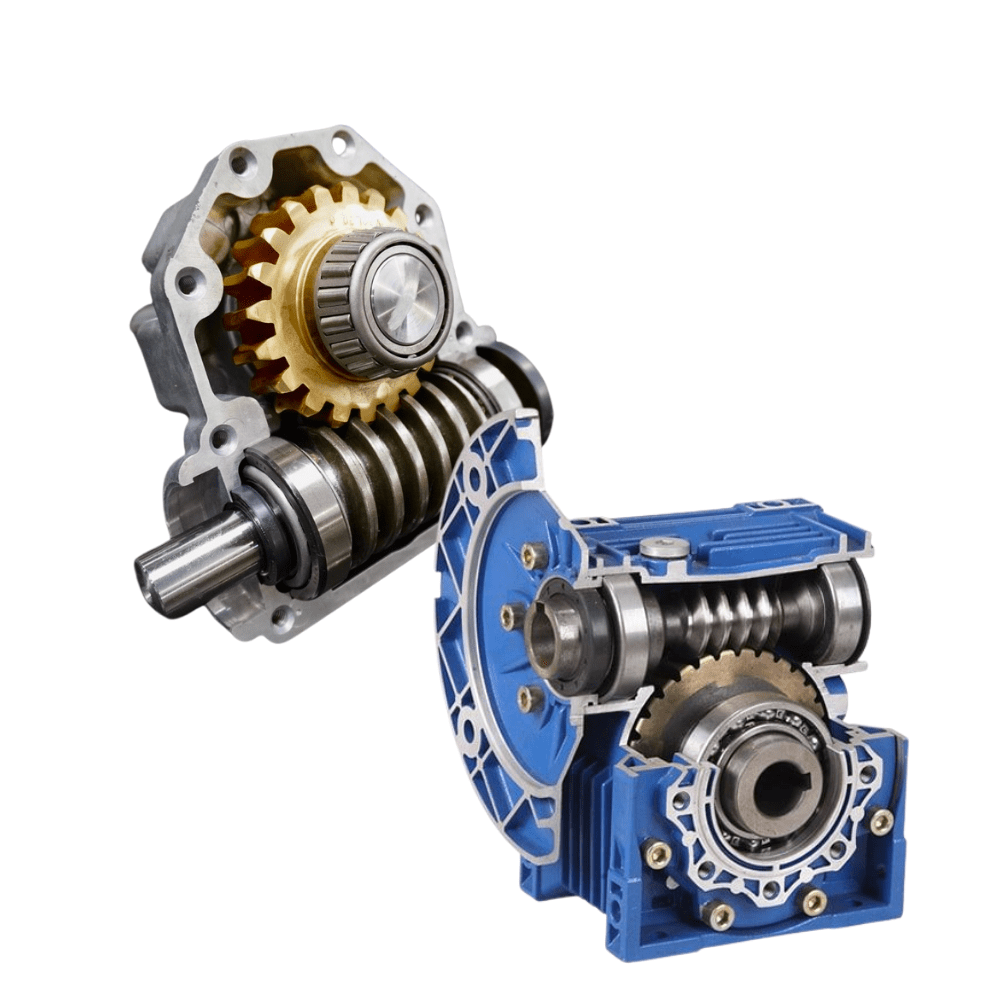
Quais são as vantagens e desvantagens de usar uma engrenagem sem-fim?
Uma engrenagem sem-fim oferece diversas vantagens e desvantagens que devem ser consideradas ao selecioná-la para uma aplicação específica. Aqui está uma explicação detalhada das vantagens e desvantagens de usar uma engrenagem sem-fim:
Vantagens de usar uma engrenagem sem-fim:
- Alta relação de redução de engrenagem: As engrenagens helicoidais são conhecidas por suas altas relações de redução, que permitem uma significativa redução de velocidade e multiplicação de torque. Isso as torna adequadas para aplicações que exigem controle preciso de movimento e alto torque de saída.
- Design compacto: As engrenagens helicoidais possuem um design compacto, o que as torna eficientes em termos de espaço e adequadas para aplicações onde o tamanho é uma restrição. A compacidade da engrenagem helicoidal permite fácil integração em máquinas e equipamentos com espaço limitado.
- Capacidade de travamento automático: Uma das principais vantagens de uma engrenagem sem-fim é sua propriedade de travamento automático. O ângulo da rosca sem-fim impede a rotação reversa do eixo de saída, eliminando a necessidade de mecanismos de frenagem adicionais. Essa característica de travamento automático é benéfica para manter a posição e evitar o retorno em aplicações onde manter a carga no lugar é importante.
- Funcionamento silencioso: As engrenagens helicoidais normalmente operam com níveis de ruído reduzidos em comparação com outros tipos de engrenagens. O deslizamento entre o parafuso sem-fim e os dentes da coroa resulta em uma operação mais suave e silenciosa, tornando-as adequadas para aplicações onde a redução de ruído é desejada.
- Alta resistência a cargas de impacto: As engrenagens helicoidais possuem boa resistência a cargas de impacto devido ao contato deslizante entre o parafuso sem-fim e os dentes da coroa. Isso as torna adequadas para aplicações que envolvem cargas repentinas ou intermitentes, como equipamentos de elevação e içamento.
- Instalação e manutenção fáceis: As engrenagens helicoidais são relativamente fáceis de instalar e manter. Geralmente vêm como uma unidade compacta, exigindo montagem mínima. A lubrificação é crucial para o desempenho ideal e a longevidade, mas normalmente é simples e acessível.
Desvantagens do uso de uma engrenagem sem-fim:
- Menor eficiência: As engrenagens helicoidais tendem a apresentar menor eficiência mecânica em comparação com outros tipos de engrenagens. O deslizamento entre o parafuso sem-fim e os dentes da coroa gera maiores perdas por atrito, resultando em menor eficiência. No entanto, a eficiência pode ser melhorada por meio de um projeto cuidadoso, fabricação de qualidade e lubrificação adequada.
- Capacidade de velocidade limitada: As engrenagens helicoidais não são adequadas para aplicações de alta velocidade devido ao contato deslizante e ao potencial de geração de calor. Altas velocidades podem levar ao aumento do atrito, desgaste e redução da eficiência. No entanto, elas se destacam em aplicações de baixa a moderada velocidade onde é necessário um alto torque.
- Geração de calor: O deslizamento entre o parafuso sem-fim e a coroa gera atrito, o que pode resultar em aquecimento. Em aplicações de alta carga ou operação contínua, esse acúmulo de calor pode afetar a eficiência e a vida útil do sistema. Lubrificação adequada e medidas de dissipação de calor são necessárias para mitigar esse problema.
- Menos adequado para movimento bidirecional: Embora as engrenagens helicoidais ofereçam excelentes capacidades de travamento automático em uma direção, elas são menos eficientes e menos adequadas para movimento bidirecional. Inverter a direção do eixo de entrada ou de saída pode levar ao aumento do atrito, à redução da eficiência e a possíveis danos ao sistema de engrenagens.
- Menor precisão no posicionamento: As engrenagens helicoidais podem apresentar menor precisão de posicionamento em comparação com outros tipos de engrenagens, como os sistemas de engrenagens de precisão. O contato deslizante e a folga inerente nas engrenagens helicoidais podem introduzir algum grau de erro de posicionamento. No entanto, para muitas aplicações, a precisão oferecida pelas engrenagens helicoidais é suficiente.
- Potencial de desgaste e reação adversa: Com o tempo, o deslizamento em engrenagens helicoidais pode levar ao desgaste e ao desenvolvimento de folga, que é o espaço ou folga entre o parafuso sem-fim e os dentes da coroa. Inspeção regular, manutenção e lubrificação adequada são necessárias para minimizar o desgaste e reduzir a folga.
Ao considerar o uso de uma engrenagem sem-fim, é essencial avaliar os requisitos específicos da aplicação e ponderar as vantagens e desvantagens. Fatores como requisitos de torque, limitações de velocidade, estabilidade posicional, restrições de espaço e eficiência geral do sistema devem ser levados em conta para determinar se uma engrenagem sem-fim é a escolha certa.
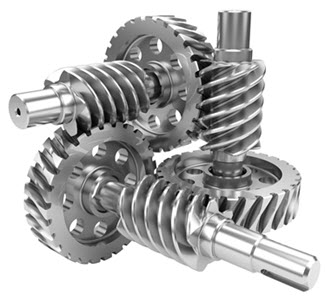
Como garantir o alinhamento correto ao conectar uma engrenagem sem-fim?
Garantir o alinhamento correto ao conectar uma engrenagem sem-fim é crucial para o funcionamento suave e eficiente do sistema de engrenagens. Aqui está uma explicação detalhada das etapas envolvidas para obter o alinhamento correto:
- Preparação pré-alinhamento: Antes de conectar a engrenagem sem-fim, é essencial preparar os componentes para o alinhamento. Isso inclui limpar as superfícies de contato da engrenagem e do eixo, remover quaisquer detritos ou contaminantes e inspecionar se há sinais de danos ou desgaste que possam afetar o processo de alinhamento.
- Medição e análise: A medição e análise precisas do alinhamento da engrenagem e do eixo são essenciais para obter o alinhamento correto. Isso geralmente envolve o uso de ferramentas de alinhamento de precisão, como relógios comparadores, sistemas de alinhamento a laser ou instrumentos de alinhamento óptico. Essas ferramentas ajudam a medir as posições e os ângulos relativos da engrenagem e do eixo e a identificar qualquer desalinhamento.
- Ajuste das superfícies de montagem: Com base nos resultados das medições, podem ser necessários ajustes para alinhar as superfícies de montagem da engrenagem e do eixo. Isso pode envolver o uso de calços ou usinagem das superfícies de montagem para obter o alinhamento desejado. Deve-se ter cuidado para garantir que os ajustes sejam feitos de maneira uniforme e simétrica, a fim de manter a integridade do sistema de engrenagens.
- Correção de alinhamento: Após a preparação das superfícies de montagem, a engrenagem e o eixo podem ser conectados. Durante esse processo, é importante alinhar cuidadosamente a engrenagem e o eixo para minimizar o desalinhamento. Isso pode ser feito observando as leituras de alinhamento e realizando ajustes incrementais conforme necessário. O método de ajuste específico pode variar dependendo do tipo de acoplamento usado para conectar a engrenagem e o eixo (por exemplo, acoplamento de chaveta, estriado ou flangeado).
- Verificação e ajuste final: Após conectar a engrenagem e o eixo, é crucial verificar o alinhamento novamente. Isso envolve medir o alinhamento novamente usando as ferramentas apropriadas para garantir que as especificações desejadas tenham sido atingidas. Se forem detectados desvios, ajustes finais podem ser feitos para refinar o alinhamento até que as leituras desejadas sejam obtidas.
- Fixação segura: Após o alinhamento correto, a engrenagem e o eixo devem ser fixados com segurança utilizando os parafusos e procedimentos de aperto apropriados. É importante seguir as recomendações do fabricante quanto aos valores de torque e sequências de aperto para garantir a força de fixação adequada e evitar qualquer afrouxamento ou deslizamento.
Vale ressaltar que o processo de alinhamento pode variar dependendo do sistema de engrenagens específico, do tipo de acoplamento e das ferramentas de alinhamento disponíveis. Além disso, é importante consultar as diretrizes e especificações do fabricante para a engrenagem e o acoplamento em uso, pois elas podem fornecer instruções ou requisitos específicos para o alinhamento.
O alinhamento correto não deve ser considerado uma tarefa pontual, mas sim uma prática de manutenção contínua. Inspeções regulares e verificações de realinhamento devem ser realizadas periodicamente ou sempre que houver indícios de desalinhamento, como ruído anormal, vibração ou desgaste acelerado. Ao garantir o alinhamento correto durante a conexão inicial e mantê-lo ao longo da vida útil da engrenagem, o sistema de engrenagens pode operar de forma otimizada, minimizar o desgaste e prolongar sua vida útil.
Como instalar um sistema de engrenagem helicoidal?
A instalação de um sistema de engrenagem helicoidal requer atenção cuidadosa para garantir o alinhamento correto, a lubrificação adequada e a fixação segura. A seguir, estão os passos gerais envolvidos na instalação de um sistema de engrenagem helicoidal:
- Prepare os componentes: Antes da instalação, certifique-se de que todos os componentes do sistema de engrenagem helicoidal, incluindo o parafuso sem-fim, a coroa, os rolamentos e a carcaça, estejam limpos e isentos de contaminantes ou danos. Inspecione os componentes em busca de sinais de desgaste ou defeitos.
- Verificar alinhamento: Verifique se as superfícies de contato do parafuso sem-fim e da coroa estão limpas e livres de quaisquer detritos. Certifique-se de que os dentes da engrenagem se encaixam corretamente e que não há folga excessiva ou desalinhamento. Faça os ajustes ou reparos necessários antes de prosseguir com a instalação.
- Aplique lubrificante: Lubrifique o sistema de engrenagem helicoidal de acordo com as recomendações do fabricante. Selecione um lubrificante adequado que proporcione lubrificação suficiente e reduza o atrito entre o parafuso sem-fim e a coroa durante a operação. Aplique o lubrificante uniformemente nos dentes da engrenagem e em outras superfícies de contato.
- Montagem: Posicione o sistema de engrenagem helicoidal no local desejado, levando em consideração quaisquer restrições de espaço ou requisitos de montagem. Utilize fixadores apropriados, como parafusos ou porcas, para prender o sistema com segurança à estrutura ou base circundante. Certifique-se de que as superfícies de montagem estejam limpas, planas e capazes de suportar as forças e cargas exercidas pelo sistema de engrenagem.
- Alinhamento e ajuste: Após a montagem do sistema de engrenagem helicoidal, verifique novamente o alinhamento e faça os ajustes necessários. Certifique-se de que a engrenagem helicoidal e a coroa estejam devidamente encaixadas e que não haja folga excessiva ou travamento. Preste atenção às tolerâncias de alinhamento especificadas pelo fabricante.
- Testes e operação: Após a instalação, realize um teste funcional completo do sistema de engrenagem helicoidal. Verifique se ele opera suavemente, sem ruídos ou vibrações incomuns. Verifique o engate correto dos dentes da engrenagem e assegure-se de que o sistema funcione conforme o esperado sob diferentes condições de carga. Monitore o desempenho do sistema durante a operação inicial e resolva quaisquer problemas ou anormalidades imediatamente.
É importante seguir as instruções de instalação específicas fornecidas pelo fabricante do sistema de engrenagens. Diferentes projetos e aplicações de engrenagens helicoidais podem ter requisitos ou considerações de instalação adicionais que devem ser levados em conta.
A instalação correta de um sistema de engrenagem helicoidal garante seu funcionamento confiável, minimiza o desgaste e maximiza sua vida útil. Caso tenha dúvidas sobre qualquer aspecto do processo de instalação, recomenda-se consultar o fabricante ou buscar a ajuda de um profissional qualificado.


Editor por CX 2023-09-09