وصف المنتج
Our advantage:
*Specialization in CNC formulations of high precision and quality
*Independent quality control department
*Control plan and process flow sheet for each batch
*Quality control in all whole production
*Meeting demands even for very small quantities or single units
*Short delivery times
*Online orders and production progress monitoring
*Excellent price-quality ratio
*Absolute confidentiality
*Various materials (stainless steel, iron, brass, aluminum, titanium, special steels, industrial plastics)
*Manufacturing of complex components of 1 – 1000mm.
Production machine:
| Specification | مادة | صلابة |
| Z13 | فُولاَذ | HRC35-40 |
| Z16 | فُولاَذ | HRC35-40 |
| Z18 | فُولاَذ | HRC35-40 |
| Z20 | فُولاَذ | HRC35-40 |
| Z26 | فُولاَذ | HRC35-40 |
| Z28 | فُولاَذ | HRC35-40 |
| Custom dimensions according to drawings | فُولاَذ | HRC35-40 |
Production machine:
Inspection equipment :
Gear tester
| طلب: | Motor, Electric Cars, Motorcycle, Machinery, Agricultural Machinery, Car |
|---|---|
| صلابة: | سطح السن المقوى |
| Gear Position: | Internal Gear |
| Manufacturing Method: | Rolling Gear |
| Toothed Portion Shape: | Spur Gear |
| مادة: | فُولاَذ |
| التخصيص: |
متاح
| طلب مخصص |
|---|
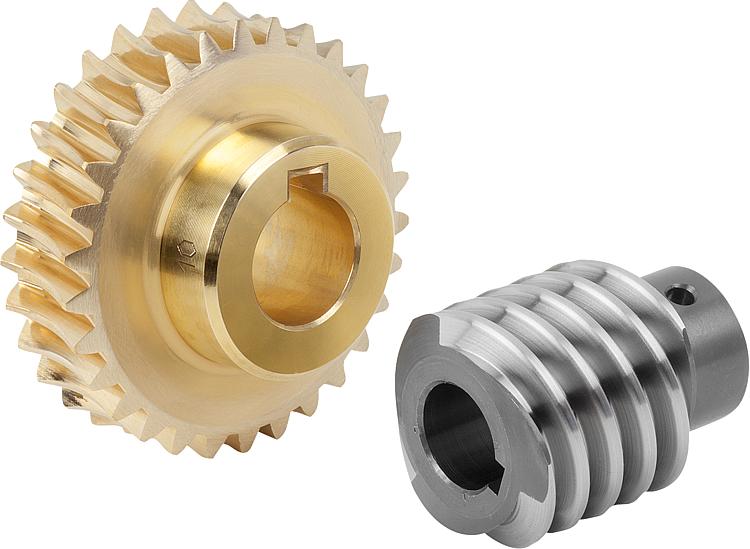
هل تُعد التروس الدودية مناسبة للتطبيقات ذات عزم الدوران العالي؟
تُعدّ التروس الدودية مناسبة تمامًا للتطبيقات التي تتطلب عزم دوران عالٍ. إليك شرح مفصل لأسباب ملاءمة التروس الدودية لهذه التطبيقات:
تُعرف التروس الدودية بقدرتها على توفير تخفيض كبير في السرعة ومضاعفة عزم الدوران. وهي تتكون من ترس أسطواني ملولب يُسمى الدودة، وعجلة مسننة تُسمى عجلة الدودة أو الترس الدودي. ويتيح التفاعل بين الدودة وعجلة الدودة نقل الحركة وعزم الدوران.
فيما يلي الأسباب التي تجعل التروس الدودية مناسبة للتطبيقات ذات عزم الدوران العالي:
- نسبة تخفيض التروس العالية: توفر التروس الدودية نسب تخفيض عالية، تتراوح عادةً من 20:1 إلى 300:1 أو حتى أعلى. تسمح نسبة التخفيض الكبيرة بتقليل سرعة الدوران بشكل ملحوظ مع مضاعفة عزم الدوران الناتج. وهذا ما يجعل التروس الدودية فعالة في التطبيقات التي تتطلب مستويات عالية من عزم الدوران.
- خاصية القفل الذاتي: تتميز التروس الدودية بخاصية القفل الذاتي الفريدة، مما يعني قدرتها على تثبيت موضعها ومنع دورانها العكسي دون الحاجة إلى آليات كبح إضافية. وتُوفر زاوية لولب الدودة ميزة ميكانيكية تُقاوم الدوران العكسي لعجلة الدودة، مما يُعزز خصائص القفل الذاتي الممتازة. هذه الخاصية تجعل التروس الدودية مثالية للتطبيقات التي يكون فيها تثبيت الحمل في مكانه أمرًا بالغ الأهمية، كما هو الحال في معدات الرفع والتحميل.
- تصميم متين وقوي: تُصنع التروس الدودية عادةً من مواد متينة، مثل الفولاذ أو البرونز، مما يوفر لها قوة عالية ومقاومة للتآكل. يُمكّنها هذا التصميم القوي من تحمل الأحمال الثقيلة ونقل عزم دوران كبير دون المساس بأدائها أو عمرها الافتراضي.
- مقاومة عالية للصدمات: تتميز التروس الدودية بمقاومة جيدة لأحمال الصدمات، وهي أحمال مفاجئة أو متقطعة تتجاوز ظروف التشغيل العادية. يسمح التلامس الانزلاقي بين الدودة وأسنان عجلة الدودة بامتصاص الصدمات إلى حد ما، مما يجعل التروس الدودية مناسبة للتطبيقات التي تنطوي على صدمات متكررة أو غير متوقعة ذات عزم دوران عالٍ.
- صغير الحجم وموفر للمساحة: تتميز التروس الدودية بتصميمها المدمج، مما يجعلها موفرة للمساحة ومناسبة للتطبيقات التي يكون فيها الحجم عاملاً مهماً. كما يتيح صغر حجمها سهولة دمجها في الآلات والمعدات، حتى في ظل وجود قيود مكانية.
من المهم مراعاة أنه على الرغم من تفوق التروس الدودية في التطبيقات التي تتطلب عزم دوران عالٍ، إلا أنها قد لا تكون مناسبة للتطبيقات عالية السرعة. إذ يُولّد الاحتكاك الناتج عن الانزلاق بين الدودة وعجلة الدودة احتكاكًا، مما قد يؤدي إلى توليد حرارة وانخفاض الكفاءة عند السرعات العالية. لذلك، يُفضّل استخدام التروس الدودية عادةً في التطبيقات منخفضة إلى متوسطة السرعة التي تتطلب عزم دوران عالٍ.
عند اختيار ترس دودي لتطبيق يتطلب عزم دوران عالٍ، من المهم مراعاة متطلبات عزم الدوران المحددة، وظروف التشغيل، وأي عوامل إضافية مثل السرعة والكفاءة وثبات الوضع. كما أن اختيار الحجم المناسب والتشحيم والصيانة الدورية أمور بالغة الأهمية لضمان الأداء الأمثل وطول العمر في التطبيقات التي تتطلب عزم دوران عالٍ.
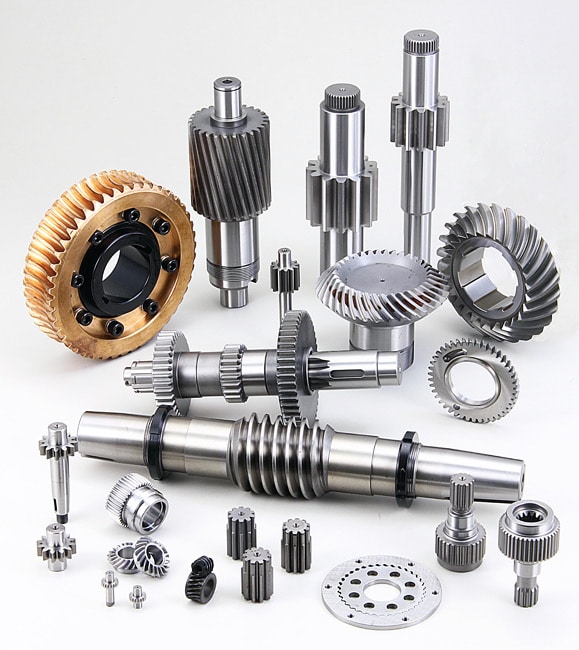
What are the potential challenges in designing and manufacturing worm gears?
Designing and manufacturing worm gears can present several challenges due to their unique characteristics and operating conditions. Here’s a detailed explanation of the potential challenges involved:
- Complex geometry: Worm gears have complex geometry with helical threads on the worm shaft and corresponding teeth on the worm wheel. Designing the precise geometry of the gear teeth, including the helix angle, lead angle, and tooth profile, requires careful analysis and calculation to ensure proper meshing and efficient power transmission.
- Gear materials and heat treatment: Selecting suitable materials for worm gears is critical to ensure strength, wear resistance, and durability. The materials must have good friction and wear properties, as well as the ability to withstand the sliding and rolling contact between the worm and the worm wheel. Additionally, heat treatment processes such as carburizing or induction hardening may be necessary to enhance the gear’s surface hardness and improve its load-carrying capacity.
- Lubrication and cooling: Worm gears operate under high contact pressures and sliding velocities, resulting in significant heat generation and lubrication challenges. Proper lubrication is crucial to reduce friction, wear, and heat buildup. Ensuring effective lubricant distribution to all contact surfaces, managing lubricant temperature, and providing adequate cooling mechanisms are important considerations in worm gear design and manufacturing.
- Backlash control: Controlling backlash, which is the clearance between the worm and the worm wheel, is crucial for precise motion control and positional accuracy. Designing the gear teeth and adjusting the clearances to minimize backlash while maintaining proper tooth engagement is a challenge that requires careful consideration of factors such as gear geometry, tolerances, and manufacturing processes.
- Manufacturing accuracy: Achieving the required manufacturing accuracy in worm gears can be challenging due to their complex geometry and tight tolerances. The accurate machining of gear teeth, maintaining proper tooth profiles, and achieving the desired surface finish require advanced machining techniques, specialized tools, and skilled operators.
- Noise and vibration: Worm gears can generate noise and vibration due to the sliding contact between the gear teeth. Designing the gear geometry, tooth profiles, and surface finishes to minimize noise and vibration is a challenge. Additionally, the selection of appropriate materials, lubrication methods, and gear housing design can help reduce noise and vibration levels.
- Efficiency and power loss: Worm gears inherently have lower efficiency compared to other types of gear systems due to the sliding contact and high gear ratios. Minimizing power loss and improving efficiency through optimized gear design, material selection, lubrication, and manufacturing accuracy is a challenge that requires careful balancing of various factors.
- Wear and fatigue: Worm gears are subjected to high contact stresses and cyclic loading, which can lead to wear, pitting, and fatigue failure. Designing the gear teeth for proper load distribution, selecting appropriate materials, and applying suitable surface treatments or coatings are essential to mitigate wear and fatigue issues.
- Cost considerations: Designing and manufacturing worm gears can be cost-intensive due to the complexity of the gear geometry, material requirements, and precision manufacturing processes. Balancing performance requirements with cost considerations is a challenge that requires careful evaluation of the gear’s intended application, performance expectations, and budget constraints.
Addressing these challenges requires a comprehensive understanding of gear design principles, manufacturing processes, material science, and lubrication technologies. Collaboration between design engineers, manufacturing experts, and material specialists is often necessary to overcome these challenges and ensure the successful design and production of high-quality worm gears.
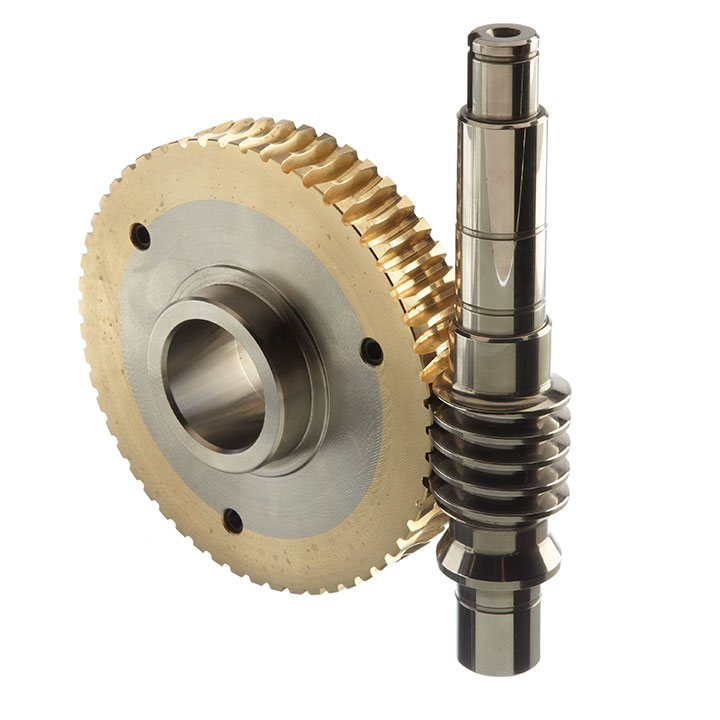
How do you calculate the gear ratio of a worm gear?
Calculating the gear ratio of a worm gear involves determining the number of teeth on the worm wheel and the pitch diameter of both the worm and worm wheel. Here’s the step-by-step process:
- Determine the number of teeth on the worm wheel (Zعجلة دودة). This information can usually be obtained from the gear specifications or by physically counting the teeth.
- Measure or determine the pitch diameter of the worm (Dدُودَة) and the worm wheel (Dعجلة دودة). The pitch diameter is the diameter of the reference circle that corresponds to the pitch of the gear. It can be measured directly or calculated using the formula: Dpitch = (Z / P), where Z is the number of teeth and P is the circular pitch (the distance between corresponding points on adjacent teeth).
- Calculate the gear ratio (GR) using the following formula: GR = (Zعجلة دودة / Zدُودَة) * (Dعجلة دودة / Dدُودَة).
The gear ratio represents the speed reduction and torque multiplication provided by the worm gear system. A higher gear ratio indicates a greater reduction in speed and higher torque output, while a lower gear ratio results in less speed reduction and lower torque output.
It’s worth noting that in worm gear systems, the gear ratio is also influenced by the helix angle and lead angle of the worm. These angles determine the rate of rotation and axial movement per revolution of the worm. Therefore, when selecting a worm gear, it’s important to consider not only the gear ratio but also the specific design parameters and performance characteristics of the worm and worm wheel.


editor by CX 2023-09-27